Call Anytime 24/7
tankless water heaters, Utah

S & B Plumbing

801-528-4999 Book Now Customer Loyalty Program
  • Plumbing
        • Commercial Drain Cleaning
        • Commercial Plumbing
        • Emergency Plumber
        • Faucet Repair
        • Garbage Disposal
        • Sink Repair
        • Toilet Repair
        • Frozen Water Line
        • Gas Line Install & Repair
        • Hose Bibbs
        • Main Water Line
        • Repiping
        • Stop and Waste Valve
        • Sump Pumps
        • Bathroom Remodeling
        • Kitchen Remodeling
        • New Construction
        • Water Leak Detection & Repair
        • Backflow Testing
  • Drain & Sewer
  • Water Heaters
    • Tankless Water Heater
  • Water Softener
    • Water Filtration System
  • Industries We Serve
    • Residential 
      • Single-Family Homes
      • Apartment Complex Plumbing
      • Condominiums And Townhouses
    • Industrial
      • Manufacturing Plants
      • Warehouses and distribution centers
      • Automotive Facilities
    • Healthcare
      • Hospitals
      • Nursing Homes And Assisted Living Facilities
      • Clinics And Outpatient Centers
      • Dental Offices
      • Medical Offices
    • Municipal and Government
      • Public Buildings
      • Libraries
      • Parks and Recreational Facilities
    • Hospitality and Entertainment
      • Hotels and Resorts
      • Theaters and Performance Venues
      • Stadiums and Arenas
      • Event Venues and Convention Centers
    • Real Estate and Property Management
      • Property Management Companies
      • Real Estate Developers
      • Rental Property Services
    • Utilities & Infrastructure
      • Water Treatment Facilities
  • About Us
    • Service Area
    • Blog
    • Reviews
    • Contact Us
    • Schedule a Plumbing Service
    • Careers
    • Customer Loyalty Program
    • Coupons
  • Recent Projects

Step-by-Step Guide: What to Do If a Pipe Bursts in Your Home

Home | Emergency Plumbing Services

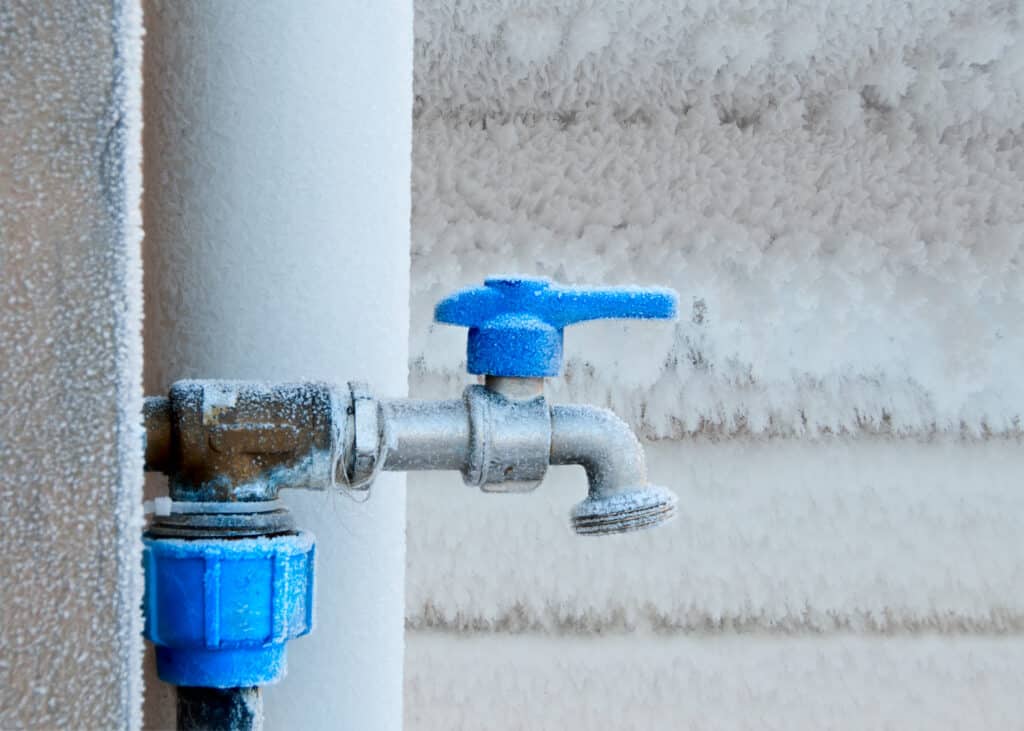
burst pipes or pipe burst

As a homeowner, hopefully, you never have to worry about a pipe burst in your home. However, it’s always a possibility, and it doesn’t hurt to be prepared. Knowing what steps you should take when you have a pipe burst in your home could mean the difference between a quick fix with minimal damage and a significant amount of water damage that could cost you thousands. So, here are the things you should know and the steps you should take if there is a pipe burst at your home.

How to Tell If a Pipe Has Burst

A pipe burst isn’t always obvious right away, but there are several warning signs homeowners can watch for. One of the most common indicators of a burst pipe is a sudden drop in water pressure. If your faucets or shower start to lose water pressure without explanation, it could mean water is escaping somewhere else in your plumbing system before it can reach your faucet or shower head.

Another major red flag is when water is visible somewhere it shouldn’t be. This could manifest as water pooling under sinks, damp spots on floors, or water stains appearing on ceilings and walls. Another thing you might notice is paint bubbling or drywall warping, all signs that water has been leaking for quite some time. In the more severe cases, a pipe burst can lead to mold and mildew growth and a musty odor.

Catching these signs early is key to minimizing damage. If you notice any of these symptoms or a combination of them, it’s important to act quickly before the pipe burst gets worse.

What to Do Immediately After a Pipe Bursts

When you identify a pipe burst in your home, jumping into action could be the difference between a small inconvenience and major water damage. The first and most important step is to immediately shut off your home’s main water supply. Doing this will stop the flow of water and prevent further flooding. Before a pipe burst starts to cause damage to your home, find where this valve is located, usually in a basement, crawl space, garage, or near the water meter, so you are able to act quickly.

The second most important step to take is to turn off the electricity if water is near outlets, appliances, or electrical panels. Water and electricity are a lethal combination; taking this step is a critical safety measure. If you’re unsure or can’t access your breaker box, avoid the area and wait for a professional.

Once you turn the water off, drain the remaining water from your plumbing system. You can do this by turning on all faucets and flushing toilets to relieve pressure in the pipes and reduce continued leaking. After doing that, shift your focus to containing the water and minimizing damage. Use towels, buckets, or even a temporary patch, like pipe tape or a clamp, if the pipe burst is visible and accessible.

If possible, try to locate the source of the pipe burst, but don’t cut open walls or attempt to make any major repairs on your own. At this point, controlling the damage should be your main priority. Lastly, call a professional plumber as soon as possible. Burst pipes more often than not require proper repair or replacement, and acting as quickly as possible can help prevent long-term issues like mold growth or structural damage.

What Causes a Pipe to Burst

Burst pipes typically occur due to pressure buildup or weakening over time. One of the most common causes is freezing temperatures. When water expands inside the pipe, when freezing, it creates just enough pressure to crack the pipe. Aging pipes also make plumbing more fragile, increasing the risk of pipe bursts. Additionally, high water pressure puts constant pressure on pipes, which leads to failure. Clogs or tree root intrusion could also cause pressure to build up, resulting in a burst pipe.

How to Prevent a Burst Pipe in the Future

If you haven’t had to experience a burst pipe in your home, you may be wondering how you could prevent one from happening. Preventing a burst pipe in your home comes down to reducing overall stress on your plumbing system.

One of the most important steps you can take is insulating exposed pipes, especially in colder areas like basements, crawl spaces, attics, or exterior walls. Insulation will stop the water from freezing and expanding inside the pipe during the freezing winter months.

You could also prevent your pipes from freezing by letting your faucets slightly drip during very cold weather. This keeps water moving through pipes, reducing pressure buildup. Keeping your home at a consistent temperature is also a big part of protecting your pipes from freezing and bursting. Taking these preventative measures can go a long way in protecting your home from a burst pipe.

Why Choose Us?

At S&B Plumbing, with over 25 years of experience, we are dedicated to taking care of your plumbing problems quickly. We understand that plumbing issues can be stressful, and attempting to get a plumber to make a one-time visit to fix the problem can feel impossible. At S&B Plumbing, we’re able to handle 90% of your plumbing problems within a single visit. If you want to learn more about our services or book an appointment, contact us today.

Filed Under: Emergency Plumbing Services

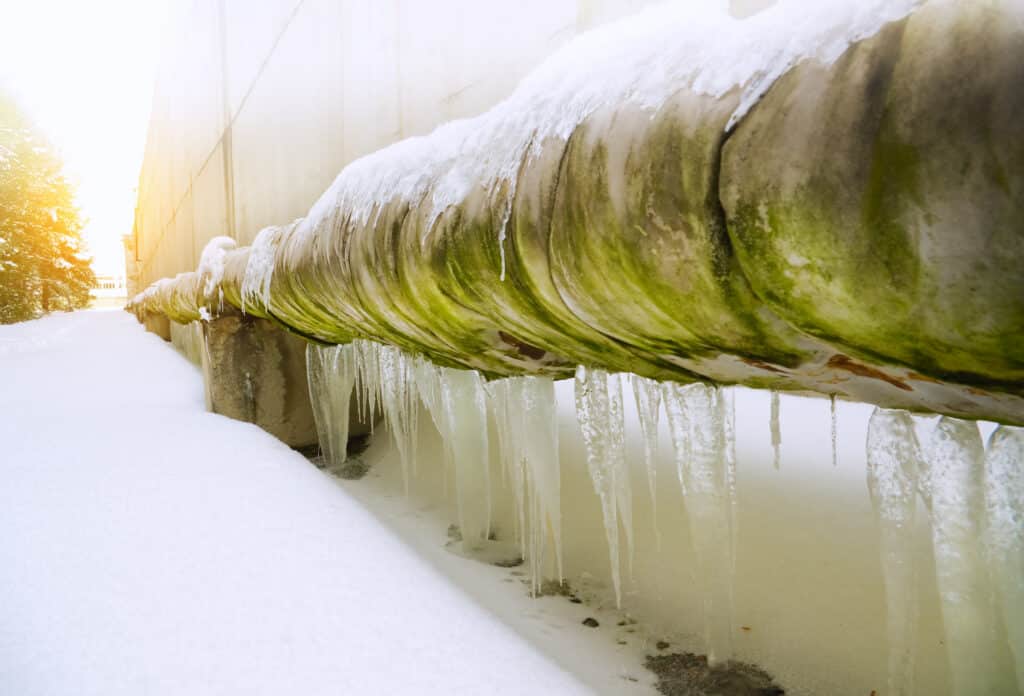
ogden utah Avoid Frozen Pipes

Winter weather can often cause frustration for homeowners. Shoveling snow, watching for flooding and leaks, and working to prevent plumbing emergencies this winter are all possible when you take the proper steps. Scheduling home maintenance and having your plumbing inspected by our experts at S&B Plumbing can prevent disasters later. This blog has gathered some common plumbing emergencies that happen in the winter and how you can avoid them or solve them after they occur.

Dealing with a lack of hot water, flooding, or sewage backup while the weather is harsh can be extremely frustrating. Let us help take care of your home with S&B Plumbings’ 24-hour emergency plumbing services.

Common Winter Emergencies

While this list may not cover all of the possible plumbing emergencies you could see, these are some of the most common ones we treat during the winter months.

  • Frozen pipes (both indoor and outdoor)
  • Clogged Drains
  • Faulty Water Heater
  • Outdoor Drain Damage
  • Sump Pump Backup
  • Flooded Basements
  • Frozen Septic Tanks

1- Make Sure Pipes Are Insulated

The easiest way to ensure that pipes don’t freeze is to make sure they are properly insulated. Indoor and outdoor pipes will both need proper insulation to avoid freezing and especially if you are away from your home for long periods during the winter. Preventing plumbing emergencies this winter can be avoided by preventing frozen pipes.

When pipes freeze, they can burst, causing more damage to your home. Let the faucet drip while you are not in your home, or have a plumber inspect your pipes to ensure they are not frozen already. 

2- Unclog Drains

Clogged drains are a common plumbing problem throughout the year, but fixing them in the winter can be even more difficult. Severely clogged drains can lead to major pipe damage, which usually needs to be dealt with by tearing up your yard or getting the pipes inside the floor or walls. This process can be messy and put you out of your normal routine. 

Homeowners often turn to commercial drain cleaning products to help their drains drain properly, but these products may not get to the root of the problem. Working with a licensed plumber to prevent plumbing emergencies this winter will save you time and money in the long run. 

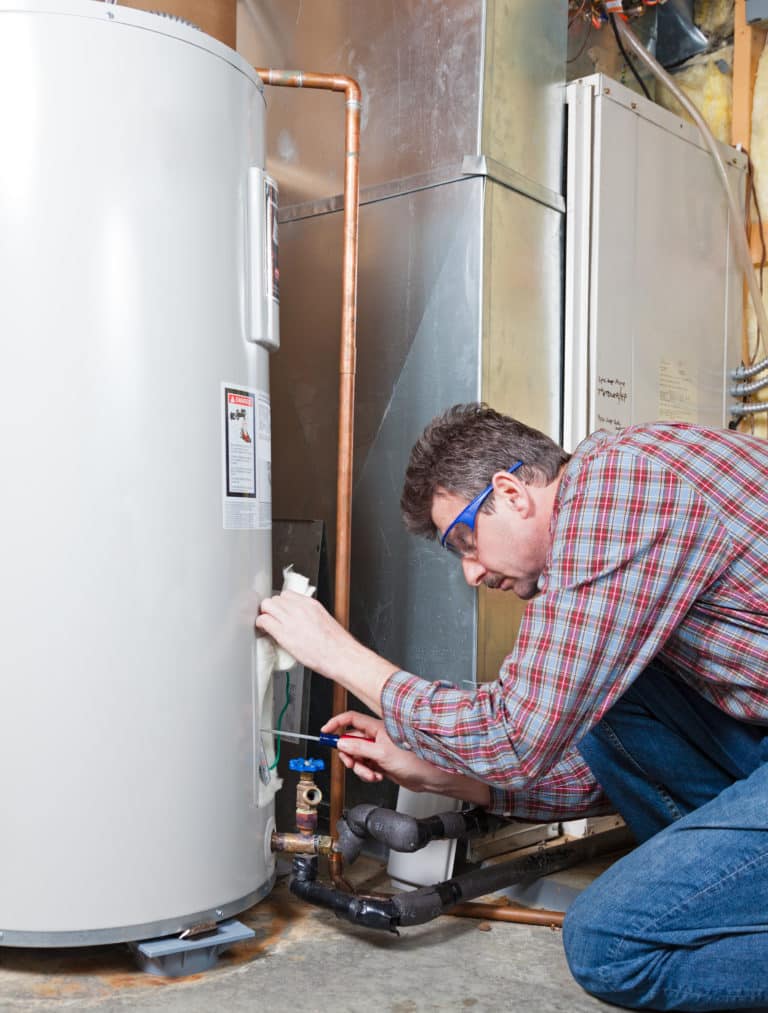
Ogden Utah water heater maintenance

3- Schedule Water Heater Maintenance

Plumbers offer water heater maintenance to ensure that it works properly, heats your water properly, and does not damage your home. Old water heaters will not provide the amount of hot water you need throughout your entire home and are prone to breaking and possible explosions. Water heater explosions can cause damage to your home and injuries to family members. Proper water heater maintenance will help keep your home comfortable and safe. 

4- Fix Existing Leaks

To prevent plumbing emergencies this winter, fix leaks before the weather gets colder. Fixing leaks sooner rather than later will also help prevent frozen pipes and flooding. Our plumbers can help you find pipe leaks in your home and take care of them before they take over your home. S&B Plumbing can help give you advice about common signs of pipe leaks or potential pipe leaks. 

5- Allow Warm Air To Circulate

For indoor pipes, allowing your hot air to reach them will prevent frozen pipes. Opening cabinets especially under the sink or in your bathrooms can help hot air circulate around the pipes and help them stay in working order. Heating your home and pipes properly will help prevent plumbing emergencies this winter. 

6- Avoid Antifreeze

If your pipes do end up freezing, homeowners may take drastic measures to salvage them. Some may assume that antifreeze can help your pipes get back to working order, but antifreeze is really harmful to the environment, humans, and animals. Putting antifreeze in your pipes can allow it to get back to our water sources, or into the soil which can damage the health of all those around us. 

7- Use A Heat Cable, Space Heater, Or Heating Pad

Frozen pipes can be remedied or helped by heating them up with household items. If you haven’t previously installed pipe insulation or a heating cable, using a space heater, hairdryer, or a heating pad around your pipes can help to unfreeze the pipe. When using heat to unfreeze the pipe, make sure to remove flammables from around the piping and take all safety precautions to prevent burns with hot metal. 

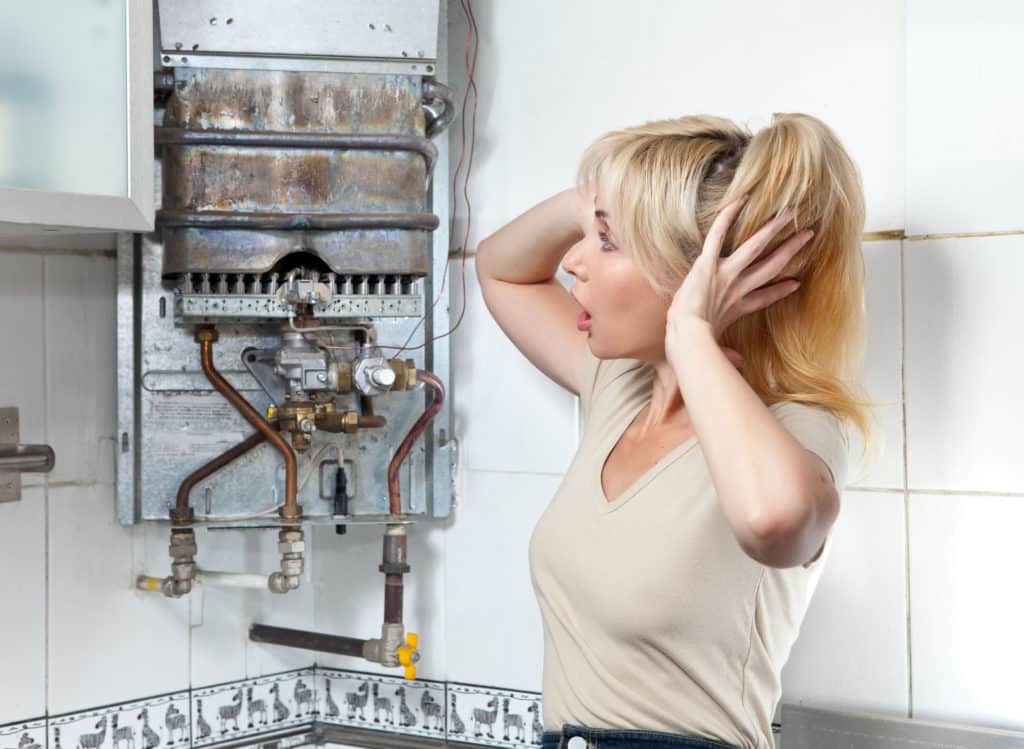
Willard Utah water heater
Prevent Plumbing Emergencies This Winter

If you have damaged frozen pipes, the best step to take is to contact a plumber to replace them. S&B Plumbing can repipe your home easily and get your home back to full function. 

Prevent Plumbing Emergencies This Winter With S&B 

Our full-service plumbers can help you prevent plumbing emergencies this winter. With 24-hour emergency services and multiple plumbing services, you can have peace of mind when it comes to your home. Plumbers can help with drain clogs, frozen pipes, sump pumps, sewer line issues, and more! Trust our local company to protect your home this winter. Contact us today!

Filed Under: Emergency Plumbing Services

It’s that time of year again. As the temperatures dip ever lower, it is vital to begin to look at preparing your home for the winter months. Preparing your pipes for cold temperatures is important to prevent significant amounts of damage from occurring to your plumbing system, including the rest of your building. Water boasts one unique property aside from most other liquids. Rather than shrinking as it freezes, water expands. If the water inside of your pipes freezes, it can cause cracks and result in a burst pipe. This crack will spew water, which can lead to structural damage, flooding, and mold growth. These problems can occur with both plastic and copper pipes, which can result in incredibly expensive and even dangerous issues to your building. If you are ever concerned that your pipes may freeze, you should contact us at S & B Plumbing.

How to Prevent Pipes from Freezing

Prevention is the superior method to take when it comes to protecting your pipes during the winter. There are many steps that you can take to prevent frozen pipes despite cold temperatures. Insulation is one of the best ways to provide your pipes with extra protection from the cold. There are alternative things that can cause a pipe to freeze, even if the temperatures aren’t necessarily “cold enough”. For example, when cool air is allowed to infiltrate through leaks, it is possible that it will accelerate the cooling process and cause the water to freeze. Sealing these leaks can help to keep your pipes from freezing.

Ensure that you disconnect all of your exterior hoses and do your best to turn off the water that reaches outdoor pipes. Opening cabinet doors will allow hot air to heat the pipes, which will go a long way toward preventing freezing. It is important to keep your thermostat at a consistent temperature, even in the evenings. Even if you are warm in your bed, your pipes may still be able to freeze. Keep in mind the pipes that are most in danger of freezing are generally those that are located in unheated interior spaces, such as basements, garages, and attics.  In particularly cold temperatures, you should allow faucets to drip as running water is less likely to freeze.

Best Pipe Insulation

frozen pipesThere are many different available materials to help you insulate your pipes. Insulation is a great step to take to protect your pipes, as it is a cost-effective way to prevent the expensive costs of freezing. Conventional foam insulation consists of a pipe shaped piece of foam that contains a slit on the side. It can easily be fitted over the pipe, though you may want to consider taking steps to seal the slit shut to optimize its insulating properties. Self-sealing foam insulation works essentially the same way, but it contains tape on each side of the slit to allow for easier sealing processes.

Spray foam insulation is ideal for tight spaces, though it is generally applied by a professional. Heat tape can be easily applied to a pipe to create a more insulated surface. Fiberglass pipe covers are more rigid forms of insulation that are great for pipes that may reach high temperatures, as fiberglass is rather heat resistant.

How Cold Does it Have to be for Pipes to Freeze?

There are many factors involved in frozen pipes, so there is no specific number that results in frozen pipes. However, most experts agree that when temperatures hit around 20°F, it is time to become concerned about your pipes freezing. Although, keep in mind that pipes that are exposed to cold breezes can freeze in temperatures higher than this. It is important to pay careful attention to particularly vulnerable pipes. These pipes include uninsulated pipes, pipes located in the outer walls of the home, pipes in the attic, basement, garage, or crawl spaces of your building, and pipes that are made of copper or galvanized steel. If you’re unsure whether your pipes are adequately protected to prevent freezing, you should have them inspected by an experienced plumber.

Thawing Frozen Pipes

You can tell when a pipe has frozen, because you won’t have water when you turn the faucet on. You need to take care when attempting to thaw a frozen pipe. If the pipe has already burst, thawing it out will result in flooding to your home. If the pipe is burst, you should turn off the water at the main shutoff valve of your building to prevent a significant escalation of damage. You should consult a plumber to learn the best steps to take when it comes to fixing a frozen pipe in your building.

If the pipe hasn’t burst, you can take careful steps to thaw it. Turn on the faucet to allow water to flow through when it has thawed. Running water will also help to thaw the frozen part faster. Then, you should apply heat to the frozen portion of pipe. This can be done using a hair dryer, hot pad, or towels with hot water. Never use an open flame to heat the pipe, as this can both damage the pipe and start a fire in the house. Call a plumber to help thaw a difficult frozen pipe. Keep heat applied to the pipe until the water pressure has been restored to normal.

Contact Us

It is important to protect your pipes in order to prevent freezing from occurring. A frozen pipe can burst and lead to flooding and expensive damage in your building. Here at S & B Plumbing, we provide a multitude of services to ensure that your plumbing system can remain in superior condition. You rely on your water to provide many functions in your building and a frozen pipe can both disrupt this, as well as cause expensive damage to your building. If mold develops in your home due to the flooding from a frozen pipe, it can create a dangerous environment for all who live within the building. To learn more about the methods that you can take to prevent a frozen pipe, as well as to obtain emergency services after a pipe has burst, contact our experts today!

Filed Under: Emergency Plumbing Services

Address & Hours

Billing Address

691 N. 2075 W. Suite A

Marriott-Slaterville, UT 84404

Utah - (801) 528-4999

[email protected]

Plumbing Services:

24/7


Office Hours:

M-TH 8am-5pm

Fri 8am-4pm

Directions

Follow Us

Contact Us

This field is for validation purposes and should be left unchanged.

2026 | S & B Plumbing | All Rights Reserved | Privacy Policy | Terms | XML Sitemap | Sitemap | Site by PDM