Call Anytime 24/7
tankless water heaters, Utah

S & B Plumbing

801-528-4999 Book Now Customer Loyalty Program
  • Plumbing
        • Commercial Drain Cleaning
        • Commercial Plumbing
        • Emergency Plumber
        • Faucet Repair
        • Garbage Disposal
        • Sink Repair
        • Toilet Repair
        • Frozen Water Line
        • Gas Line Install & Repair
        • Hose Bibbs
        • Main Water Line
        • Repiping
        • Stop and Waste Valve
        • Sump Pumps
        • Bathroom Remodeling
        • Kitchen Remodeling
        • New Construction
        • Water Leak Detection & Repair
  • Drain & Sewer
  • Water Heaters
    • Tankless Water Heater
  • Water Softener
    • Water Filtration System
  • Industries We Serve
    • Residential 
      • Single-Family Homes
      • Apartment Complex Plumbing
      • Condominiums And Townhouses
    • Industrial
      • Manufacturing Plants
      • Warehouses and distribution centers
      • Automotive Facilities
    • Healthcare
      • Hospitals
      • Nursing Homes And Assisted Living Facilities
      • Clinics And Outpatient Centers
      • Dental Offices
      • Medical Offices
    • Municipal and Government
      • Public Buildings
      • Libraries
      • Parks and Recreational Facilities
    • Hospitality and Entertainment
      • Hotels and Resorts
      • Theaters and Performance Venues
      • Stadiums and Arenas
      • Event Venues and Convention Centers
    • Real Estate and Property Management
      • Property Management Companies
      • Real Estate Developers
      • Rental Property Services
    • Utilities & Infrastructure
      • Water Treatment Facilities
  • About Us
    • Service Area
    • Blog
    • Reviews
    • Contact Us
    • Schedule a Plumbing Service
    • Careers
    • Customer Loyalty Program
    • Coupons
  • Recent Projects

Prepare for Winter Storms: An Emergency Plumbing Checklist

Home | Plumber | Page 3

Prepare for Winter Storms: An Emergency Plumbing Checklist

Winter storms can bring in more than just snow and ice — they can also cause frozen pipes, burst water lines, and unexpected plumbing emergencies. Fortunately, preparing ahead of time can save you from costly repairs and stressful situations. Use this emergency plumbing checklist to protect your home this winter. 

1. Inspect and Insulate Pipes

Check Exposed Pipes — Look for pipes in unheated areas like basements, attics, garages, and crawl spaces. 

Insulate Vulnerable Pipes — Use foam pipe insulation or heating tape to protect pipes from freezing during winter storms.  

Seal Gaps and Cracks — Ensure cold air can’t reach pipes by sealing openings near walls, ceilings, and floors. 

2. Know Your Main Water Shut-Off

Locate the Main Valve — Make sure everyone in your household knows where the main water shut-off is. 

Test It — Turn the valve off and on to ensure it works smoothly in case of an emergency. 

3. Keep Water Flowing

Trickle Taps — During winter storms or extreme cold snaps, leave faucets that are connected to vulnerable pipes slightly open. A small trickle keeps water moving and prevents freezing. 

Open Cabinet Doors — Open cabinet doors to allow warm air to circulate around pipes under sinks and appliances. 

4. Prepare for Pipe Bursts 

Emergency Tools — Keep a wrench, pipe repair clamps, and plumber’s tape handy.  

Know Emergency Contacts — Have a local plumber’s number on speed dial, especially one that offers 24/7 emergency service. 

Water Containment — Keep buckets and towels nearby to minimize water damage if a pipe bursts. 

5. Protect Outdoor Plumbing

Drain Hoses and Sprinklers — Disconnect garden hoses and drain outdoor faucets. Leaving them attached can cause the outdoor faucet and connected indoor pipe to freeze and burst. 

Shutoff Outdoor Valves — Winterize irrigation systems and outdoor faucets to prevent frozen pipes. 

Install Frost-Proof Faucets — Upgrade to frost-proof hose bibs to provide long-term protection against freezing.

Use Smart Leak Detectors — Consider installing smart water sensors, so you know when a leak happens in real time. 

winter-proof your home s&b plumbing

6. Maintain Your Home Heating

Keep the Heat On — Maintain a consistent temperature (at least 55°F) in your home, even when away. 

Consider a Smart Thermostat — A smart thermostat can alert you when the temperature in your home drops too low. 

7. Emergency Supplies Checklist

To be prepared for winter storms, make sure you have the following in an easily accessible place in your home:

  • Pipe insulation materials.
  • Wrench and pliers.
  • Towels, buckets, and waterproof tarps.
  • Plumber’s tape and pipe repair clamps.
  • Flashlight and batteries.
  • Extra blankets and portable heater (safely used).

8. Plan Ahead for Power Outages

Winter storms often cause power outages, which can affect water heaters, sump pumps, and heating systems. Make sure you:

  • Have backup power for sump pumps to prevent flooding.
  • Keep bottled water for drinking and basic hygiene in case water lines freeze or your water supply is disrupted.
  • Know manual ways to operate water valves or heaters.

9. Stay Informed

  • Monitor local weather alerts for extreme cold or winter storm warnings.
  • Follow guidance from local utilities about water safety and conservation. 

What to Do If a Pipe Bursts 

If a pipe freezes and then bursts, you should take the following steps:

  • Locate the main water shut-off valve and turn off the water to the house.
  • Open fall faucets in your home to drain any remaining water and relieve pressure in the pipes. 
  • If the leak is near electrical outlets or appliances, turn off the power to the affected area.
  • Place buckets under any remaining drips to catch water. 
  • Document the damage with photos for your insurance claim.  
  • Contact a professional plumber to perform the necessary repairs. 

To prevent freezing pipes from bursting, check for frost or condensation on pipes, listen for strange banging or gurgling sounds, note whether you smell sewage, and be aware of water pressure and whether your tap has a good water pressure and flow. 

Bonus Tip 

If you suspect a pipe is frozen, never use an open flame to thaw it. Use a hair dryer, heating pad, or warm towels. 
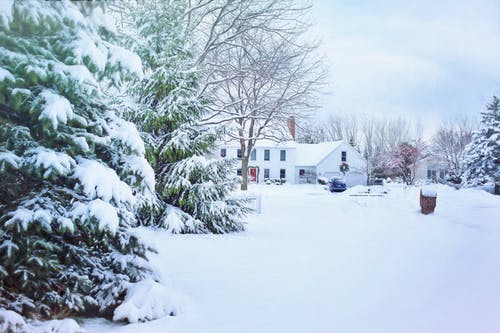
Ogden Utah frozen pipes

Be Prepared This Season for Winter Storms

Winter storms can turn a calm evening into a plumbing emergency in minutes. But if you take proactive steps, such as inspecting and insulating pipes, keeping faucets flowing, locating your main shutoff valve, and preparing emergency supplies, you can minimise the risk of frozen or burst pipes and protect your home from costly damage. A little effort before a storm hits can save you a lot of stress and expense. Stay warm, stay safe, and don’t let your plumbing worry you this winter.
Filed Under: Plumber

Kitchen Sink Leaks

A leaky kitchen sink might seem unimportant, but even a slow drip can waste water, damage cabinets, cause mold and mildew growth, and lead to costly repairs if ignored. Whether it’s a puddle under the sink or a mysterious drip from the faucet, finding and fixing leaks early can save you time and money. Here’s a simple guide to understanding, identifying, and addressing kitchen sink leaks. 

Common Causes of Kitchen Sink Leaks

Worn-Out Faucet Components — If you have a leak, your faucet is usually to blame. Over time, washers, O-rings, and seals wear down, causing drips around the handle or spout. 

Loose or Damaged Connections — Leaks often occur at the water supply lines or where pipes connect. Vibration, age, or improper installation can cause fittings to loosen over time. 

Clogged or Cracked P-Trap — The curved pipe under your sink (called the P-trap) can become loose, corrode, or develop cracks or leaks, especially if it’s made of plastic. Build-up from grease or debris can also put extra pressure on this pipe and worsen the problem. 

Faulty Sink Strainer or Drain Seal — The area where the drain connects to the kitchen sink basin can deteriorate over time. If the plumber’s putty or rubber gasket fails, you might notice water seeping around the drain area. 

Damaged sink or Countertop Caulking — Leaks can also occur when the caulking around the sink rim dries out or cracks, allowing water to seep beneath the counter surface. 

Garage Disposal Issues — Disposal seals can loosen or crack, or the unit itself may crack, leading to leaks from the bottom or sides. 

Dishwasher Connections — A loose clamp or cracked hose at the dishwasher’s drain connection can cause a leak, especially when the dishwasher is running. 

Improper Installation — Overtightening fittings or incorrect installation can crack plastic parts or create a faulty seal from the start. 

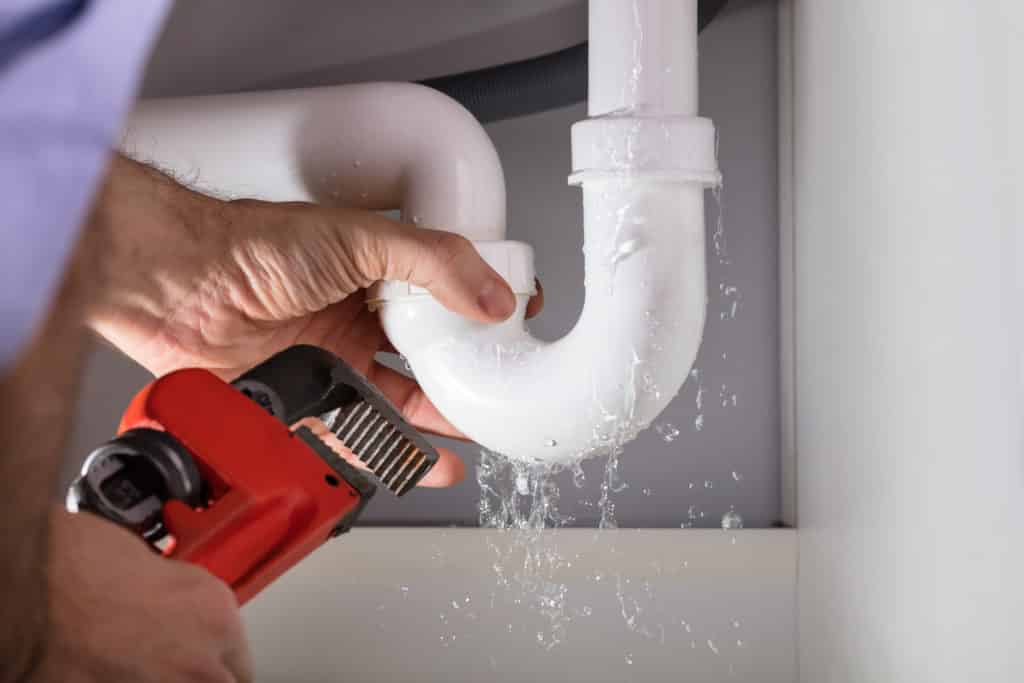
low water pressure, Ogden Utah

How to Find the Source of the Leak

Dry Everything Off — Wipe down the area under the sink and around the faucet. 

Run the Water — Turn on both hot and cold water and observe where moisture first appears. 

Check One Part at a Time — Start from the faucet, then move to the drain, pipes, and supply lines.

Use Paper Towels – Place dry paper towels or an old bath towel under suspect areas to pinpoint slow leaks. 

Simple Fixes You Can Try

Tighten Loose Connections — Using a wrench or pliers, tighten loose connections (just make sure you don’t overtighten).

Replace Worn Washers or O-Rings — If tightening doesn’t work, disconnect the pipes and check the rubber gaskets for wear and tear. Replace any that are cracked or brittle. 

Reseal the Drain or Caulking — Use plumber’s putty or silicone sealant around the underside of the sink drain’s flange or around the faucet base. 

Replace the P-Trap — If the P-trap is cracked or damaged, replace it with a newer one. 

When to Call a Professional 

The Leak Continues — If tightening connections or replacing washers doesn’t stop the leak, you may need to call a professional to find the underlying problem. 

Extensive Water Damage — Large amounts of standing water or water damage to the cabinet, subflooring, or walls require professional attention to prevent mold growth. 

Visible Pipe Damage — Cracks, severe rust, or structural wear on pipes could require professional replacement. 

Unusual Sounds or Smells — A continuous gurgling sound or sewer smells could indicate a blocked sewer line or vent. 

Multiple Leaks — If you have leaks in more than one location, it could indicate a more serious problem with the overall plumbing system. 

Lack of Experience — If you’re unsure of the problem, don’t have the right tools, or aren’t comfortable with the repair, consider calling a professional to avoid causing further damage. 

Preventing Future Leaks

Inspect Frequently — Check under the kitchen sink monthly for signs of moisture, discoloration, corrosion, or loose fittings. 

Clear Drains — Regularly clean drains to prevent clogs from putting pressure on pipes and seals. 

Avoid Overloading — Keep the cabinet under the sink clear of heavy items that could stress the plumbing. 

Use Quality Fixtures — Invest in durable, high-quality pipes, fittings, and other components to reduce the likelihood of early failure. 

Use Under-Sink Mats — Place a protective mat with a lip under the kitchen sink to contain small drips and help you see leaks. 

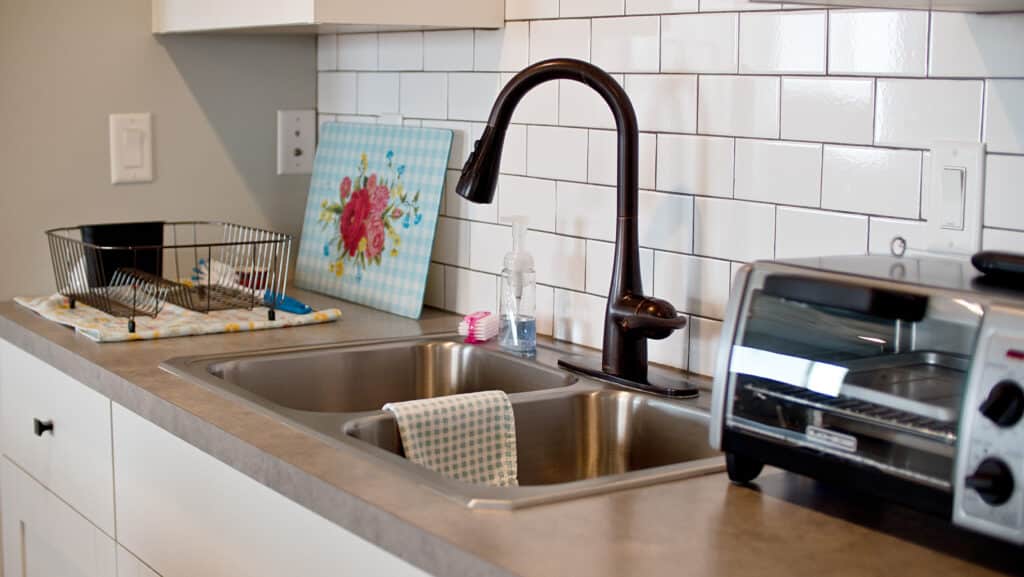
water leak detection Ogden Utah

Kitchen Sink Leaks Don’t Have to Be Complicated 

A leaking kitchen sink is more than an inconvenience — it’s an early warning sign of potential water damage. By identifying the source quickly and performing regular maintenance, you can protect your kitchen from costly repairs and keep everything flowing smoothly. And when in doubt, don’t hesitate to call a professional plumber to ensure the problem is handled the right way.

Filed Under: Plumber

Fall Plumbing Maintenance: What to Do Before Winter Arrives

As the temperatures start to drop, you should start thinking about preparing your plumbing for the colder months ahead. Taking a few preventative steps in the fall can save you from costly repairs, burst pipes, and other winter plumbing headaches. Here’s a checklist of essential plumbing maintenance tasks to get your home ready before winter arrives. 

Insulate Exposed Pipes 

Cold temperatures can cause pipes to freeze and burst, which can result in substantial water damage. Inspect areas like basements, crawl spaces, garages, attics, and any other non-heated areas of your home for exposed pipes, and wrap them with foam insulation sleeves or heat tape. This simple step can make a huge difference when it comes to protecting your plumbing system. 

Drain and Disconnect Outdoor Hoses 

If you leave hoses attached to outdoor faucets, water can get trapped inside. This moisture can freeze and expand, possibly damaging the hose and the faucet, as well as connected pipes inside your house. In the fall, disconnect all hoses, drain any remaining water, and store them in a dry area indoors. If you have frost-free spigots, make sure they’re properly turned off and drained. 

Shut Off and Drain Outdoor Water Lines

If your home has an irrigation system or outdoor plumbing lines, shut off the water supply and drain them completely. This prevents any residual water from freezing and cracking the pipes over winter. In addition, have your sewer line inspected for blockages or damage, ensuring issues don’t become worse in the winter. 

If you have a sprinkler system, you will need to “winterize” it, which typically requires a blow-out method, which is when you use compressed air to remove all remaining water. 

Check for Leaks

A small leak may not seem like a big deal now, but it could become a major issue once freezing weather sets in. Go through your home and inspect faucets, toilets, and under-sink areas for signs of moisture or drips. Fixing these early can prevent wasted water and potential ice blockages. 

Check for moisture stains, musty smells, or warped flooring, as this could indicate a hidden leak. You can also test your water meter by turning off all the water in the house, then checking the meter reading after an hour. If it changes, you likely have a leak somewhere. 

winter-proof your home s&b plumbing

Service Your Water Heater

Your water heater has to work harder in the winter to provide hot water. Schedule a maintenance check in the fall to ensure it’s running efficiently. Flush the tank to remove sediment buildup, inspect the anode rod, and adjust the thermostat to around 120 degrees for optimal performance and safety. 

If your water heater is over 10 years old, you might want to consider a replacement or upgrading to a tankless water heater. 

Clear Gutters and Downspouts

While not strictly plumbing, your home’s drainage system is connected to how well water moves away from your foundation. Clean out leaves and debris from gutters during the fall season to prevent clogs and ensure proper drainage when snow melts or it rains. 

Test Your Sump Pump

If you have a sump pump, test it by pouring a bucket of water into the pit to make sure it activates properly. This helps prevent flooding in your basement during heavy rain or snowmelt. Ensure the sump pump as well as the discharge pipe are insulated with foam, fiberglass, or a wrap. 

Seal Gaps 

In areas where pipes enter your home, gaps can develop between the walls and the pipes, allowing cold air to enter, which could cause pipes to freeze. Inspect where pipes enter your home and seal gaps with weather stripping, caulking, and insulation. 

Schedule a Professional Plumbing Inspection

Fall is a great time to have a licensed plumber perform a full inspection. They can check for hidden leaks, inspect water pressure, ensure your water heater and sump pump are functioning correctly, and recommend any necessary repairs before winter arrives. 

Bonus Tip: Know How to Shut Off Your Water 

If a pipe does burst during winter, knowing where your main water shut-off valve is and how to use it can minimize damage. Take time in the fall to make sure everyone in your household knows its location, especially before leaving town for the holidays.

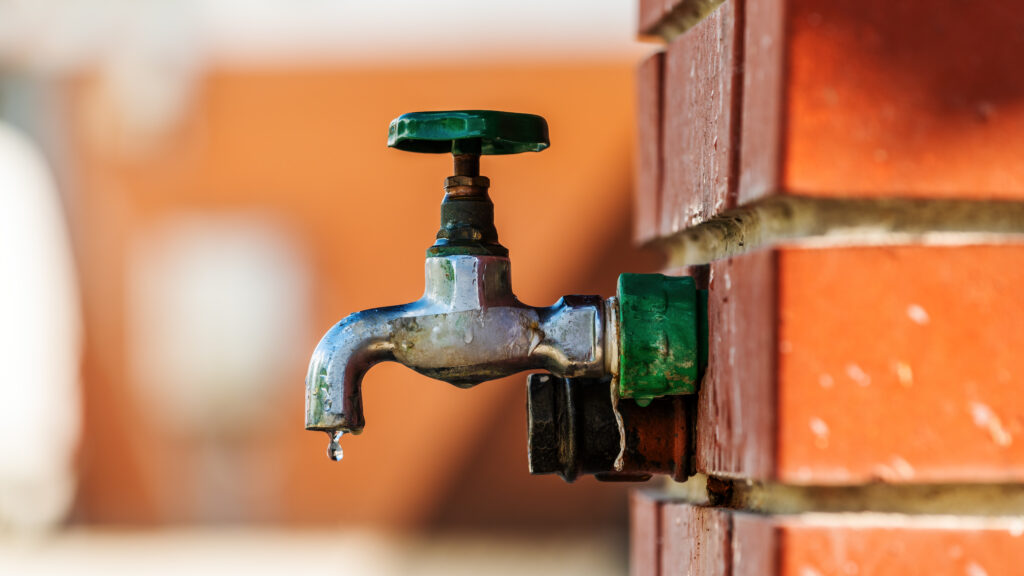
Hose bibbs 101

Prepare Your Plumbing for Winter

Prepping your plumbing system for winter might not be the most exciting fall activity, but it’s one of the most important.  A few proactive steps now can help you avoid the stress and expense of burst pipes or unexpected repairs later on. 

If you’re unsure of where to start, contact a professional plumber to handle your fall maintenance and keep your plumbing running smoothly all season long.

Filed Under: Plumber

  • « Previous Page
  • 1
  • 2
  • 3
  • 4
  • 5
  • …
  • 49
  • Next Page »

Address & Hours

Billing Address

691 N. 2075 W. Suite A

Marriott-Slaterville, UT 84404

Utah - (801) 528-4999

sbputah@gmail.com

Plumbing Services:

24/7


Office Hours:

M-TH 8am-5pm

Fri 8am-4pm

Directions

Follow Us

Contact Us

This field is for validation purposes and should be left unchanged.

2026 | S & B Plumbing | All Rights Reserved | Privacy Policy | Terms | XML Sitemap | Sitemap | Site by PDM