Flushable wipes have become a popular household product because of their convenience and the extra cleanliness they provide. However, many homeowners assume that just because a product is labeled as flushable, it is automatically safe for the plumbing system.
Though these flushable wipes seemingly go down the toilet when flushed, they build up and block the inside of pipes over time. Repeatedly flushing wipes can contribute to issues like clogged drains, sewer line problems, and costly plumbing repairs. Understanding how flushable wipes affect your plumbing can help you protect your home’s plumbing system.
What Flushable Actually Means
The term flushable can be misleading. It doesn’t necessarily mean that a product is safe for your plumbing system. Unlike toilet paper that is specifically designed to break down quickly in water, many flushable wipes are made to stay strong and intact, even after they’re flushed.
There is actually no universal standard that guarantees that flushable wipe products will safely pass through your pipes without causing issues. While the flushable wipes may disappear down the toilet, they often don’t break apart the way they should. This can lead to problems further along in your plumbing or sewer system. Understanding what flushable really means is the first step in preventing costly clogs and damage.
Flushable Wipes vs. Toilet Paper
The real difference between flushable wipes and toilet paper comes down to how they are made. Toilet paper is made from lightweight paper fibers that are made to weaken and disperse almost immediately after being submerged in water. This allows it to flow smoothly through plumbing systems, municipal sewer lines, and septic tanks without lingering.
Flushable wipes, however, are made with stronger, often synthetic fibers that are intended to maintain their structure even when wet. This added durability makes them effective for cleaning but not so much for plumbing. Instead of breaking apart in your pipes, they remain intact, increasing the likelihood of them catching on rough pipe surfaces, bends, or existing buildup.
Over time, these flushable wipes accumulate and create dense blockages that are extremely difficult to remove. In some cases, they can contribute to larger obstructions in sewer lines and septic systems. Even though they are labeled as flushable, they do pose a risk to your plumbing system.
Clogs and Blockages
Though clogs caused by flushable wipes often start small, with constant use and flushing, they can become a larger plumbing issue. Because flushable wipes stay intact, they can become easily caught in the plumbing system. As more wipes continue to be flushed and accumulate, they can create dense blockages that restrict water flow, leading to recurring clogs.
Homeowners may notice warning signs like slow drainage, gurgling sounds, frequent toilet backups, or water levels rising higher than normal after flushing. These blockages can occur within household pipes, main sewer lines, or septic systems, making them more difficult to remove than typical toilet paper clogs. When buildups become severe, professional drain cleaning may be needed to fully clear the obstruction and prevent future plumbing problems.
Long-Term Pipe Damage
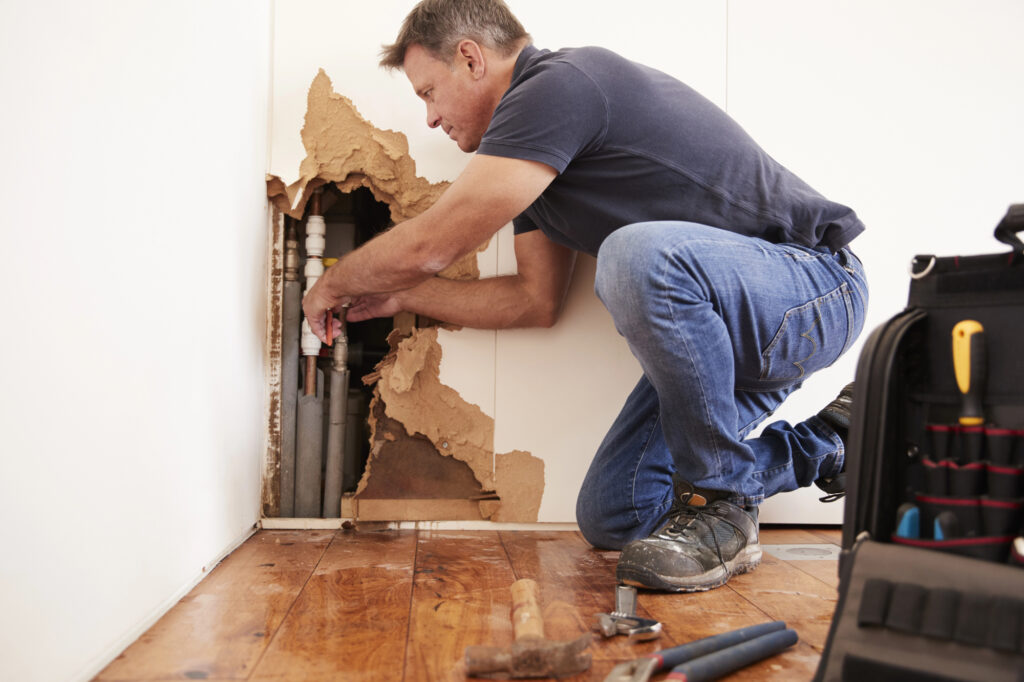
While flushing a flushable wipe once doesn’t seem like a major concern, regularly flushing wipes can contribute to long-term plumbing problems. Over time, wipes collect inside pipes and sewer lines, increasing the risk of recurring blockages and restricted water flow. These buildup issues can put additional stress on your plumbing system, leading to backups, slow drains, or more serious sewer line problems.
Older plumbing systems are especially vulnerable to repeated clogs and excess strain caused by materials that don’t break down easily. Addressing these issues early with professional plumbers can help prevent more expensive repairs and extend the life of your plumbing system.
Safer Alternatives
The best way to protect your plumbing system from flushable wipe-related issues is to avoid flushing them altogether. Even though products are labeled as flushable, they can still create problems. Instead, wipes should be disposed of in the trash, while only toilet paper should be flushed. Homeowners can also protect their plumbing system by avoiding flushing other non-degradable items, such as paper towels, tissues, and cotton feminine products.
For those who prefer the convenience of wipes, alternatives like bidet attachments or a bidet toilet seat could provide a similar outcome without putting extra strain on your pipes. If you are noticing frequent clogs, slow drains, or plumbing backups, contacting a professional plumber for drain cleaning or an inspection can help address the problem before it leads to more serious damage.
Why Choose Us?
With more than 25 years of experience, S&B Plumbing provides reliable plumbing solutions that will keep your home’s plumbing working properly. From stubborn clogs to sewer line issues, our team of professionals has the knowledge and tools needed to diagnose problems and provide effective solutions. Contact us today for more information or to schedule your service.

