
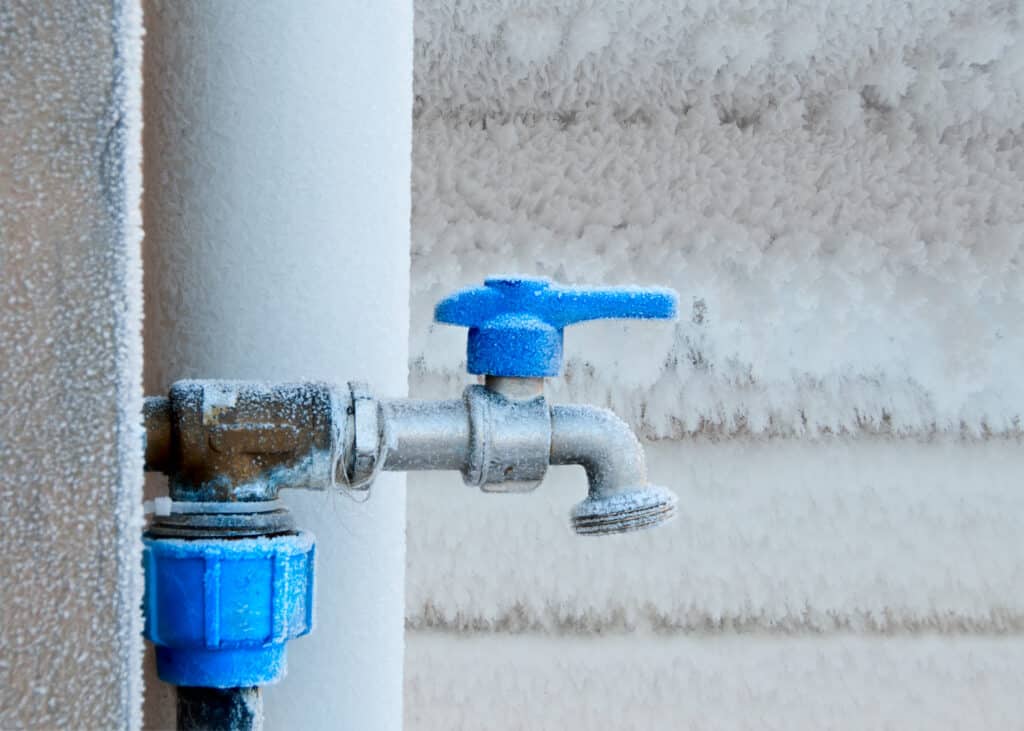
As a homeowner, hopefully, you never have to worry about a pipe burst in your home. However, it’s always a possibility, and it doesn’t hurt to be prepared. Knowing what steps you should take when you have a pipe burst in your home could mean the difference between a quick fix with minimal damage and a significant amount of water damage that could cost you thousands. So, here are the things you should know and the steps you should take if there is a pipe burst at your home.
How to Tell If a Pipe Has Burst
A pipe burst isn’t always obvious right away, but there are several warning signs homeowners can watch for. One of the most common indicators of a burst pipe is a sudden drop in water pressure. If your faucets or shower start to lose water pressure without explanation, it could mean water is escaping somewhere else in your plumbing system before it can reach your faucet or shower head.
Another major red flag is when water is visible somewhere it shouldn’t be. This could manifest as water pooling under sinks, damp spots on floors, or water stains appearing on ceilings and walls. Another thing you might notice is paint bubbling or drywall warping, all signs that water has been leaking for quite some time. In the more severe cases, a pipe burst can lead to mold and mildew growth and a musty odor.
Catching these signs early is key to minimizing damage. If you notice any of these symptoms or a combination of them, it’s important to act quickly before the pipe burst gets worse.
What to Do Immediately After a Pipe Bursts
When you identify a pipe burst in your home, jumping into action could be the difference between a small inconvenience and major water damage. The first and most important step is to immediately shut off your home’s main water supply. Doing this will stop the flow of water and prevent further flooding. Before a pipe burst starts to cause damage to your home, find where this valve is located, usually in a basement, crawl space, garage, or near the water meter, so you are able to act quickly.
The second most important step to take is to turn off the electricity if water is near outlets, appliances, or electrical panels. Water and electricity are a lethal combination; taking this step is a critical safety measure. If you’re unsure or can’t access your breaker box, avoid the area and wait for a professional.
Once you turn the water off, drain the remaining water from your plumbing system. You can do this by turning on all faucets and flushing toilets to relieve pressure in the pipes and reduce continued leaking. After doing that, shift your focus to containing the water and minimizing damage. Use towels, buckets, or even a temporary patch, like pipe tape or a clamp, if the pipe burst is visible and accessible.
If possible, try to locate the source of the pipe burst, but don’t cut open walls or attempt to make any major repairs on your own. At this point, controlling the damage should be your main priority. Lastly, call a professional plumber as soon as possible. Burst pipes more often than not require proper repair or replacement, and acting as quickly as possible can help prevent long-term issues like mold growth or structural damage.
What Causes a Pipe to Burst
Burst pipes typically occur due to pressure buildup or weakening over time. One of the most common causes is freezing temperatures. When water expands inside the pipe, when freezing, it creates just enough pressure to crack the pipe. Aging pipes also make plumbing more fragile, increasing the risk of pipe bursts. Additionally, high water pressure puts constant pressure on pipes, which leads to failure. Clogs or tree root intrusion could also cause pressure to build up, resulting in a burst pipe.
How to Prevent a Burst Pipe in the Future
If you haven’t had to experience a burst pipe in your home, you may be wondering how you could prevent one from happening. Preventing a burst pipe in your home comes down to reducing overall stress on your plumbing system.
One of the most important steps you can take is insulating exposed pipes, especially in colder areas like basements, crawl spaces, attics, or exterior walls. Insulation will stop the water from freezing and expanding inside the pipe during the freezing winter months.
You could also prevent your pipes from freezing by letting your faucets slightly drip during very cold weather. This keeps water moving through pipes, reducing pressure buildup. Keeping your home at a consistent temperature is also a big part of protecting your pipes from freezing and bursting. Taking these preventative measures can go a long way in protecting your home from a burst pipe.
Why Choose Us?
At S&B Plumbing, with over 25 years of experience, we are dedicated to taking care of your plumbing problems quickly. We understand that plumbing issues can be stressful, and attempting to get a plumber to make a one-time visit to fix the problem can feel impossible. At S&B Plumbing, we’re able to handle 90% of your plumbing problems within a single visit. If you want to learn more about our services or book an appointment, contact us today.

