
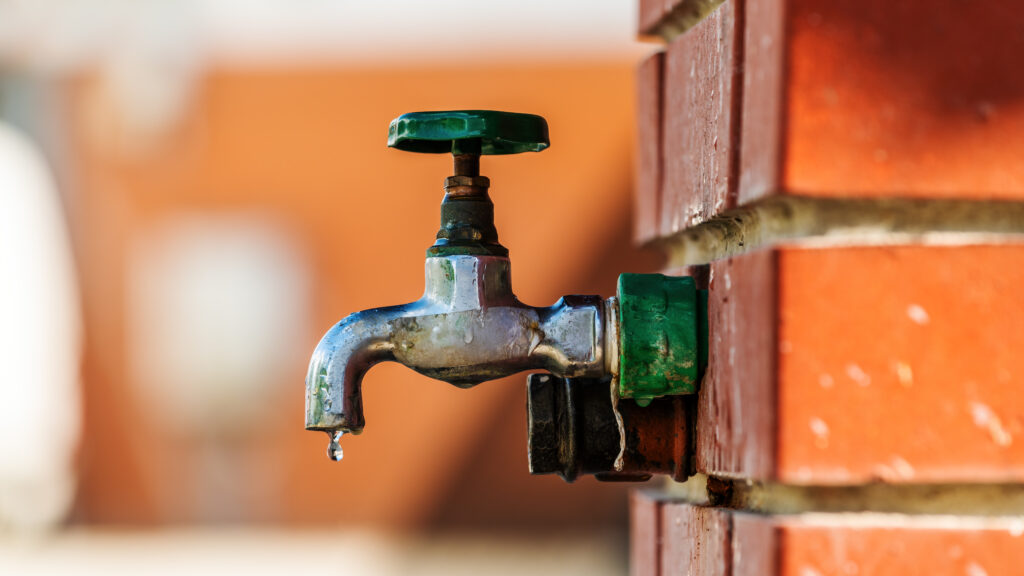
As temperatures begin to drop, homeowners often take steps to protect their home’s plumbing, prevent frozen pipes, and reduce the risk of costly water damage. However, they often overlook one area: their outdoor water faucets, also known as house bibs. Since these fixtures are exposed to cold temperatures, they can freeze when water remains inside the faucet or connected plumbing.
Winterizing hose bibs before freezing weather arrives can help protect your plumbing system, prevent leaks, and reduce the risk of unexpected repairs during the winter.
Why Is Winterizing Hose Bibs Important?
Outdoor faucets are especially vulnerable to freezing because they are often connected to pipes that run through exterior walls or unheated areas of the home. When water freezes, it expands. This expansion can create pressure inside pipes, fittings, or faucets, potentially causing them to crack or even burst.
If the damage isn’t significant, homeowners may notice until spring, when temperatures rise, the ice melts, and water leaks into walls, crawl spaces, basements, or other areas of the home.
To avoid these problems and keep plumbing in good condition, there are a few preventive steps homeowners can take.
How to Winterize Outdoor Hose Bibs
Winterizing hose bibs is a relatively simple maintenance task. Follow these steps before freezing temperatures arrive:
Disconnect Garden Hoses
Start by removing all garden hoses, splitters, spray nozzles, and other attachments from your outdoor faucets. Leaving a hose connected can trap water inside and prevent proper drainage. Even frost-free hose bibs can freeze and break if a hose remains attached during cold weather.
Disconnect hoses before the first hard freeze, drain them of water, and store them in a protected location.
Shut Off the Indoor Water Supply
Many homes have a dedicated shutoff valve for each outdoor faucet. These valves are commonly located in basements, crawl spaces, utility rooms, or near where the water line exits the house.
Turn off the water supply to the hose bib if a dedicated valve is available. If you can’t locate the valve or are unsure which one controls the outdoor faucet, consult a local plumber.
Drain the Remaining Water
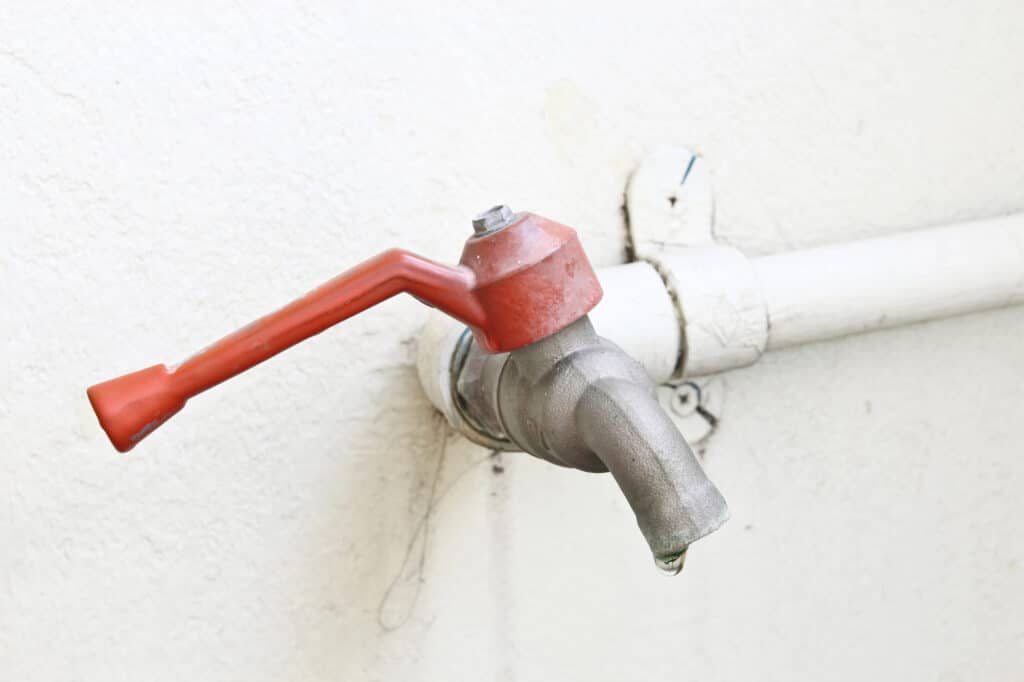
After shutting off the indoor supply, you need the remaining water to drain. Leave the hose bib open briefly to help relieve pressure and ensure the line can empty.
Some plumbing systems also have a drain cup or bleeder valve near the indoor shutoff. If yours does, follow the manufacturer’s instructions for draining the line. This typically includes opening the cap to let air into the line and manually draining the remaining water.
Note that draining procedures often vary by plumbing system. If water doesn’t drain properly, a plumber can determine whether the line needs additional protection.
Insulate the Faucet
Consider installing an insulated outdoor faucet cover over each hose bib. These inexpensive covers help reduce heat loss and protect the faucet from exposure to cold air and wind. They may be necessary for hose bibs located in areas exposed to severe weather.
However, a faucet cover doesn’t always replace shutting off and draining the water line.
Protect Nearby Pipes
Check the pipes supplying your outdoor faucets, specifically those running through crawl spaces, garages, basements, or exterior walls. Pipes that sit in unheated areas may need insulation to reduce the risk of freezing.
Seal drafts around pipe openings and foundation penetrations where cold air can enter. However, be careful not to block required ventilation openings or compromise combustion air for fuel-burning appliances.
Signs Your Outdoor Faucet May Have Frozen
Even with proper preparation, freezing temperatures may still cause plumbing issues. Watch for these warning signs:
- Little or no water coming from the faucet when you turn it on.
- Water leaking from the faucet or nearby plumbing
- Cracks or visible damage
- Water stains, dampness, or unexplained moisture inside the home
- A sudden drop in water pressure after freezing weather
If you suspect you have a frozen or damaged pipe, avoid using an open flame to thaw it. If a pipe is cracked or leaking, shut off the main water supply (if it’s safe) and contact a licensed plumber.
Protect Your Plumbing Before Winter
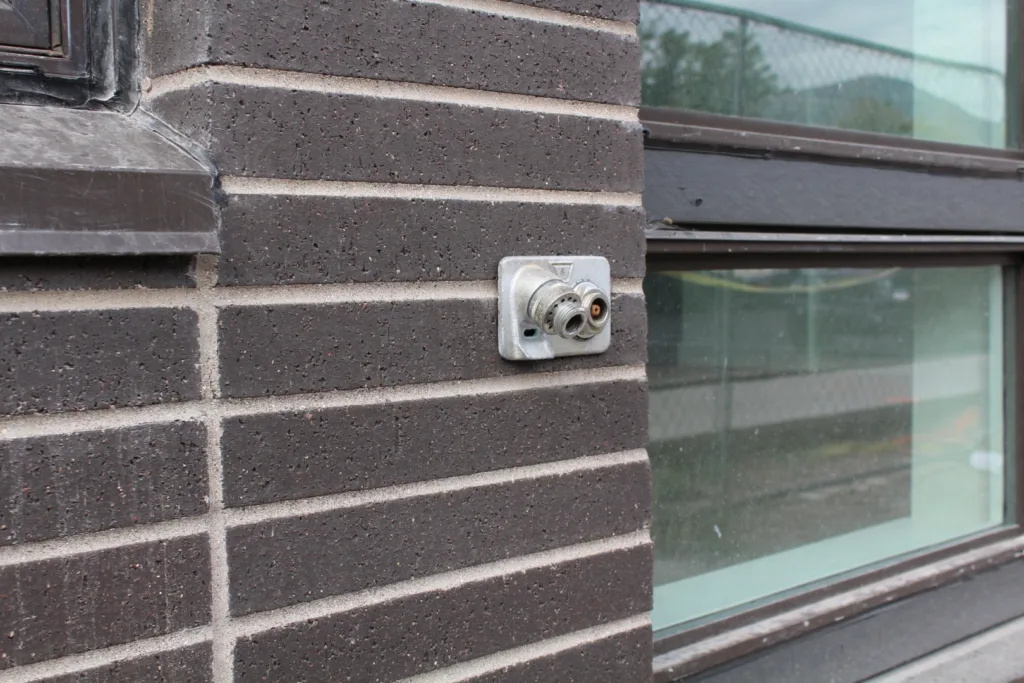
While winterizing hose bibs may seem like a small task, it can make a huge difference in preventing frozen pipes, leaks, and expensive water damage. By disconnecting hoses, shutting off and draining water lines, insulating outdoor faucets, and protecting nearby pipes, you can give yourself additional peace of mind during cold weather.
If you’re unsure how to winterize your outdoor faucets or suspect your plumbing already has freeze damage, contact S&B Plumbing. We can inspect your system and recommend or perform the appropriate preventive measures.
