
Buying a house is one of the biggest investments you’ll ever make. And while a general home inspection is a standard part of the buying process, many buyers overlook one critical system that can lead to major headaches in the future — the plumbing. While not always required, a plumbing inspection can save you thousands of dollars in unexpected repairs and give you peace of mind before signing on the dotted line.
Why Plumbing Inspections Matter
Many buyers may assume that a standard home inspection covers plumbing. While inspectors may check for visible leaks and whether fixtures are working right, they typically don’t scope sewer lines with a camera, test water heaters in detail, or check for outdated or unsafe pipe materials.
Plumbing systems run behind walls, under floors, and underground, so you may not be able to spot problems without a professional plumbing inspection. Issues such as hidden leaks, pipe corrosion, or sewer line blockages can remain undetected until they cause significant damage. An inspection helps uncover these risks early, so you know exactly what you’re buying into.
Common Problems a Plumbing Inspection Can Catch
Leaks Behind Walls or Floors — These can go undetected during a visual inspection, leading to significant water damage, warped flooring, and structural issues over time.
Leaky Fixtures — Dripping faucets and leaky toilets can waste water and indicate a more significant problem.
Old and Corroded Pipes — Many older homes have galvanized steel or cast iron pipes that can corrode, restricting water flow and potentially leading to leaks.
Pipe Blockages — Accumulated debris, grease, or tree roots can clog drains and sewer lines, causing backups and slow drainage.
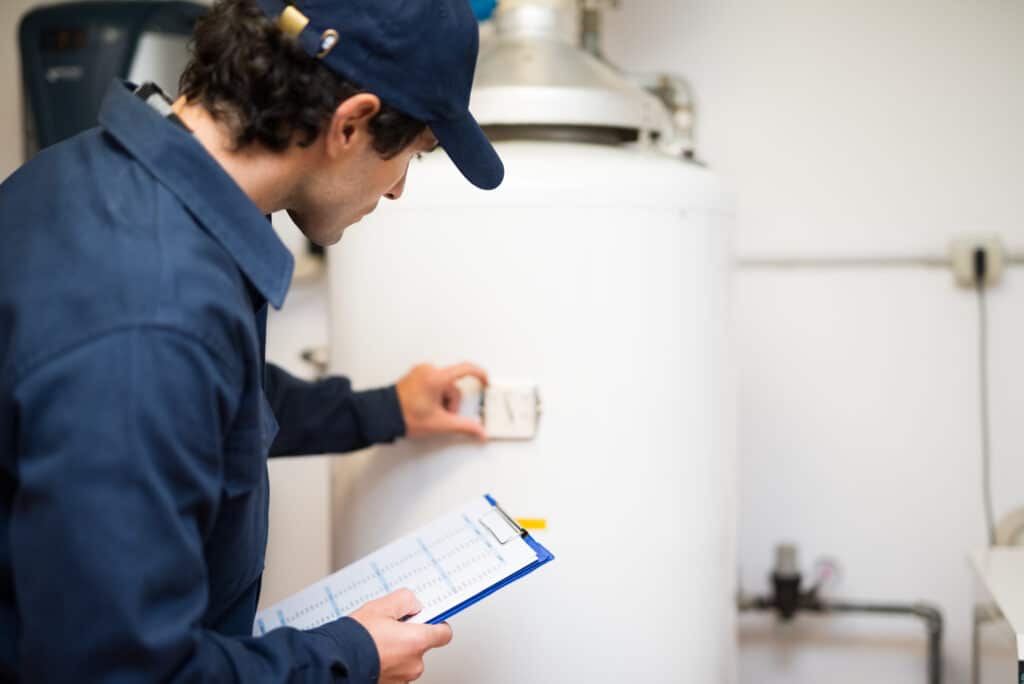
Water Heater Issues — Issues like sediment buildup, internal rust, or an improperly sized unit can reduce efficiency and lead to failure. Water heaters also have a limited lifespan, and an aging unit could cost you in the future.
Low Water Pressure — Low water pressure could be a sign of hidden leaks, blockages, pipe corrosion, or issues with the water supply.
Building Code Violations — A professional can identify incorrectly installed systems or fixtures that do not meet current code requirements.

Benefits of Getting a Plumbing Inspection
Saves You Money — Identifying issues before purchase lets you negotiate repairs or adjust your offer, saving you money in the long run.
Protects Your Investment — Avoid unexpected water damage or emergency plumbing calls after moving in, as well as the regret that can come with overlooking serious problems.
Provides Peace of Mind — Knowing your plumbing system is in good condition and working properly will give you more confidence in buying your new home, and reduce uncertainty and stress about the home’s functionality.
Gives You Negotiation Power — If issues are found, you can request repairs before the sale or request a credit toward the repair costs to lower the purchase price.
Helps You Budget for Repairs — An inspection report helps you understand the plumbing system’s condition, allowing you to budget for future repairs, upgrades, and maintenance.
When a Plumbing Inspection Is Especially Important
While it’s always a smart move, a plumbing inspection will benefit you the most if:
- The home is more than 20 years old.
- You notice signs of water damage, such as stains, musty odors, cracks in the foundation, or unexplained puddles or sunken sections in the yard.
- The property has many large trees in the yard, as they could be near sewer or water lines.
- The home has had multiple owners who may have made repairs themselves.
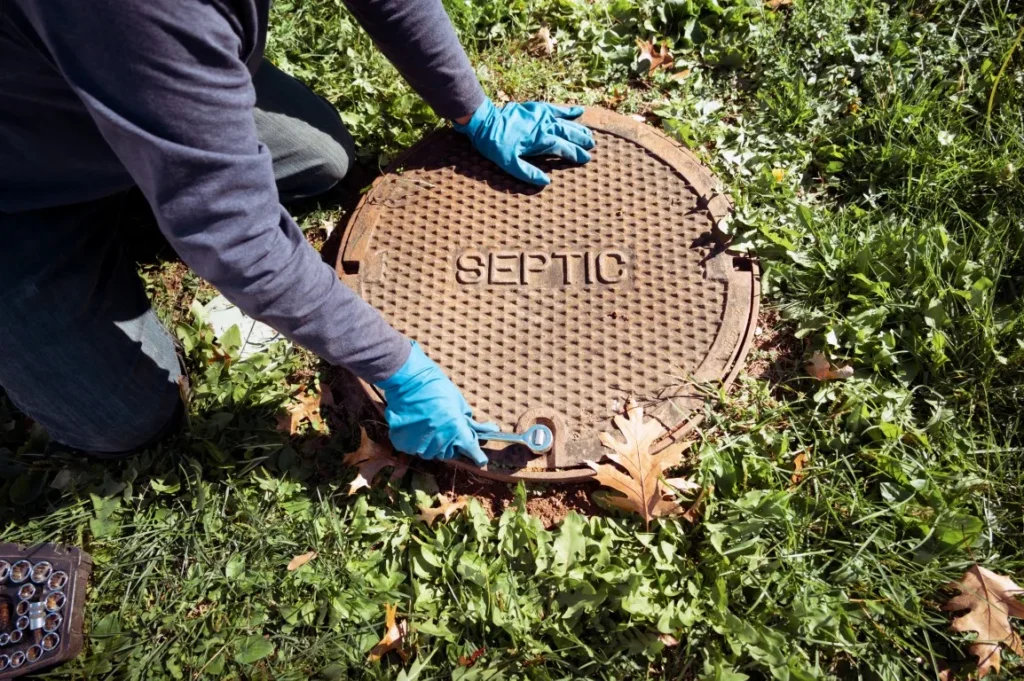
- The home has a septic system.
Tips for Keeping Your Plumbing in Good Condition
If you have just bought your first home, here are some good practices to keep your plumbing in good condition:
- Avoid flushing anything that isn’t toilet paper and waste down the toilet. This is especially important if you have a septic tank.
- Avoid pouring grease, fats, oils, egg shells, coffee grounds, and fibrous foods down the drain or into your garbage disposal.
- Avoid using store-bought chemical drain cleaners.
- Have your plumbing inspected annually by a licensed plumber.
- Insulate your pipes if you live in a cold climate.
Schedule a Plumbing Inspection Before Investing in a New Home
A home might look picture-perfect on the surface, but unseen plumbing issues can quickly turn your dream house into an expensive nightmare. Scheduling a plumbing inspection before buying may cost you more initially, but it will be worth it to avoid costly repairs down the road. If you want peace of mind and protection for your investment, a plumbing inspection is absolutely worth it.

