
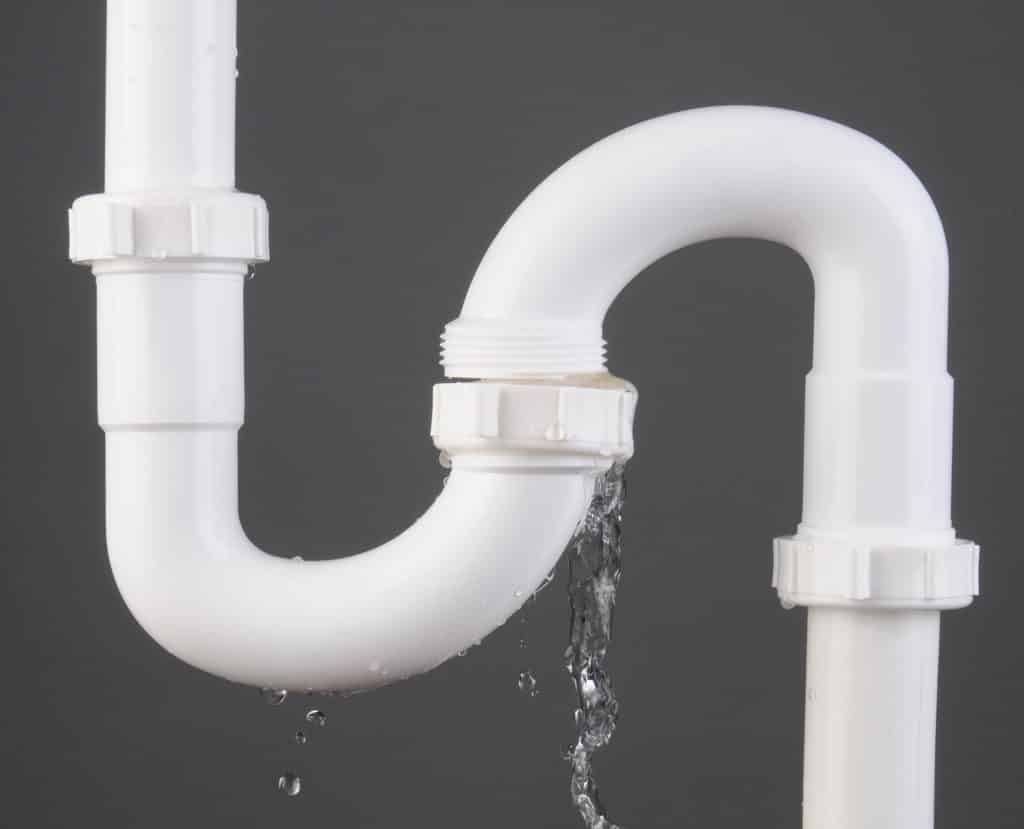
When a plumbing problem pops up, it often only needs a quick fix. However, in some cases, repeated repairs can cost more over time than replacing aging or failing plumbing components altogether. Knowing when to stop repairing and start replacing can save homeowners money, stress, and potential water damage.
Here are the key signs you should consider replacement instead of repair when it comes to your plumbing system.
1. Frequent Plumbing Repairs
If you find yourself calling a plumber every few months for leaks, clogs, or low water pressure, you may be dealing with deeper problems within your pipes, such as corrosion or material breakdown. Replacing problem sections, or even repiping, can be more cost-effective than endless service calls.
2. Old or Outdated Pipe Materials
The age and material of your plumbing matter. Many older homes still have:
Galvanized Steel Pipes — These pipes are prone to corrosion, which can lead to reduced water flow.
Polybutylene Pipes — These pipes are known to fail unexpectedly due to chemical reactions with municipal water.
Cast Iron Drain Lines — Cast iron pipes are susceptible to cracking and rust, and usually degrade over time.
If your home has outdated piping, replacement is often safer and more reliable than patching failing sections.
3. Persistent Leaks or Water Damage
A single leak can typically be repaired. But multiple leaks, water stains on walls or ceilings, warped flooring, or mold growth often indicate widespread pipe deterioration. In these cases, repairs may only delay the inevitable while replacement addresses the root cause.
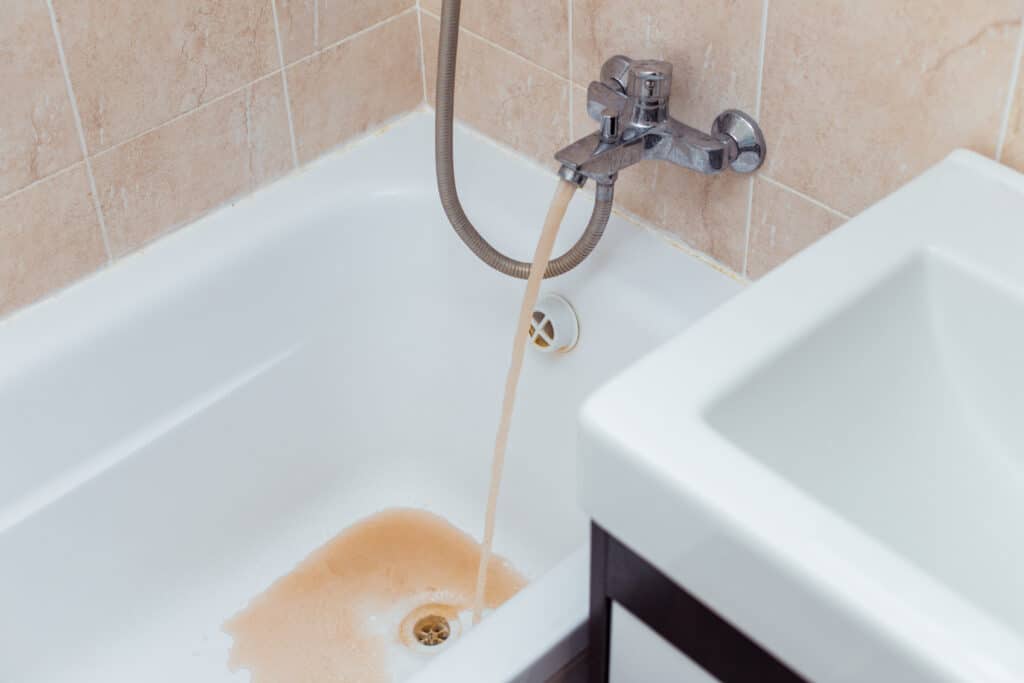
4. Discolored or Rusty Water
If you turn on your tap and see brown, yellow, or cloudy water, you could be dealing with corroded pipes. This not only affects water quality but can also lead to pipe failure. If pipe corrosion is widespread, replacement is often the best long-term solution.
5. Low or Inconsistent Water Pressure
If your water pressure keeps dropping or varies from room to room, there may be internal pipe buildup. When cleaning or repairing doesn’t restore consistent pressure, replacing the affected pipes can dramatically improve performance.
6. Recurring Sewer Line Problems
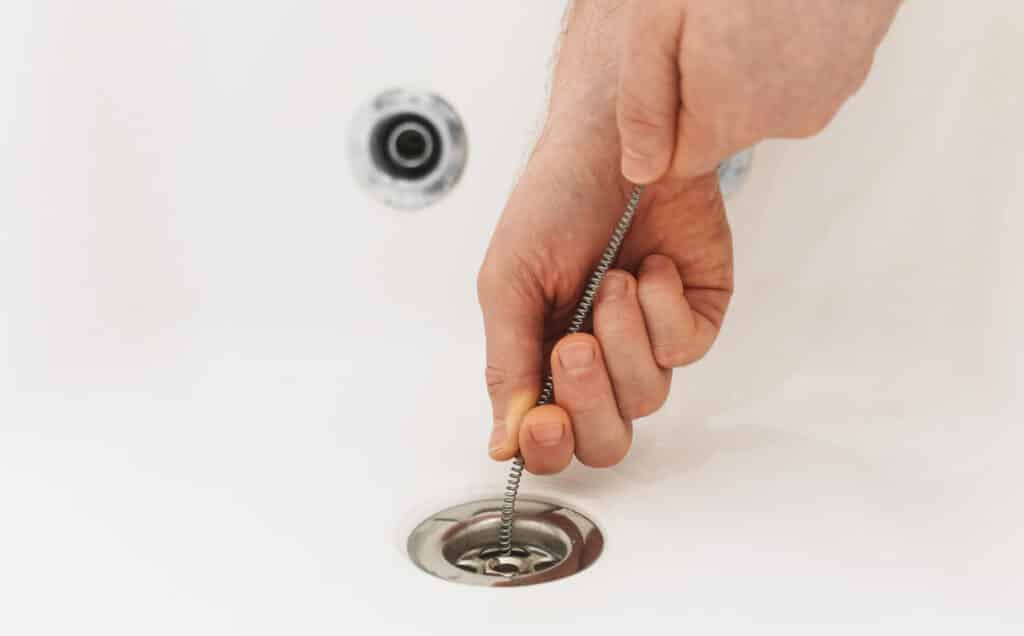
Every homeowner experiences occasional drain clogs. But frequent sewer backups, slow drains throughout the house, foul odors, or tree root intrusion often indicate a failing sewer line. In these cases, spot repairs may be enough, and full or partial replacement may be necessary to prevent widespread damage and reduce health risks.
7. Visible Corrosion or Pipe Damage
Exposed pipes showing rust, flaking, cracks, or moisture buildup are clear warning signs of plumbing failure. Once pipes start deteriorating on the outside, they often deteriorate further on the inside. Replacing damaged sections early can prevent major water damage later.
8. Plumbing System Near the End of Its Lifespan
Most plumbing systems have a limited lifespan:
Copper — 50+ years
PVC — 25 to 40 years
Galvanized Steel — 20 to 50 years
If your plumbing is approaching or past its expected lifespan, replacement can prevent sudden failures and costly emergencies.
Health and Safety Concerns of Aging Plumbing
Old or deteriorating pipes can affect your home’s water quality. Corroded pipes may introduce rust, sediment, or other harmful contaminants into your drinking water, making it unsafe to consume. Leaks can also promote mold and mildew growth, which can negatively impact indoor air quality and overall health.
How Plumbing Replacement Improves Efficiency
New plumbing materials are designed to improve water flow and reduce leaks. Replacing outdated pipes can:
- Increase water pressure
- Improve water quality
- Reduce water waste
- Lower monthly utility bills
Upgraded systems also support modern appliances and fixtures more efficiently.
Repair vs. Replace: Making the Right Choice
Repairs work well when you’re dealing with isolated, minor issues. However, if you’re experiencing frequent problems, have outdated materials, or notice widespread damage, replacement can offer improved reliability, efficiency, and peace of mind.
If you’re unsure how to fix your plumbing issue, consider scheduling a professional plumbing inspection. A plumber can help determine whether you should invest in a replacement or stick with a repair.
Even if you don’t suspect a plumbing issue, you should have your system inspected if it’s over 20 years old. Many problems can stay hidden until they become emergencies. Inspections help homeowners plan upgrades on their own timeline instead of reacting to costly failures.
The Bottom Line
While quick plumbing repairs can solve minor issues, ongoing problems often indicate something bigger. You shouldn’t ignore frequent leaks, aging pipes, poor water pressure, and recurring sewer issues. Replacing outdated or failing plumbing can improve reliability, protect your home from water damage, and save you money in the long run.

