

Have you ever stood in the plumbing aisle at the hardware store and wondered which faucet, toilet, or showerhead will fit your home? If so, you aren’t alone. The idea that plumbing fixtures are “universal” is a common misconception, and one that can lead to frustration, extra costs, and even installation headaches.
Let’s break down what is standard, what isn’t, and how to make the right choice for your home.
What Does “Universal” Really Mean?
In plumbing, “universal” typically refers to common sizing standards or compatibility guidelines. It doesn’t guarantee that every fixture will fit every setup. While many manufacturers follow industry norms, you’ll still find variations in design, spacing, and connections.
Plumbing fixtures can be compared to clothing sizes; there are general standards, but not everything fits the same way.
Plumbing Fixtures That Are Mostly Standard
Some fixtures do follow widely accepted sizing, making replacements easier.
Faucets
Most sinks feature one of these standard configurations:
Centerset — This the most common type of faucet. The handles and spout sit on a single base, and there’s typically a four-inch distance between the centers of the two outermost holes.
Widespread — This faucet type features three separate pieces (two handles and one spout) with a typical spread of eight inches.
Single-Hole — This versatile option attaches the handle to the spout, so you only need one hole to attach it to the sink or counter.
Replacing a faucet is often straightforward, as long as it matches your sink configuration.
Showerheads
Most showerheads use a ½-inch threaded connection; a standard has remained consistent for many decades. You can typically swap out a showerhead without any special tools or modifications.
Toilets
Toilets generally follow a standard rough-in size (typically 12 inches from wall to drain) and have consistent bolt spacing. As long as your rough-in measurement matches, you shouldn’t have trouble fitting a toilet.
Where “Universal” Falls Apart
Below are areas of your bathroom or kitchen where compatibility can vary significantly.
Sink and Vanity Configurations
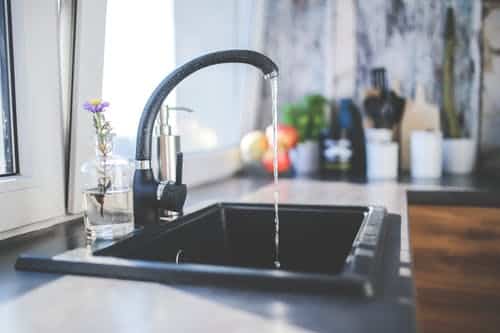
When it comes to sinks and vanities, you’ll find that the number of holes and spacing can differ, undermount vs. drop-in designs can affect installation, and cabinet size and plumbing placement can affect what brands will work best.
A new faucet won’t work if your sink doesn’t have the right hole configuration.
Bathtubs and Showers
Bathtubs and showers can have different valve types and internal plumbing depending on the brand. Wall thickness and layout can affect fit, and trim kits are often not interchangeable between manufacturers. A trim kit refers to the collection of visible, decorative plumbing parts, including the handle, showerhead, tub spout, and faceplate.
Before deciding on a new bathtub or shower, always match trim kits to the existing valve system or be prepared to replace the valve behind the wall.
Pipe Connections
Older homes may have different pipe materials (galvanized steel, copper, or PEX), thread types, and diameters. You may need to invest in adapters to connect modern fixtures to older plumbing systems.
Brand Compatibility: A Hidden Factor
Even when sizes match, different brands don’t always work well together.
For example:
- Faucet cartridges are brand-specific
- Shower valves often require matching trim from the same manufacturer
- Replacement parts may not fit across brands
Bottom Line — “Universal” rarely applies across different brands.
When “Universal” Does Apply
There are some cases where universal truly means universal. This includes showerheads, some supply lines, and basic fittings with standardized threads. However, it may be wise to still double-check to ensure everything will fit right.
Tips to Avoid Costly Mistakes
Measure Everything — Measure the sink hole spacing, toilet-rough-in, pipe diameters, and available space.
Identify Your Existing Setup — Take photos before heading to the store and note brand names or model numbers if possible.
Check Compatibility — Read product specifications carefully and look for included adapters or required parts.
When in Doubt, Ask a Professional — A licensed plumber can quickly identify compatibility issues and save you time (and money) in the long run.
Not all Plumbing Fixtures are Created Equal
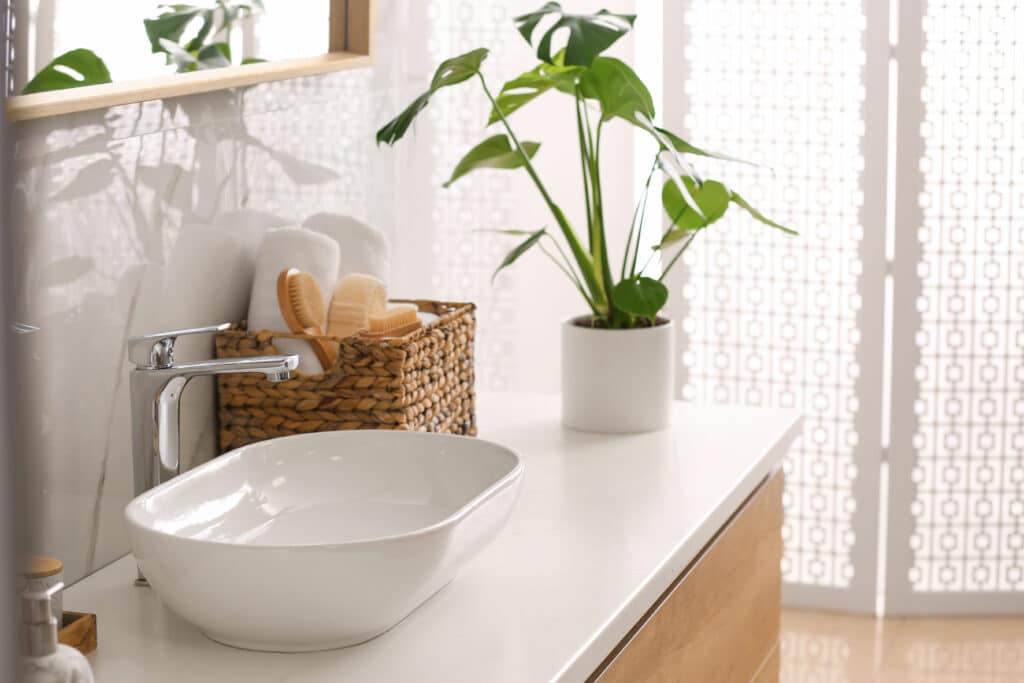
While many plumbing fixtures are designed around common standards, they aren’t truly “universal.” Small differences in sizing, configuration, and brand compatibility can make a big impact on whether a fixture will fit and function properly in your home.
Before buying any plumbing fixtures, you should take accurate measurements, figure out your existing setup, and double-check product specifications. This extra effort up front can save you from returns, rework, or unexpected expenses.
In the end, you should focus on finding what works specifically for your home, not what is universal.

