

As the temperatures start to drop, you should start thinking about preparing your plumbing for the colder months ahead. Taking a few preventative steps in the fall can save you from costly repairs, burst pipes, and other winter plumbing headaches. Here’s a checklist of essential plumbing maintenance tasks to get your home ready before winter arrives.
Insulate Exposed Pipes
Cold temperatures can cause pipes to freeze and burst, which can result in substantial water damage. Inspect areas like basements, crawl spaces, garages, attics, and any other non-heated areas of your home for exposed pipes, and wrap them with foam insulation sleeves or heat tape. This simple step can make a huge difference when it comes to protecting your plumbing system.
Drain and Disconnect Outdoor Hoses
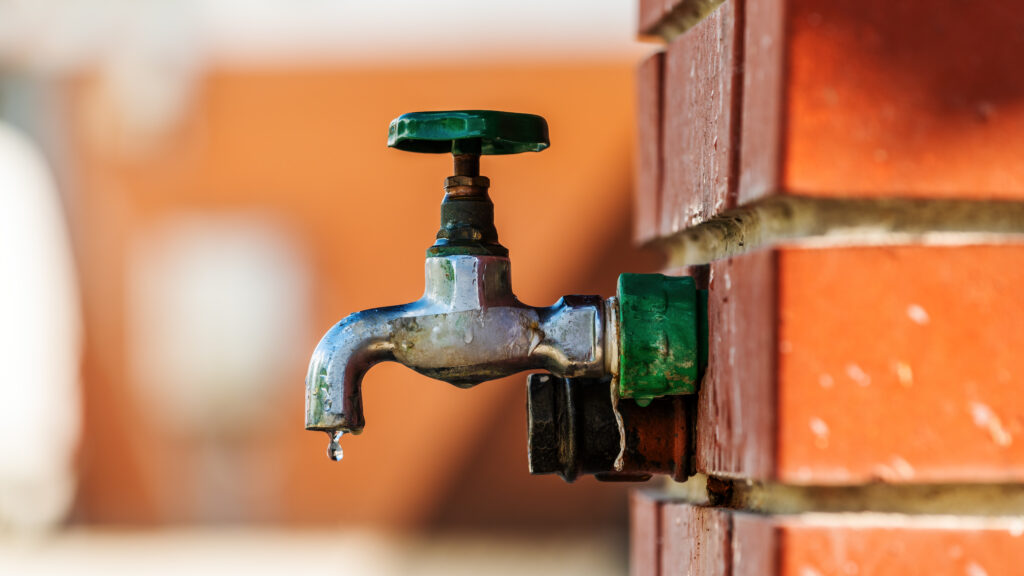
If you leave hoses attached to outdoor faucets, water can get trapped inside. This moisture can freeze and expand, possibly damaging the hose and the faucet, as well as connected pipes inside your house. In the fall, disconnect all hoses, drain any remaining water, and store them in a dry area indoors. If you have frost-free spigots, make sure they’re properly turned off and drained.
Shut Off and Drain Outdoor Water Lines
If your home has an irrigation system or outdoor plumbing lines, shut off the water supply and drain them completely. This prevents any residual water from freezing and cracking the pipes over winter. In addition, have your sewer line inspected for blockages or damage, ensuring issues don’t become worse in the winter.
If you have a sprinkler system, you will need to “winterize” it, which typically requires a blow-out method, which is when you use compressed air to remove all remaining water.
Check for Leaks
A small leak may not seem like a big deal now, but it could become a major issue once freezing weather sets in. Go through your home and inspect faucets, toilets, and under-sink areas for signs of moisture or drips. Fixing these early can prevent wasted water and potential ice blockages.
Check for moisture stains, musty smells, or warped flooring, as this could indicate a hidden leak. You can also test your water meter by turning off all the water in the house, then checking the meter reading after an hour. If it changes, you likely have a leak somewhere.

Service Your Water Heater
Your water heater has to work harder in the winter to provide hot water. Schedule a maintenance check in the fall to ensure it’s running efficiently. Flush the tank to remove sediment buildup, inspect the anode rod, and adjust the thermostat to around 120 degrees for optimal performance and safety.
If your water heater is over 10 years old, you might want to consider a replacement or upgrading to a tankless water heater.
Clear Gutters and Downspouts
While not strictly plumbing, your home’s drainage system is connected to how well water moves away from your foundation. Clean out leaves and debris from gutters during the fall season to prevent clogs and ensure proper drainage when snow melts or it rains.
Test Your Sump Pump
If you have a sump pump, test it by pouring a bucket of water into the pit to make sure it activates properly. This helps prevent flooding in your basement during heavy rain or snowmelt. Ensure the sump pump as well as the discharge pipe are insulated with foam, fiberglass, or a wrap.
Seal Gaps
In areas where pipes enter your home, gaps can develop between the walls and the pipes, allowing cold air to enter, which could cause pipes to freeze. Inspect where pipes enter your home and seal gaps with weather stripping, caulking, and insulation.
Schedule a Professional Plumbing Inspection
Fall is a great time to have a licensed plumber perform a full inspection. They can check for hidden leaks, inspect water pressure, ensure your water heater and sump pump are functioning correctly, and recommend any necessary repairs before winter arrives.
Bonus Tip: Know How to Shut Off Your Water
If a pipe does burst during winter, knowing where your main water shut-off valve is and how to use it can minimize damage. Take time in the fall to make sure everyone in your household knows its location, especially before leaving town for the holidays.
Prepare Your Plumbing for Winter
Prepping your plumbing system for winter might not be the most exciting fall activity, but it’s one of the most important. A few proactive steps now can help you avoid the stress and expense of burst pipes or unexpected repairs later on.
If you’re unsure of where to start, contact a professional plumber to handle your fall maintenance and keep your plumbing running smoothly all season long.

