
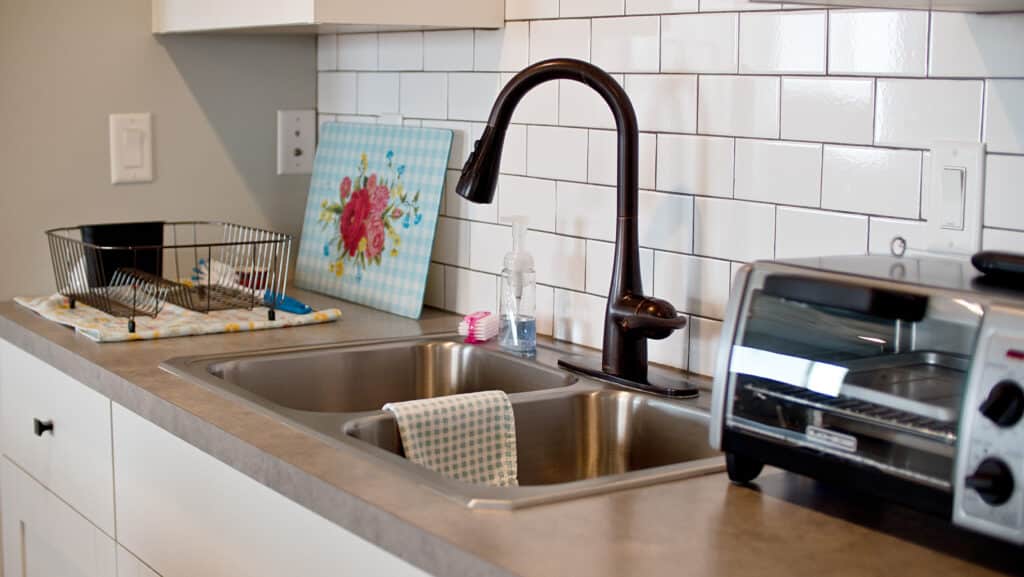
A leaky kitchen sink might seem unimportant, but even a slow drip can waste water, damage cabinets, cause mold and mildew growth, and lead to costly repairs if ignored. Whether it’s a puddle under the sink or a mysterious drip from the faucet, finding and fixing leaks early can save you time and money. Here’s a simple guide to understanding, identifying, and addressing kitchen sink leaks.
Common Causes of Kitchen Sink Leaks
Worn-Out Faucet Components — If you have a leak, your faucet is usually to blame. Over time, washers, O-rings, and seals wear down, causing drips around the handle or spout.
Loose or Damaged Connections — Leaks often occur at the water supply lines or where pipes connect. Vibration, age, or improper installation can cause fittings to loosen over time.
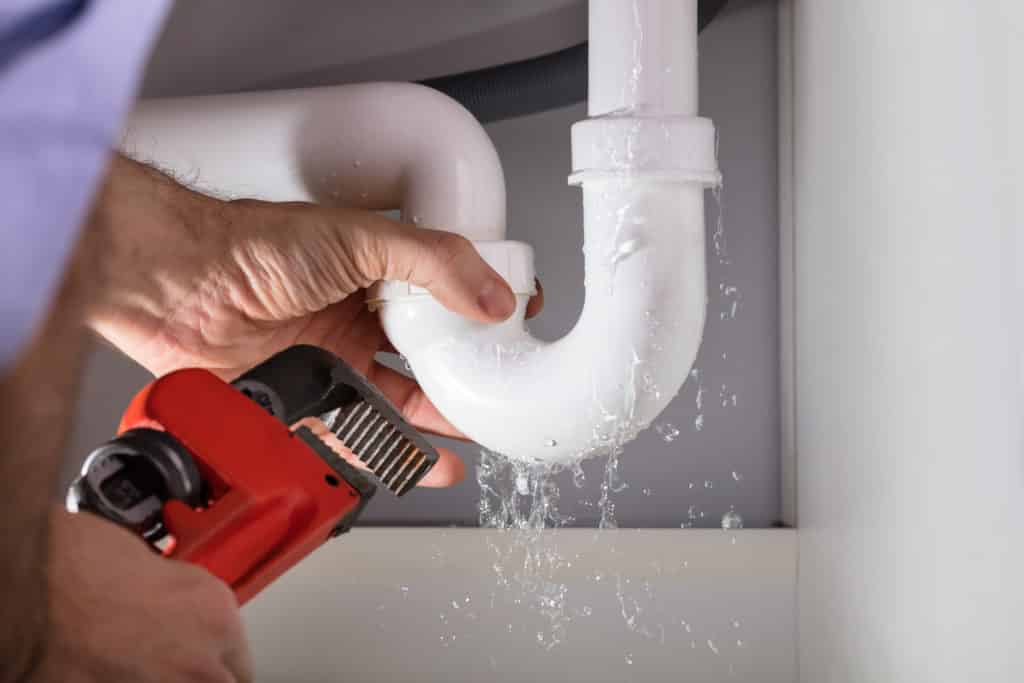
Clogged or Cracked P-Trap — The curved pipe under your sink (called the P-trap) can become loose, corrode, or develop cracks or leaks, especially if it’s made of plastic. Build-up from grease or debris can also put extra pressure on this pipe and worsen the problem.
Faulty Sink Strainer or Drain Seal — The area where the drain connects to the kitchen sink basin can deteriorate over time. If the plumber’s putty or rubber gasket fails, you might notice water seeping around the drain area.
Damaged sink or Countertop Caulking — Leaks can also occur when the caulking around the sink rim dries out or cracks, allowing water to seep beneath the counter surface.
Garage Disposal Issues — Disposal seals can loosen or crack, or the unit itself may crack, leading to leaks from the bottom or sides.
Dishwasher Connections — A loose clamp or cracked hose at the dishwasher’s drain connection can cause a leak, especially when the dishwasher is running.
Improper Installation — Overtightening fittings or incorrect installation can crack plastic parts or create a faulty seal from the start.
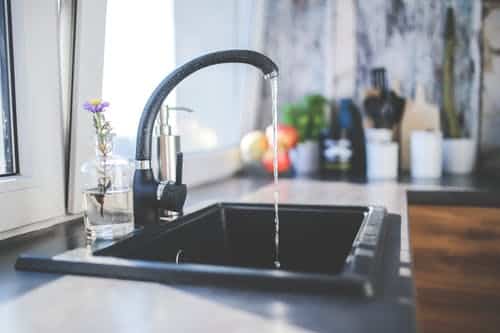
How to Find the Source of the Leak
Dry Everything Off — Wipe down the area under the sink and around the faucet.
Run the Water — Turn on both hot and cold water and observe where moisture first appears.
Check One Part at a Time — Start from the faucet, then move to the drain, pipes, and supply lines.
Use Paper Towels – Place dry paper towels or an old bath towel under suspect areas to pinpoint slow leaks.
Simple Fixes You Can Try
Tighten Loose Connections — Using a wrench or pliers, tighten loose connections (just make sure you don’t overtighten).
Replace Worn Washers or O-Rings — If tightening doesn’t work, disconnect the pipes and check the rubber gaskets for wear and tear. Replace any that are cracked or brittle.
Reseal the Drain or Caulking — Use plumber’s putty or silicone sealant around the underside of the sink drain’s flange or around the faucet base.
Replace the P-Trap — If the P-trap is cracked or damaged, replace it with a newer one.
When to Call a Professional
The Leak Continues — If tightening connections or replacing washers doesn’t stop the leak, you may need to call a professional to find the underlying problem.
Extensive Water Damage — Large amounts of standing water or water damage to the cabinet, subflooring, or walls require professional attention to prevent mold growth.
Visible Pipe Damage — Cracks, severe rust, or structural wear on pipes could require professional replacement.
Unusual Sounds or Smells — A continuous gurgling sound or sewer smells could indicate a blocked sewer line or vent.
Multiple Leaks — If you have leaks in more than one location, it could indicate a more serious problem with the overall plumbing system.
Lack of Experience — If you’re unsure of the problem, don’t have the right tools, or aren’t comfortable with the repair, consider calling a professional to avoid causing further damage.
Preventing Future Leaks
Inspect Frequently — Check under the kitchen sink monthly for signs of moisture, discoloration, corrosion, or loose fittings.
Clear Drains — Regularly clean drains to prevent clogs from putting pressure on pipes and seals.
Avoid Overloading — Keep the cabinet under the sink clear of heavy items that could stress the plumbing.
Use Quality Fixtures — Invest in durable, high-quality pipes, fittings, and other components to reduce the likelihood of early failure.
Use Under-Sink Mats — Place a protective mat with a lip under the kitchen sink to contain small drips and help you see leaks.
Kitchen Sink Leaks Don’t Have to Be Complicated
A leaking kitchen sink is more than an inconvenience — it’s an early warning sign of potential water damage. By identifying the source quickly and performing regular maintenance, you can protect your kitchen from costly repairs and keep everything flowing smoothly. And when in doubt, don’t hesitate to call a professional plumber to ensure the problem is handled the right way.

