
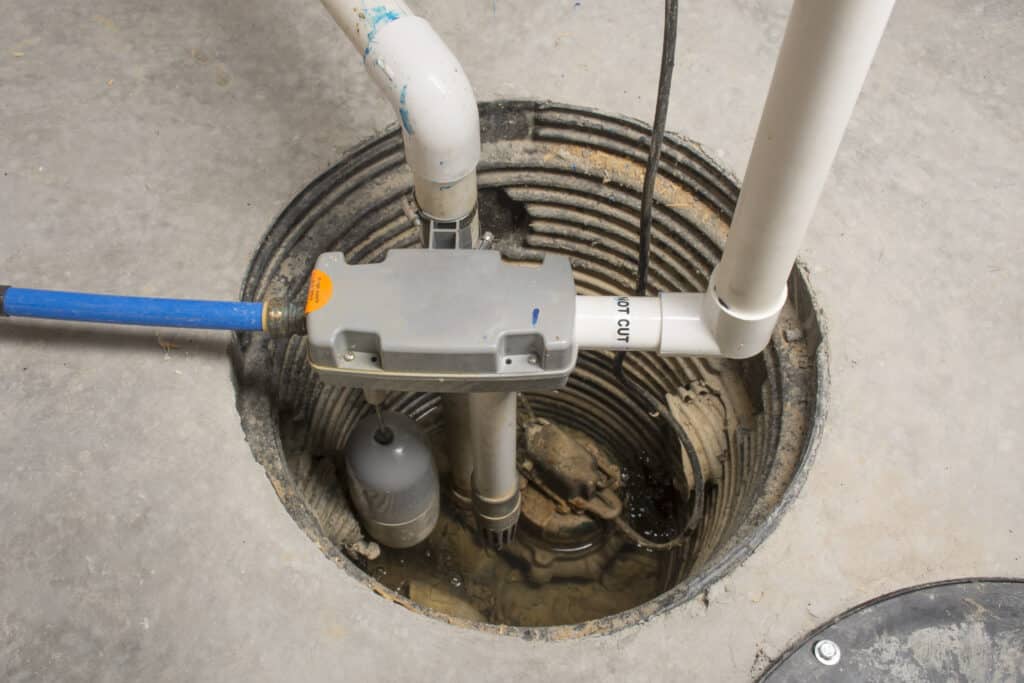
Water damage is one of the most stressful, costly, and complicated problems homeowners can face. Whether caused by heavy rain, rapid snowmelt, or rising groundwater, excess moisture can quickly turn your basement into a liability. Fortunately, by installing a sump pump, you can protect your home from flooding and water damage and give yourself peace of mind.
What Is a Sump Pump?
A sump pump is a simple but powerful device installed in the lowest part of your basement or crawl space. It typically sits inside a specially constructed pit called a sump basin, which is two or three feet deep. Its primary job is to collect and remove excess water before it accumulates and causes damage.
When water enters the sump pit, either from drains or natural groundwater, it triggers a float switch. The pump then activates and directs the water away from your home through a discharge pipe, keeping your basement dry.
How Does a Sump Pump Work?
Sump pumps are designed to operate automatically, which makes them highly effective and reliable during storms or when you’re away from home.
Here’s a breakdown of the process:
Water flows into the sump basin from the surrounding soil or drainage systems, and the float switch rises as the water level increases. Once the water reaches a certain height, the pump turns on and directs water safely away from your home’s foundation, often into your yard or a storm drain. The pump shuts off when the water level drops.
Sump pumps also have a check valve on the discharge pipe, which prevents water from flowing back into the pit once the pump turns off.
This cycle can repeat as often as needed, especially during heavy rainfall or thawing seasons.
Types of Sump Pumps
There are two main types of sump pumps commonly used in residential settings:
Submersible Sump Pumps — These pumps sit inside the sump basin and are designed to operate underwater. They tend to be quieter, more efficient, and less likely to overheat, making them a popular choice for finished basements.
Pedestal Sump Pumps — With this design, the motor sits on a pedestal above the basin while the pump extends into the water. This system is typically more affordable and easier to service, but it can be noisier and more visible.

Why Might You Need a Sump Pump?
Not every home requires a sump pump, but many benefit from having one, especially in areas prone to moisture. Here are some common reasons to consider installing one:
Frequent Basement Flooding — If your basement has flooded before, it’s likely to happen again. A sump pump provides ongoing protection.
Heavy Rainfall or Snowmelt — Homes in regions with significant precipitation or seasonal thawing have a higher risk of water intrusion.
High Water Table — If you live in an area where the ground is consistently saturated with water, moisture can seep into your basement without warning.
Poor Drainage Around Your Home — Improper grading, clogged gutters, or inadequate drainage systems can direct water toward your foundation.
Low-Lying Property — If your home sits at the bottom of a hill or in an area with poor drainage, it is more prone to water accumulation.
Finished Basements — If you’ve invested in flooring, drywall, or furniture in your basement, a sump pump helps protect that investment.
Even if you’ve never experienced major flooding, you may need a sump pump if you smell damp or musty odors in your basement, see visible water stains on walls or floors, notice peeling paint or warped paneling, or expereience standing water after heavy rain.
Additional Benefits of a Sump Pump
Beyond preventing flooding, sump pumps can reduce mold and mildew growth by keeping moisture levels low, protect your foundation from water-related weakening or cracks, improve air quality and reduce musty odors by minimizing damp conditions, and increase property value by adding a layer of protection.
Do You Need a Backup System?
A standard sump pump relies on electricity, which can be a problem during severe storms when you need it most. For extra reassurance, many homeowners invest in a battery-powered backup pump or water-powered backup system. This keeps everything working, even during power outages.

Protect Your Home From Excess Moisture
A sump pump is a small investment that can prevent major headaches. If your home is vulnerable to water intrusion, installing one can save you thousands of dollars in repairs and give you peace of mind during storm season.
If you’re unsure whether your home needs a sump pump, a professional inspection can help assess your risk and recommend the best solution for your specific situation.

