Call Anytime 24/7
tankless water heaters, Utah

S & B Plumbing

801-528-4999 Book Now Customer Loyalty Program
  • Plumbing
        • Commercial Drain Cleaning
        • Commercial Plumbing
        • Emergency Plumber
        • Faucet Repair
        • Garbage Disposal
        • Sink Repair
        • Toilet Repair
        • Frozen Water Line
        • Gas Line Install & Repair
        • Hose Bibbs
        • Main Water Line
        • Repiping
        • Stop and Waste Valve
        • Sump Pumps
        • Bathroom Remodeling
        • Kitchen Remodeling
        • New Construction
        • Water Leak Detection & Repair
  • Drain & Sewer
  • Water Heaters
    • Tankless Water Heater
  • Water Softener
    • Water Filtration System
  • Industries We Serve
    • Residential 
      • Single-Family Homes
      • Apartment Complex Plumbing
      • Condominiums And Townhouses
    • Industrial
      • Manufacturing Plants
      • Warehouses and distribution centers
      • Automotive Facilities
    • Healthcare
      • Hospitals
      • Nursing Homes And Assisted Living Facilities
      • Clinics And Outpatient Centers
      • Dental Offices
      • Medical Offices
    • Municipal and Government
      • Public Buildings
      • Libraries
      • Parks and Recreational Facilities
    • Hospitality and Entertainment
      • Hotels and Resorts
      • Theaters and Performance Venues
      • Stadiums and Arenas
      • Event Venues and Convention Centers
    • Real Estate and Property Management
      • Property Management Companies
      • Real Estate Developers
      • Rental Property Services
    • Utilities & Infrastructure
      • Water Treatment Facilities
  • About Us
    • Service Area
    • Blog
    • Reviews
    • Contact Us
    • Schedule a Plumbing Service
    • Careers
    • Customer Loyalty Program
    • Coupons
  • Recent Projects

Can a Plumber Fix Low Water Pressure?

Home | Plumber | Page 22

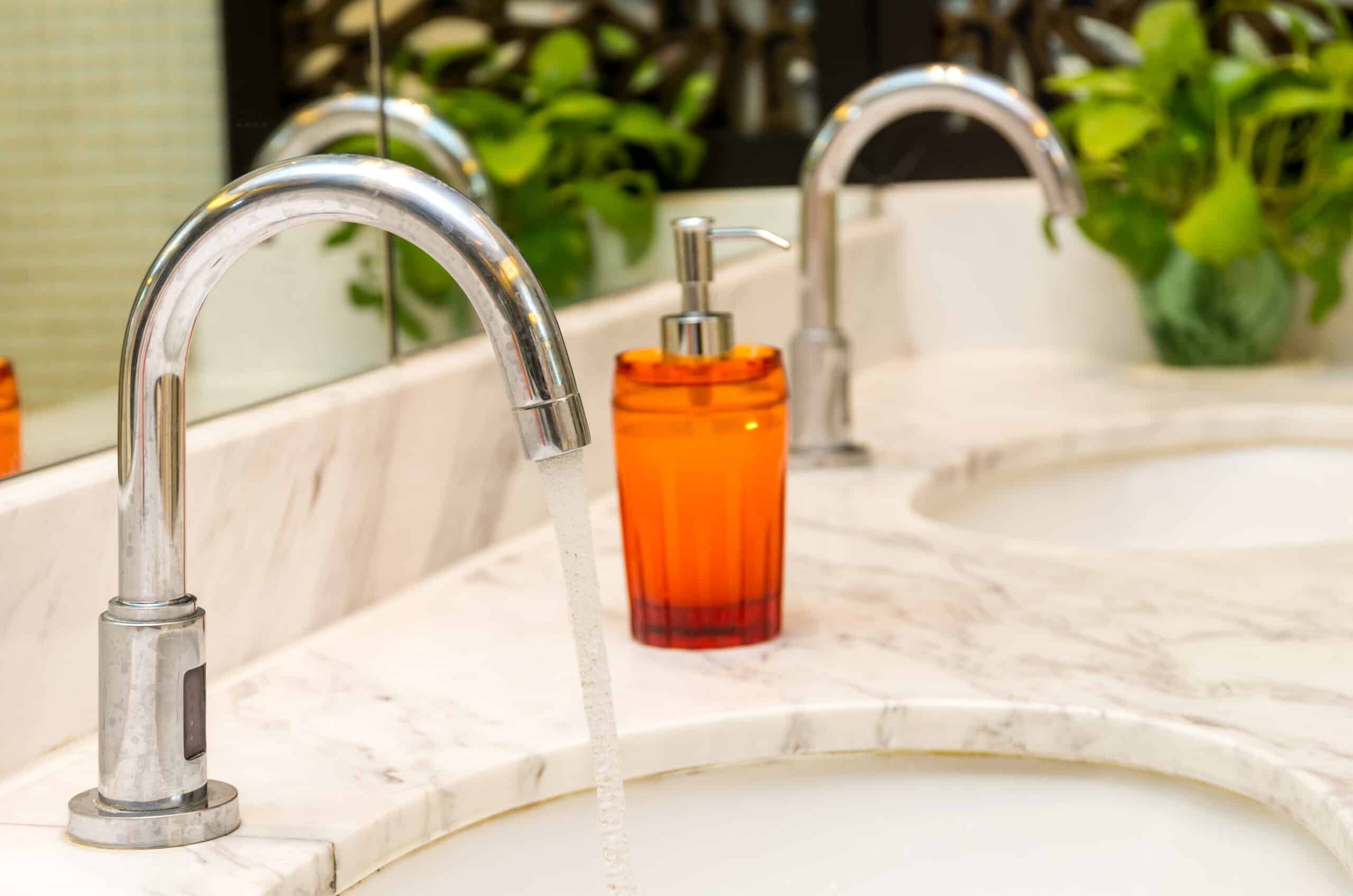
Low water pressure can be a frustrating problem that causes weak showers, slow-filling sinks, and inefficient appliances. These issues can disrupt daily life and routines, and it can indicate underlying plumbing problems. Addressing low water pressure promptly is important, as it ensures optimal functionality of your home’s water system, prevents potential damage to pipes and fixtures, and maintains water efficiency. By resolving low water pressure yourself or by a professional plumber, homeowners can enjoy a  more comfortable living environment and avoid costly repairs in the future.
low water pressure, utah

Understanding Low Water Pressure

Low water pressure refers to a reduction in the force or speed that water flows through your home’s plumbing system. This can affect a single fixture, like a faucet or showerhead, or it can be a widespread problem that affects multiple points of the home. Here are some common signs that indicate low water pressure:

  • Weak Flow From Faucets: Water dribbles rather than flows continuously when you turn on faucets.
  • Slow-Filling Appliances: Appliances such as washing machines, dishwashers, and toilets take longer to fill or complete their cycles.
  • Poor Shower Performance: Showers feel weak and unsatisfactory due to insufficient water force.
  • Multiple Fixtures Affected: Low water pressure is noticeable at several points, such as in the kitchen, bathroom, and outdoor spigots.
  • Dripping Faucets: Faucets may drip rather than provide a steady stream of water.
  • Ineffective Sprinkler Systems: Lawn and garden sprinklers may not cover the intended areas properly due to inefficient water pressure. 

Understanding these symptoms helps in identifying low water pressure issues early to allow for interventional to restore optimal water flow in your home.

Common Causes of Low Water Pressure

Clogged Pipes

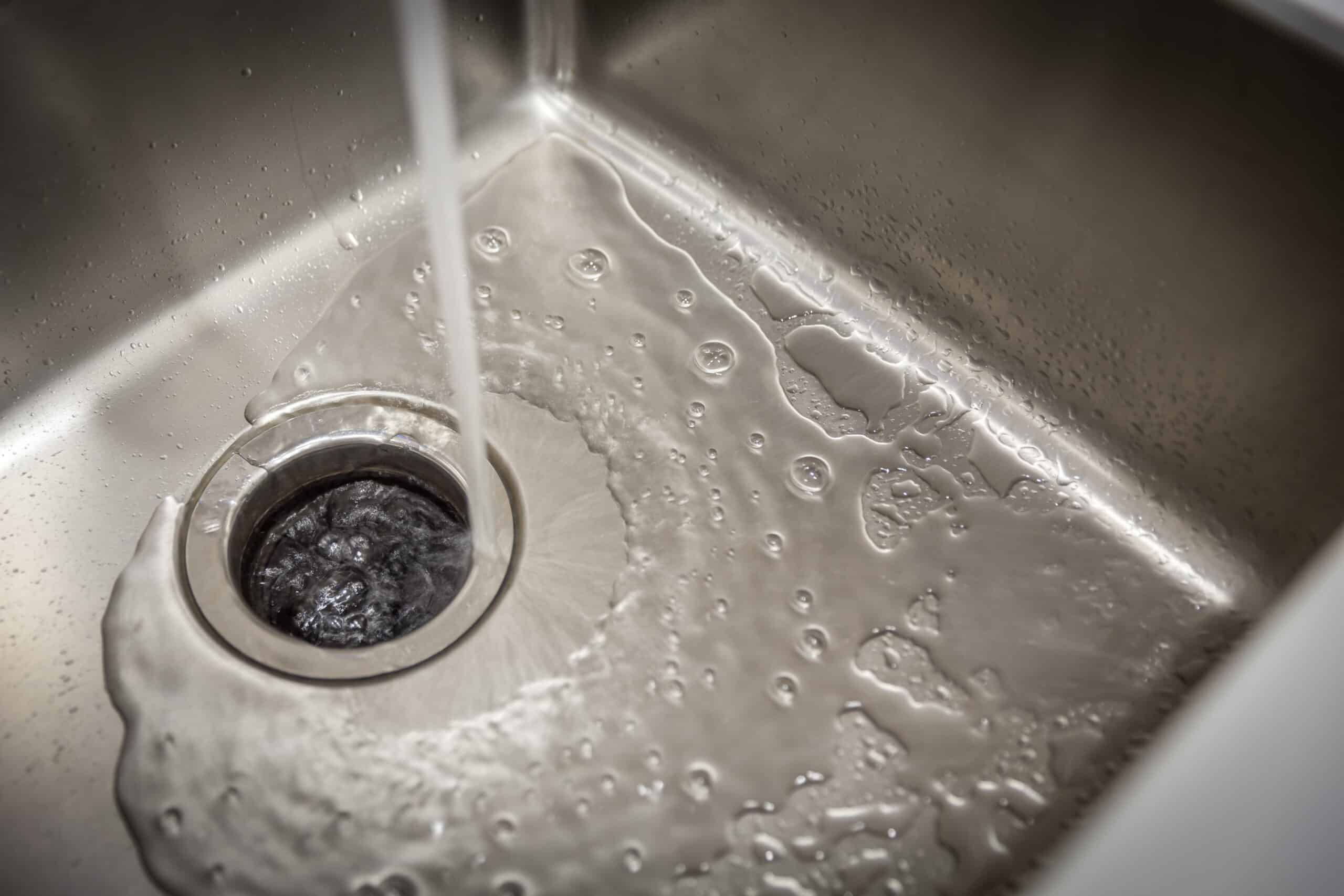
Over time, mineral deposits, such as lime and calcium, and debris can accumulate inside pipes, which narrows the diameter and obstructs water flow. This buildup is particularly common in areas with hard water and can significantly reduce water pressure throughout the home. 

Leaky Pipes

Hidden leaks in the plumbing system can lead to a decrease in water pressure. These leaks often occur in walls, ceilings, or underground, making them difficult to detect. The escaping water not only reduces pressure but can also cause water damage and increase utility bills.

Corroded Plumbing

As plumbing systems age, pipes can corrode, especially those made from galvanized steel or iron. Corrosion creates rough surfaces and reduces the internal diameters of the pipes, impeding water flow and causing a drop in pressure.
low water pressure, utah

Faulty Fixtures

Old or malfunctioning faucets and showerheads can cause water pressure issues at specific points in the home. These fixtures may become clogged with sediment or suffer from internal wear and tear, which prevents them from delivering a strong, steady flow of water. 

Pressure Regulator Issues

A pressure reducing valve (PRV) is installed in many homes to manage the water pressure entering from the main water supply. If this valve malfunctions or is incorrectly set, it can result in water pressure issues. Regular maintenance and adjustments can ensure the PRV operates correctly. 

Municipal Water Supply Problems

Sometimes, water pressure issues originate outside the home, due to problems with the municipal water supply. This can include maintenance work, system malfunctions, or high demand in the area, which reduces the water pressure delivered to homes. Checking with the local water supply can help determine if the issue is widespread.

Understanding these common causes of low water pressure can help homeowners identify and address issues effectively, ensuring a reliable and strong water flow in their homes.

How Plumbers Diagnose Low Water Pressure

  1. Inspection and Assessment

Plumbers begin by visually inspecting pipes, fixtures, and connections to identify obvious issues such as visible leaks, corrosion or signs of wear and tear. This initial assessment helps in narrowing down potential problem areas.

  1. Pressure Testing

Using a water pressure gauge, plumbers measure the water pressure at various points in the home, such as faucets and outdoor spigots. This helps determine if the low pressure is isolated to specific areas or affects the entire system.

  1. Leak Detection

Plumbers use specialized tools, such as electronic leak detectors and thermal imaging cameras, to locate hidden leaks within walls, floors, or underground. Detecting these leaks is crucial for restoring proper water pressure and preventing further damage.

  1. Evaluating Water Supply Lines

Plumbers assess the main water supply lines for blockages, mineral buildup, or corrosion. They may use cameras to inspect the inside of pipes, ensuring a thorough evaluation of the system’s condition and identifying areas that need repair or replacement. 

Solutions From S & B Plumbing

Our professional plumbers at S & B Plumbing provide many types of solutions for low water pressure, such as clearing clogs, repairing leaks, replacing corroded pipes, fixture replacement, adjusting pressure regulators, and more. Our plumbers can also give you preventive maintenance tips to prevent issues in the future. If you’ve had continuous water pressure problems, reach out to us today to get it fixed before it turns into a major water disaster.
Filed Under: Plumber

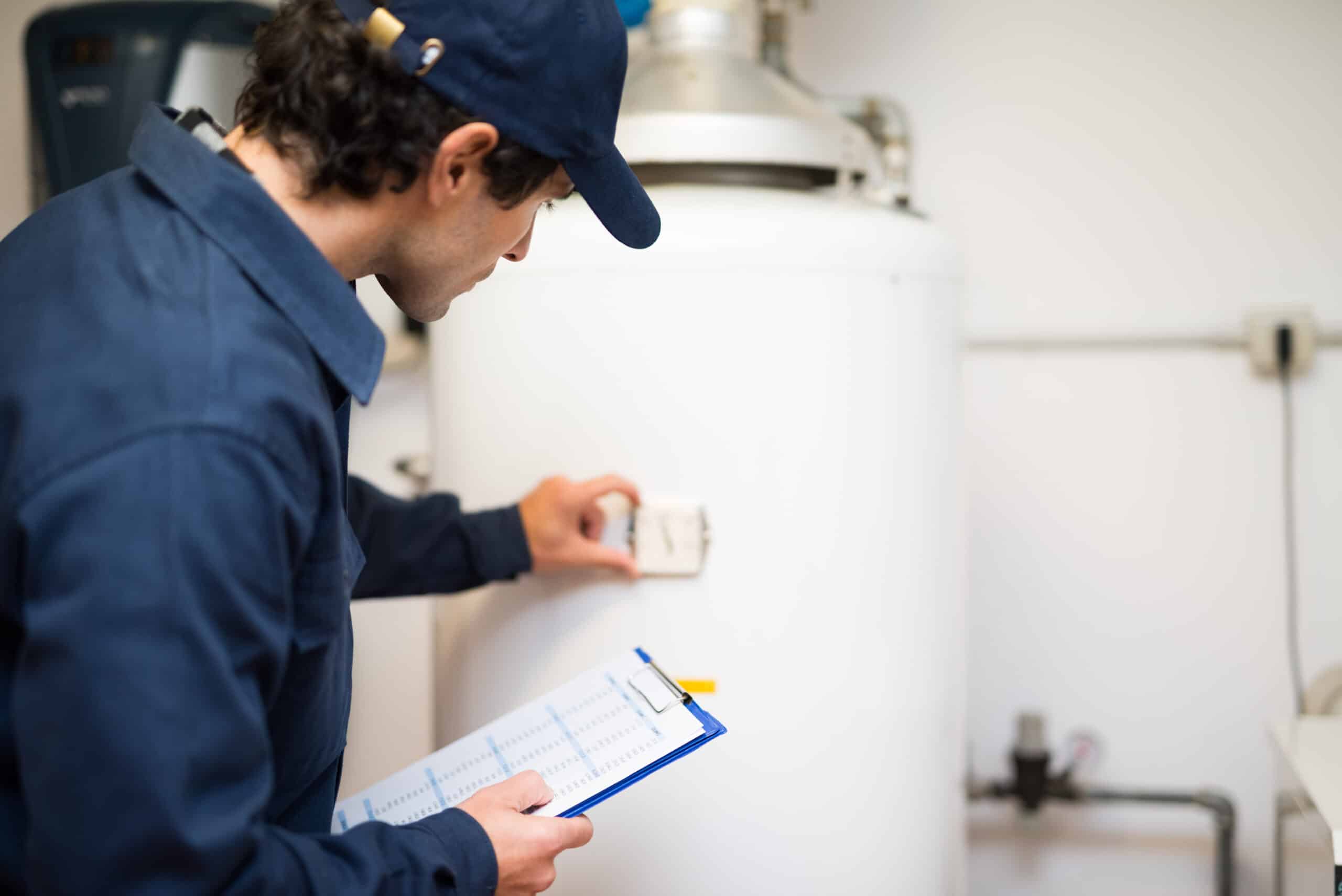
Knowing how to improve water heater efficiency is crucial for several reasons like reduced energy consumption and extended lifespan. Beyond personal benefits, improving water heater efficiency contributes to a smaller environmental footprint by reducing overall energy use and greenhouse gas emissions. Understanding and implementing efficiency measures can result in long-term financial savings and a positive impact on the planet.

improve water heater efficiency, utah

Understanding Water Heater Efficiency

Water heater efficiency refers to how efficiently a water heater converts energy into hot water while minimizing energy waste. High-efficiency water heaters produce more hot water per unit of energy consumed, reducing overall energy costs and consumption.

Here are three factors that affect efficiency of water heaters:

  1. Age: Older water heaters tend to be less efficient due to wear and tear, sediment build-up, and outdated technology. As components age, they may not operate as effectively and lead to increased energy use.
  2. Type of Heater: The type of water heater significantly impacts efficiency. Tankless water heaters, for example, are generally more efficient than traditional tank models because they heat water on demand, avoiding the standby heat loss associated with storing hot water. Other types, like heat pump water heaters, utilize different mechanisms to enhance efficiency.
  3. Usage Patterns: How and when you use hot water affects your water heater’s efficiency. Frequent short bursts of hot water can be more efficient than prolonged use. Patterns of high demand, especially during peak times, can strain the system and lead to reduced efficiency. Regularly using more hot water than necessary can also drive up energy consumption and decrease overall efficiency.

Understanding these factors helps in identifying ways to improve water heater efficiency, ensuring better performance, lower energy costs, and a longer lifespan for the appliance.

Tips to Improve Water Heater Efficiency

1. Lower the Thermostat Setting

    The U.S. Department of Energy suggests setting your water heater thermostat to 120 degrees Fahrenheit for optimal efficiency and safety, so consider lowering the thermostat setting if it is above the optimal temperature. Lowering the thermostat setting reduces energy consumption and decreases the risk of scalding. It also slows mineral buildup in the tank, extending the water heater’s lifespan.

    2. Insulate the Water Heater Tank

      Insulating the water heater tank is another way to improve the efficiency of water heaters. Insulating it reduces heat loss, which minimizes standby heat loss and improves overall efficiency. To insulate the heater, wrap the tank with an insulating jacket or blanket and ensure it covers the entire surface without blocking air vents or controls. Common materials include fiberglass blankets, foam insulation, and reflective foil insulation. You should also choose insulation with an R-value appropriate for your climate.

      3. Insulate Hot Water Pipes

        Insulating the hot water pipes is another way to reduce heat loss during distribution to ensure hot water reaches faucets and fixtures more quickly and efficiently. You can measure and cut insulation sleeves to fit around exposed hot water pipes to insulate the pipes. Secure the insulation with tape or wire, paying attention to seams and joints. Insulate both hot and cold water pipes in unheated areas like basements and crawl spaces.

        improve water heater efficiency, utah

        4. Install a Timer

          Timers allow you to schedule water heating cycles to help ensure hot water is available when needed and minimizes standby heat loss during idle periods. Program the timer to coincide with peak usage times, such as mornings and evenings. Consider using a smart timer that adjusts heating cycles based on your usage patterns for maximum efficiency. Regularly monitor and adjust timer settings to optimize energy savings and improve water heater efficiency.

          5. Regular Maintenance and Flushing

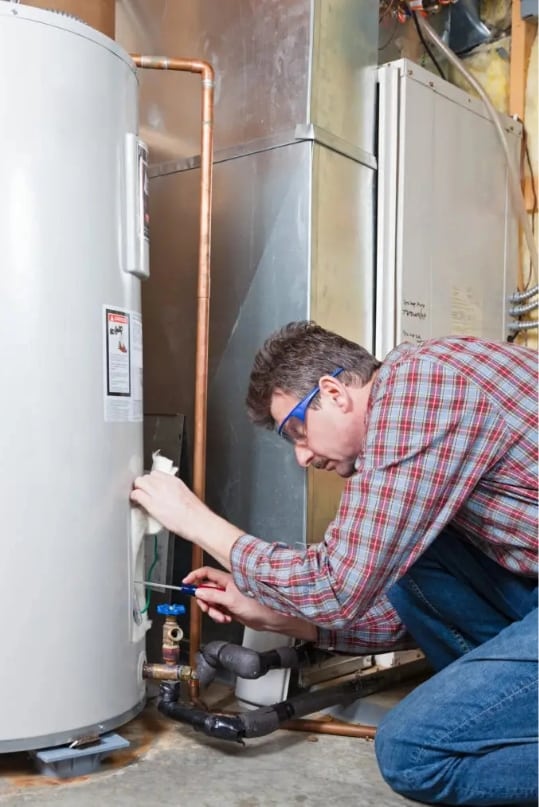
            Regular maintenance is essential for ensuring optimal performance and efficiency of your water heater. It helps prevent sediment buildup, corrosion, and other issues that can reduce efficiency and lifespan. Flushing and removing sediment improves efficiency by eliminating insulating layers that hinder heat transfer. Sediment removal also improves water quality by preventing foul odors and tastes caused by trapped debris. Flush your water heater annually to remove sediment buildup, and schedule professional maintenance every 1-2 years to inspect and tune up the system.

            6. Upgrade to a High-Efficiency Model

              Consider upgrading when your current water heater is nearing the end of its lifespan or experiencing frequent issues. If you’re looking to improve energy efficiency and reduce operating costs, a high-efficiency model may be a worthwhile investment.

              7. Reduce Hot Water Usage

                Low-flow fixtures reduce water consumption without sacrificing performance to save both water and energy. Promptly repairing leaks also helps to conserve water and improve water heater efficiency. Consider using cold water for tasks that don’t require hot water, such as washing clothes in cold cycles or rinsing dishes. 

                8. Consider a Tankless Water Heater

                  Tankless water heaters heat water on demand, eliminating standby heat loss associated with traditional tank models. They provide unlimited hot water supply and can be more energy-efficient, especially in homes with low to moderate hot water demand. 

                  Choose S & B Plumbing for Water Heater Needs

                  If you’re in need of water heater repairs or a new water heater, S & B Plumbing is here to help. We are skilled plumbers who handle your property with care and professionalism to leave it better than we found it. We also provide many other plumbing services, including faucet repairs, repiping, sewer cleaning, and more. Contact us to book your appointment today.

                  Filed Under: Plumber

                  Summer is just around the corner which means that many residents will leave their homes for extended periods of time for vacations and summer activities. It may not be the first concern on your mind, but you may be wondering, “Should I turn off the water before I leave?” Turning off the water before leaving your home could save you money and prevent disaster from striking while you are not around.

                  turn off the water, Ogden Utah

                  Include Water Shut Off In Your Prep List

                  While the water system should be fine while you’re gone, there is never a guarantee. Even if no one is in your home while you are away and no water will be used, the pipes could burst or leak causing massive flooding and other damage while you are miles away.

                  Before you go, calling a licensed plumber to check your water line, older pipes, and other areas of your home can be beneficial. While you should still be turning off the water in your home while you are gone, the plumber can give you peace of mind by letting you know that everything is safe.

                  How Do I Turn Off the Water?

                  You can turn off the water in your home from the main valve. Knowing the location of the valve is not only important to know for when you leave your home, but in the case of an emergency to prevent further flooding. You may need to search for a bit if you don’t immediately know where your valve is. If you need assistance finding the valve you can call S&B or here are some common places to look:

                  • Around the perimeter of your home
                  • The basement or below ground level of your home
                  • The nearest point of your home from your water meter
                  • Listed in your inspection report
                  • Access panels installed in walls during remodel

                  Turning Off The Water During The Winter

                  While winter may be in the back of your mind, you should plan to turn off the water during winter vacations or trips as well. Even more so because of the added risk of frozen and bursting pipes. Even small leaks that go undetected can become huge problems if left unchecked. While traveling is less common for Utahn’s in the winter, it is a good idea to have plumbers check your home for leaks and other problems frequently. While emergency plumbing is available, water and plumbing disasters can be prevented with frequent upkeep.

                  turn the water off, Utah

                  Water Heaters

                  Keeping up with maintenance and turning off the water heater when you are gone is another way to prevent massive damage. Checking your water heater for unusual noises or pooling water before you leave is a good place to start. If you are in need of a water heater replacement or just want to have a professional check it out before you take off, we are here to help. 

                  Another common question that a plumber may receive is if turning off the water to your water heater will damage it. Turning off the main water supply or the heat supply will not cause damage to the heater. Turning off the main water supply prevents new water from refilling your tank. If your tank is almost out of water before you leave it is best to turn off the water heater so the water does not run out and cause damage. If the tank is full, then turning the water heater off is not necessary.

                  Other Precautions You Can Take

                  While turning off the water to your home will prevent most if not all the damage, here are some other things you can do before your next vacation to prevent damage to your home:

                  • Drain water from pipes in the winter
                  • Inspect supply lines and other appliances and repair damaged ones
                  • Check your sump pump
                  • Check gutters for build up of leaves and other debris
                  • Unplug electronics
                  • Set your thermostat to an away temperature
                  • Recruit a house watcher incase damage or emergency does occur. 

                  Contact Us Before Or After Disaster

                  We are available to help prevent and repair disasters. Contact us to check water lines, appliances. sewage and drains. Along with disasters, we specialize in routine maintenance checks and repairs, such as toilet repairs, repiping, and drain cleaning. For all of your plumbing needs, S & B Plumbing is ready to help. Call us to book your appointment now and be prepared for any plumbing issues that may arise this summer. Don’t wait until the problems turn into disasters; take preventative measures to ensure that you can enjoy your summer vacation and come home to a clean and safe place.

                  Filed Under: Plumber

                  • « Previous Page
                  • 1
                  • …
                  • 20
                  • 21
                  • 22
                  • 23
                  • 24
                  • …
                  • 49
                  • Next Page »

                  Address & Hours

                  Billing Address

                  691 N. 2075 W. Suite A

                  Marriott-Slaterville, UT 84404

                  Utah - (801) 528-4999

                  sbputah@gmail.com

                  Plumbing Services:

                  24/7


                  Office Hours:

                  M-TH 8am-5pm

                  Fri 8am-4pm

                  Directions

                  Follow Us

                  Contact Us

                  This field is for validation purposes and should be left unchanged.

                  2026 | S & B Plumbing | All Rights Reserved | Privacy Policy | Terms | XML Sitemap | Sitemap | Site by PDM