
Call Anytime 24/7
tankless water heaters, Utah

S & B Plumbing

801-528-4999 Book Now Customer Loyalty Program
  • Plumbing
        • Bathroom Remodeling
        • Emergency Plumber
        • Faucet Repair
        • Frozen Water Line
        • Gas Line Install & Repair
        • Hose Bibbs
        • Garbage Disposal
        • Kitchen Remodeling
        • Main Water Line
        • New Construction
        • Repiping
        • Sink Repair
        • Stop and Waste Valve
        • Sump Pumps
        • Toilet Repair
        • Water Filtration System
        • Water Leak Detection & Repair
        • Commercial Plumbing
        • Commercial Drain Cleaning
        • Backflow Testing
  • Water Heaters
    • Tankless Water Heater
  • Water Softener
  • Drain & Sewer
  • Industries We Serve
    • Residential 
      • Single-Family Homes
      • Apartment Complex Plumbing
      • Condominiums And Townhouses
    • Industrial
      • Manufacturing Plants
      • Warehouses and distribution centers
      • Automotive Facilities
    • Healthcare
      • Hospitals
      • Nursing Homes And Assisted Living Facilities
      • Clinics And Outpatient Centers
      • Dental Offices
      • Medical Offices
    • Municipal and Government
      • Public Buildings
      • Libraries
      • Parks and Recreational Facilities
    • Hospitality and Entertainment
      • Hotels and Resorts
      • Theaters and Performance Venues
      • Stadiums and Arenas
      • Event Venues and Convention Centers
    • Real Estate and Property Management
      • Property Management Companies
      • Real Estate Developers
      • Rental Property Services
    • Utilities & Infrastructure
      • Water Treatment Facilities
  • About Us
    • Service Area
    • Blog
    • Reviews
    • Contact Us
    • Schedule a Plumbing Service
    • Careers
    • Customer Loyalty Program
    • Coupons
  • Recent Projects

Signs You Need a Water Softener: Is Hard Water Ruining Your Appliances?

Home | Plumber | Page 20

Is your dishwasher leaving spots on your glasses, or does your laundry feel rough and worn out? These might be more than just everyday annoyances—they could be signs that hard water is taking a toll on your appliances. Hard water can cause serious damage over time, reducing the efficiency and lifespan of everything from your water heater to your coffee maker. In this blog, we’ll explore the telltale signs that you need a water softener and how addressing hard water can save your appliances—and your wallet—from unnecessary wear and tear.

What is Hard Water?

Hard water is water that contains a high concentration of dissolved minerals, primarily calcium and magnesium. These minerals are picked up as water flows through soil and rock, where it absorbs these natural elements. While hard water is not harmful to health, it can cause significant issues in a household, such as mineral buildup in pipes and reduced efficiency of water-using appliances.

Water becomes “hard” as it travels through ground sources, like aquifers, where it dissolves minerals from rocks and soil. Once this mineral-rich water enters your home’s plumbing system, it can start to leave deposits on surfaces, clog pipes, and reduce the effectiveness of soap and detergent, leading to the need for frequent cleaning and maintenance of appliances and fixtures.

The Impact of Hard Water on Appliances
Signs You Need a Water Softener: Is Hard Water Ruining Your Appliances?

1. Scale Buildup in Water Heaters

    Hard water leads to the formation of scale inside water heaters as calcium and magnesium accumulate. This buildup acts as an insulating layer on the heating elements, reducing their efficiency and forcing them to work harder to heat water. As a result, you may notice longer heating times, increased noise from the heater, and higher utility bills due to reduced efficiency. Regular scale buildup can significantly shorten the lifespan of your water heater.

    2. Clogged Pipes and Fixtures

      Mineral deposits from hard water can gradually clog pipes and fixtures. Over time, these deposits accumulate inside pipes, narrowing the flow and leading to reduced water pressure. Common signs include decreased water flow from faucets and showerheads, as well as the appearance of mineral buildup on these fixtures, which can further exacerbate clogs.

      3. Shortened Lifespan of Dishwashers and Washing Machines

        In dishwashers and washing machines, hard water causes soap scum and residue buildup, affecting performance. Dishes may come out dull or spotted, while laundry can feel stiff and less clean. Hard water can also interfere with the lathering of soaps and detergents, making it necessary to use more cleaning products and leading to increased wear and tear on the appliances.

        4. Inefficiency in Coffee Makers and Kettles

          Small appliances like coffee makers and kettles are also affected by hard water. Mineral deposits can accumulate inside these appliances, leading to longer brew times and altered tastes in beverages. Visible scale buildup inside the appliance is a clear indicator of hard water issues, which can ultimately impact the efficiency and lifespan of these commonly used kitchen devices.

          Visible Signs of Hard Water Damage

          Here are some of the visible signs of hard water damage to look out for:

          • White, Chalky Residue on Appliances

          One of the most noticeable signs of hard water is the white, chalky residue known as limescale. These deposits are formed by the calcium and magnesium in hard water as it evaporates, leaving behind a crusty layer. You’ll often find limescale on faucets, showerheads, and glass surfaces like shower doors. Over time, this buildup can be difficult to remove and may damage the finish of your fixtures.

          • Soap Scum Buildup

          Hard water doesn’t mix well with soap, leading to the creation of soap scum—a stubborn, filmy residue. This buildup typically appears in bathtubs, sinks, and on appliances like dishwashers. Soap scum not only looks unsightly but can also be challenging to clean, often requiring special cleaners to remove it effectively.

          • Fading and Rough Fabrics

          Hard water has a detrimental effect on laundry, causing fabrics to feel rough and look faded over time. The minerals in hard water prevent detergent form lathering properly, leading to soap residue on clothes. This residue can cause clothes to lose their softness, fade in color, and wear out more quickly, making them feel less comfortable to wear.
          Signs You Need a Water Softener: Is Hard Water Ruining Your Appliances?

          Why a Water Softener is the Solution

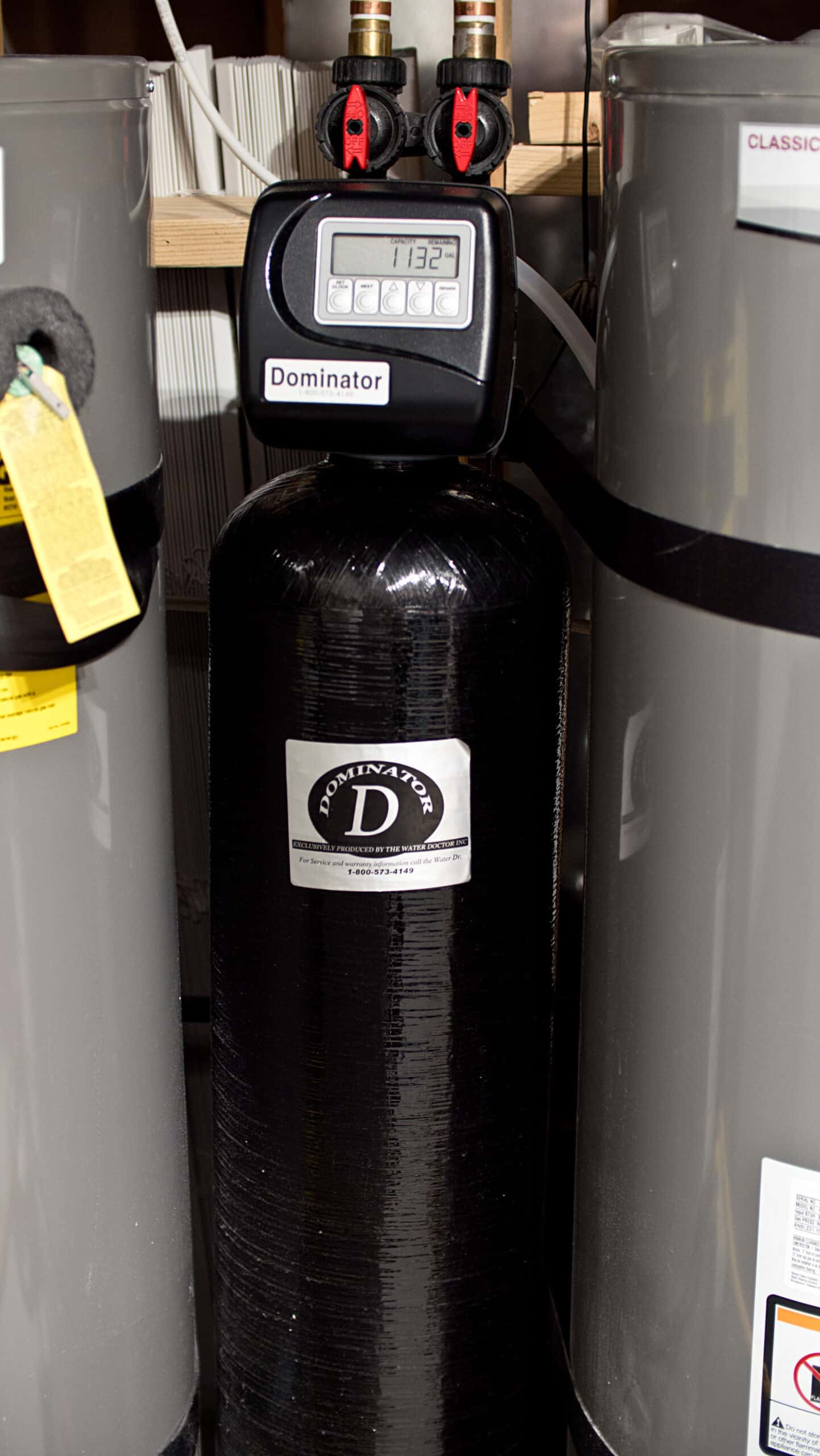
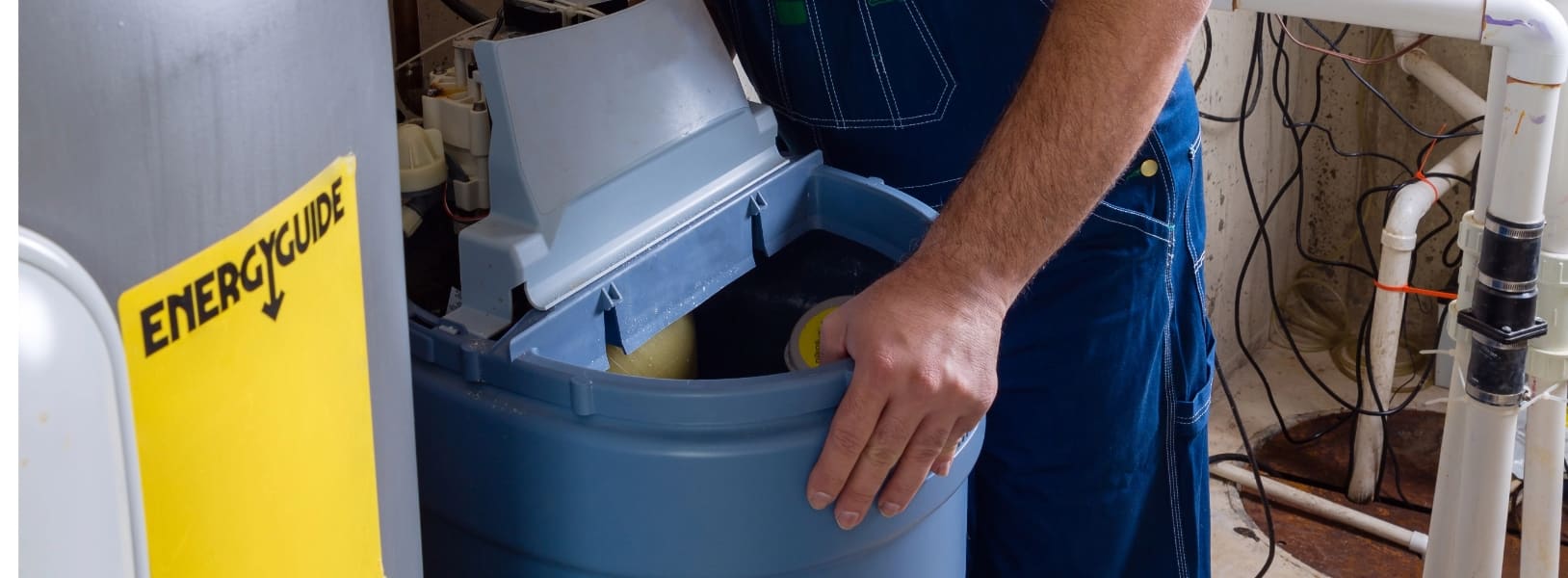
          A water softener works by removing the calcium and magnesium minerals from your water through a process called ion exchange. This not only prevents scale buildup and soap scum but also improves the efficiency of your appliances, extends their lifespan, and reduces maintenance costs. Soft water also enhances the feel and appearance of your laundry and dishes.

          Selecting the right water heater depends on factors like your household size, the hardness level of your water, and your budget. Options range from salt-based systems to salt-free alternatives, each offering different benefits to meet your specific needs.

          Choose S & B Plumbing for Water Softener Needs

          At S & B Plumbing, we understand how frustrating hard water can be for your home and appliances. That’s why we offer expert water softener installation to help you tackle hard water issues head-on. Our team will assess your specific needs and recommend the best water softener system to protect your pipes, improve appliance efficiency, and ensure your water is gentle on your skin and laundry. Contact us today to get started and learn more about our services.
          Filed Under: Plumber

          Pipe corrosion is a hidden threat that can lead to costly repairs and significant damage if not addressed. Understanding what causes corrosion and how to prevent it can save you headaches down the line. In this blog, we’ll explore the factors that contribute to pipe corrosion and provide practical strategies to protect your plumbing. Whether you’re a homeowner or a business owner, these tips will help you keep your pipes in top condition for years to come.

          Pipe Corrosion

          What is Pipe Corrosion?

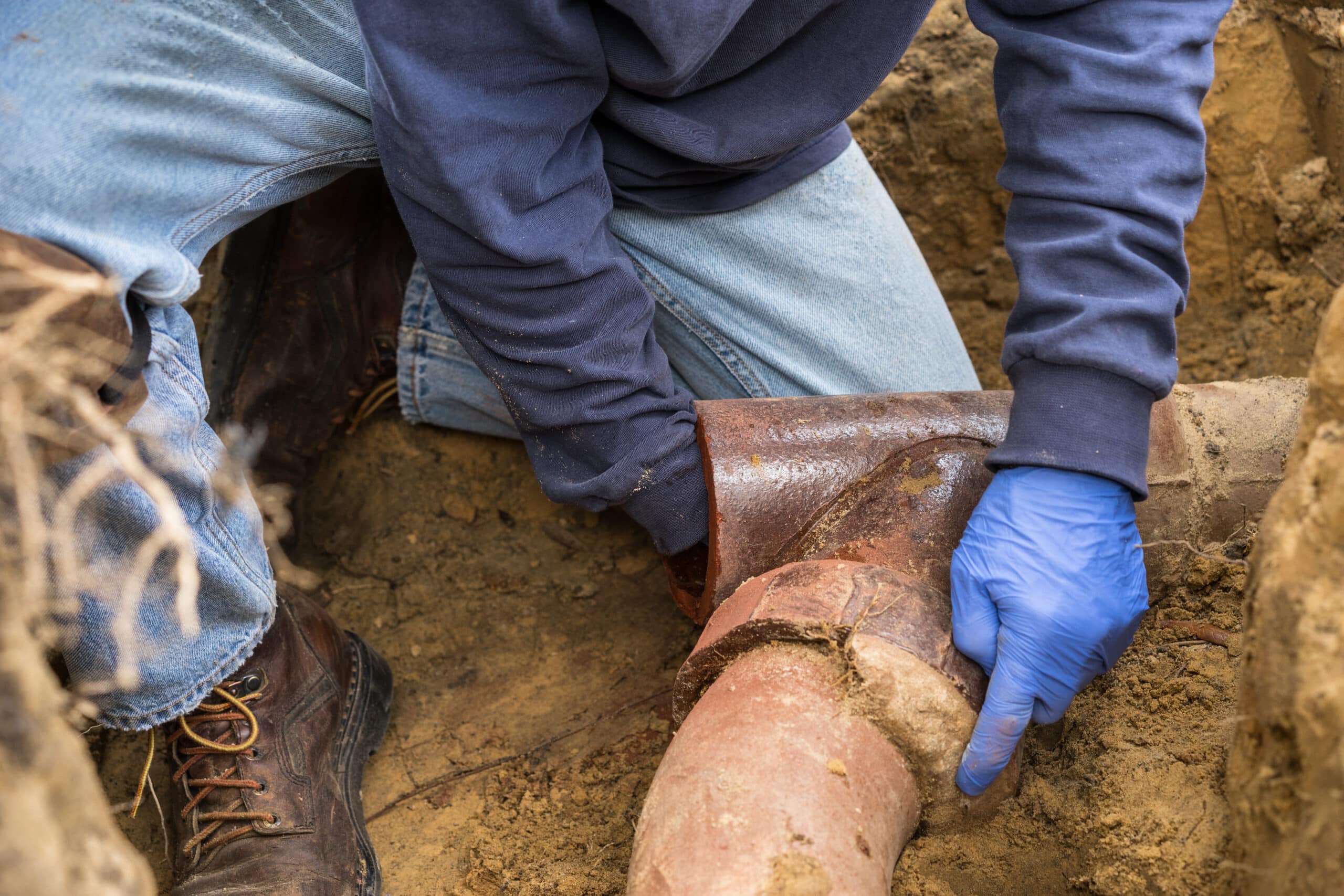
          Pipe corrosion is the gradual degradation of metal caused by chemical reactions between the pipe material and its environment. Over time, this deterioration can compromise the integrity of the pipe, leading to leaks or failures.

          Here are some common types of corrosion:

          • Electrochemical Corrosion: Occurs when metal reacts with its environment, creating an electrochemical cell.
          • Galvanic Corrosion: Happens when two different metals come into contact, with one corroding faster than the other.
          • Pitting Corrosion: A localized form of corrosion resulting in small, deep pits on the pipe surface, which can lead to severe damage if not addressed.

          Causes of Pipe Corrosion

          Some of the most common causes of pipe corrosion include the following:

          • Water Chemistry: Water with high acidity (low pH) or alkalinity (high pH) can accelerate corrosion. Acidic water tends to corrode metal pipes more quickly, while alkaline water may cause scaling, which can lead to localized corrosion.
          • Soil Conditions: Soil composition, moisture levels, and the presence of salts or chemicals can significantly impact buried pipes. Corrosive soils, especially those rich in chloride or sulfate, can cause external corrosion, weakening the pipe over time.
          • Pipe Material: Different materials corrode at varying rates. Copper pipes resist corrosion better than steel but can still suffer from pitting. Steel is highly prone to rust, while plastic pipes are resistant to corrosion but can degrade due to other factors like UV exposure. 
          • Temperature and Pressure: High temperatures accelerate chemical reactions, increasing corrosion rates. Elevated water pressure can exacerbate corrosion by stressing pipe walls, making them more susceptible to damage.

          Identifying Corrosion

          Corrosion often presents visible signs like rust, which appears as reddish-brown patches on metal pipes. Discoloration, such as dark spots or streaks, may also indicate corrosion. Pitting, small but deep holes or depressions on the pipe surface, is a critical sign that the pipe’s integrity is compromised.

          Changes in water flow, such as reduced pressure, can suggest internal corrosion narrowing the pipe’s diameter. Leaks, even small ones, may signal advanced corrosion that has breached the pipe wall. Unusual noises like banging or gurgling sounds could indicate that corroded areas are creating blockages or that pipe walls have weakened, leading to structural instability.

          Pipe Corrosion

          Prevention Strategies

          Here are some strategies to help prevent pipe corrosion:

          • Regular Maintenance: Routine inspections and maintenance are one of the most important ways to prevent pipe corrosion and early detection. Regularly checking pipes for visual signs of rust, leaks, or discoloration allows for timely repairs or replacements, which helps extend the lifespan of the piping system.
          • Water Treatment: Water treatment solutions like softeners or pH neutralizers help balance water chemistry to reduce the risk of corrosion. Softening hard water prevents scaling, while neutralizers correct acidic or alkaline water, minimizing the chemical reactions that lead to corrosion.
          • Proper Pipe Installation: Correct installation practices, including proper sealing and joint alignment, help prevent moisture ingress and electrochemical reactions that cause corrosion. Using the right materials and techniques during installation can significantly reduce future corrosion risks. 
          • Pipe Coatings and Linings: Applying protective coatings or linings inside metal pipes shields them from corrosive elements. These barriers help prevent direct contact between the metal and corrosive substances, thereby reducing the rate of deterioration and prolonging the pipe’s service life.
          • Avoid Corrosive Materials: Opting for non-corrosive materials like plastic or replacing old metal pipes with corrosion-resistant alternatives can prevent corrosion altogether. For existing metal pipes, replacing them before significant corrosion occurs is a proactive approach to avoid system failures.

          Repair and Replacement

          Repairing is appropriate when corrosion is localized and hasn’t significantly weakened the pipe’s structure. Minor issues like surface rust or small leaks can often be resolved with patching, sealants, or localized replacement of corroded sections. Early intervention prevents further deterioration and extends the pipe’s service life, making repairs a cost-effective solution for minor corrosion.

          Replacement becomes necessary when corrosion is widespread and is causing significant damage, such as deep pitting, large leaks, or structural weakness. Indicators for replacement include frequent repairs, reduced water pressure, discolored water, or extensive rust that compromises the entire pipe system. At this stage, replacement is more economical and safer than continuous repairs, as it ensures long-term reliability and prevents potential failures.

          When to Call a Plumber

          Complex corrosion issues require expert evaluation. When repairs are beyond simple fixes or when you’re unsure of the extent of damage, calling a professional is crucial to avoid further complications. S & B Plumbing is a trusted choice for tackling pipe corrosion. With over 25 years of experience, our highly-trained technicians provide fast, reliable service. We offer upfront pricing and handle most issues in a single visit, ensuring your plumbing system is restored quickly and effectively. Contact us today to book your services.

          Filed Under: Plumber

          Knowing how to properly clean your toilet is essential for maintaining a hygienic and pleasant bathroom environment. A clean toilet prevents the buildup of harmful bacteria and unpleasant odors, which can lead to health issues and discomfort. Consistent cleaning also helps prevent stains and mineral deposits that can damage the toilet over time. By keeping your toilet clean, you not only ensure a healthier living space but also extend the lifespan of the fixture, which reduces the need for costly repairs and replacements. This blog will give you some tips on how to properly clean your toilet to make a fresh, functional, and sanitary bathroom for you and your family.

          How to Clean Your Toilet to Avoid Damage

          How to Properly Clean Your Toilet to Avoid Damage

          1. Gather Supplies 

            To effectively clean your toilet, start by collecting the essential cleaning products: toilet bowl cleaner, disinfectant, and an all-purpose cleaner. These products are crucial for tackling different parts of the toilet and ensuring a thorough clean. You’ll also need specific tools, including a toilet brush for scrubbing the bowl, a sponge for cleaning the tank and exterior, microfiber cloths for wiping surface, gloves for hygiene, and a bucket for managing water and cleaner.

            2. Prepare the Area 

              Before you begin to clean your toilet, ensure good ventilation by opening a window or turning on an exhaust fan to avoid inhaling strong fumes. Put on gloves to protect your hands from harsh chemicals. Next, remove any items around the toilet, such as rugs or toilet paper holders, to ensure you can clean all areas thoroughly without obstruction.

              With your supplies gathered and the area prepared, you can proceed to clean the toilet. This preparation ensures that you have everything you need at hand and creates a safe and efficient cleaning environment.

              3. Clean the Toilet Bowl

                To clean your toilet bowl, follow these three major steps:

                1. Applying Cleaner: Start by applying a toilet bowl cleaner around the inside rim of the toilet bowl. Aim to coat the entire bowl, including under the rim where stains and buildup can occur. Use a generous amount of cleaner to ensure thorough coverage. Let it sit for at least 5-10 minutes to allow the cleaner to break down stains and disinfect.
                2. Scrubbing the Bowl: Use a toilet brush to scrub the bowl, starting at the rim and working your way down. Pay special attention to areas under the rim and around the drain, where buildup can accumulate. Use a back-and-forth motion to dislodge any grime, and make sure to scrub all surfaces, including the sides and bottom of the bowl, to remove all stains and residue.
                3. Flushing and Rinsing: AFter scrubbing, flush the toilet to rinse away the cleaner and debris. The flushing action will help wash away loosened grime and residues. If needed, repeat the scrubbing process for stubborn stains. For a final touch, use a clean microfiber cloth to wipe down the exterior parts of the toilet, ensuring everything is clean and dry.

                4. Clean the Toilet Tank and Exterior

                  The tank and exterior of the toilet should also be cleaned well to prevent long-term damage.

                  To clean the inside of the toilet tank, first turn off the water supply and flush the toilet to empty the tank. Use a non-abrasive cleaner or a mixture of vinegar and water to scrub the tank’s interior, focusing on any mineral deposits or stains. For the exterior, use an all-purpose cleaner to wipe down the surface. Be sure to clean the tank’s lid and the area where the tank meets the bowl.

                  To clean the exterior of the toilet, clean the toilet seat, lid, and outer surfaces using a disinfectant or all-purpose cleaner. Wipe these areas with a sponge or microfiber cloth, ensuring that you reach all corners and crevices. Pay special attention to the seat hinges and the area where the seat attaches to the toilet, as these spots can harbor grime.

                  How to Properly Clean Your Toilet to Avoid Damage

                  5. Maintain a Regular Cleaning Schedule

                    Maintaining a regular cleaning schedule is important in maintaining hygiene and preventing buildup. The toilet should be cleaned at least once a week, and for households with higher usage or hard water issues, you may want to consider cleaning more frequently to manage stains and odors effectively.

                    In addition to regular cleaning, use a toilet bowl cleaner and disinfectant regularly. Consider placing a toilet tank cleaner tablet to help prevent stains and mineral deposits. You should also inspect and clean high-touch areas like the flush handle frequently to minimize germs, and regularly check for and address any leaks or issues to keep the toilet in good working order.

                    Choose S & B Plumbing for Plumbing Needs

                    S & B Plumbing offers expert plumbing services with a focus on efficient and reliable toilet repair. Our experienced technicians handle a range of issues, from minor leaks and clogs to complex repairs and installations. We offer prompt, professional service, using high-quality parts and advanced techniques to address problems and restore optimal functionality. Contact us today to learn more about our services and get yours scheduled.

                    Filed Under: Plumber

                    • « Previous Page
                    • 1
                    • …
                    • 18
                    • 19
                    • 20
                    • 21
                    • 22
                    • …
                    • 51
                    • Next Page »

                    Address & Hours

                    Billing Address

                    691 N. 2075 W. Suite A

                    Marriott-Slaterville, UT 84404

                    Utah - (801) 528-4999

                    sbputah@gmail.com

                    Plumbing Services:

                    24/7


                    Office Hours:

                    M-TH 8am-5pm

                    Fri 8am-4pm

                    Directions

                    Follow Us

                    Contact Us

                    This field is for validation purposes and should be left unchanged.

                    2026 | S & B Plumbing | All Rights Reserved | Privacy Policy | Terms | XML Sitemap | Sitemap | Site by PDM