Call Anytime 24/7
tankless water heaters, Utah

S & B Plumbing

801-528-4999 Book Now Customer Loyalty Program
  • Plumbing
        • Bathroom Remodeling
        • Emergency Plumber
        • Faucet Repair
        • Frozen Water Line
        • Gas Line Install & Repair
        • Hose Bibbs
        • Garbage Disposal
        • Kitchen Remodeling
        • Main Water Line
        • New Construction
        • Repiping
        • Sink Repair
        • Stop and Waste Valve
        • Sump Pumps
        • Toilet Repair
        • Water Filtration System
        • Water Leak Detection & Repair
        • Commercial Plumbing
        • Commercial Drain Cleaning
        • Backflow Testing
  • Water Heaters
    • Tankless Water Heater
  • Water Softener
  • Drain & Sewer
  • Industries We Serve
    • Residential 
      • Single-Family Homes
      • Apartment Complex Plumbing
      • Condominiums And Townhouses
    • Industrial
      • Manufacturing Plants
      • Warehouses and distribution centers
      • Automotive Facilities
    • Healthcare
      • Hospitals
      • Nursing Homes And Assisted Living Facilities
      • Clinics And Outpatient Centers
      • Dental Offices
      • Medical Offices
    • Municipal and Government
      • Public Buildings
      • Libraries
      • Parks and Recreational Facilities
    • Hospitality and Entertainment
      • Hotels and Resorts
      • Theaters and Performance Venues
      • Stadiums and Arenas
      • Event Venues and Convention Centers
    • Real Estate and Property Management
      • Property Management Companies
      • Real Estate Developers
      • Rental Property Services
    • Utilities & Infrastructure
      • Water Treatment Facilities
  • About Us
    • Service Area
    • Blog
    • Reviews
    • Contact Us
    • Schedule a Plumbing Service
    • Careers
    • Customer Loyalty Program
    • Coupons
  • Recent Projects

How to Properly Maintain Your Garbage Disposal

Home | Plumber | Page 21

Knowing how to properly maintain your garbage disposal is crucial for ensuring its efficient operation and longevity. By keeping the unit clean and addressing minor issues promptly, you prevent clogs, odors, and damage that could lead to costly repairs. A well-maintained disposal unit not only improves the functionality of your kitchen but also enhances hygiene and reduces unpleasant smells. This blog will give you tips on how to properly maintain your garbage disposal to extend the lifespan of it and ensure a smoother, trouble-free experience. 
How to Properly Maintain Your Garbage Disposal

Regular Cleaning

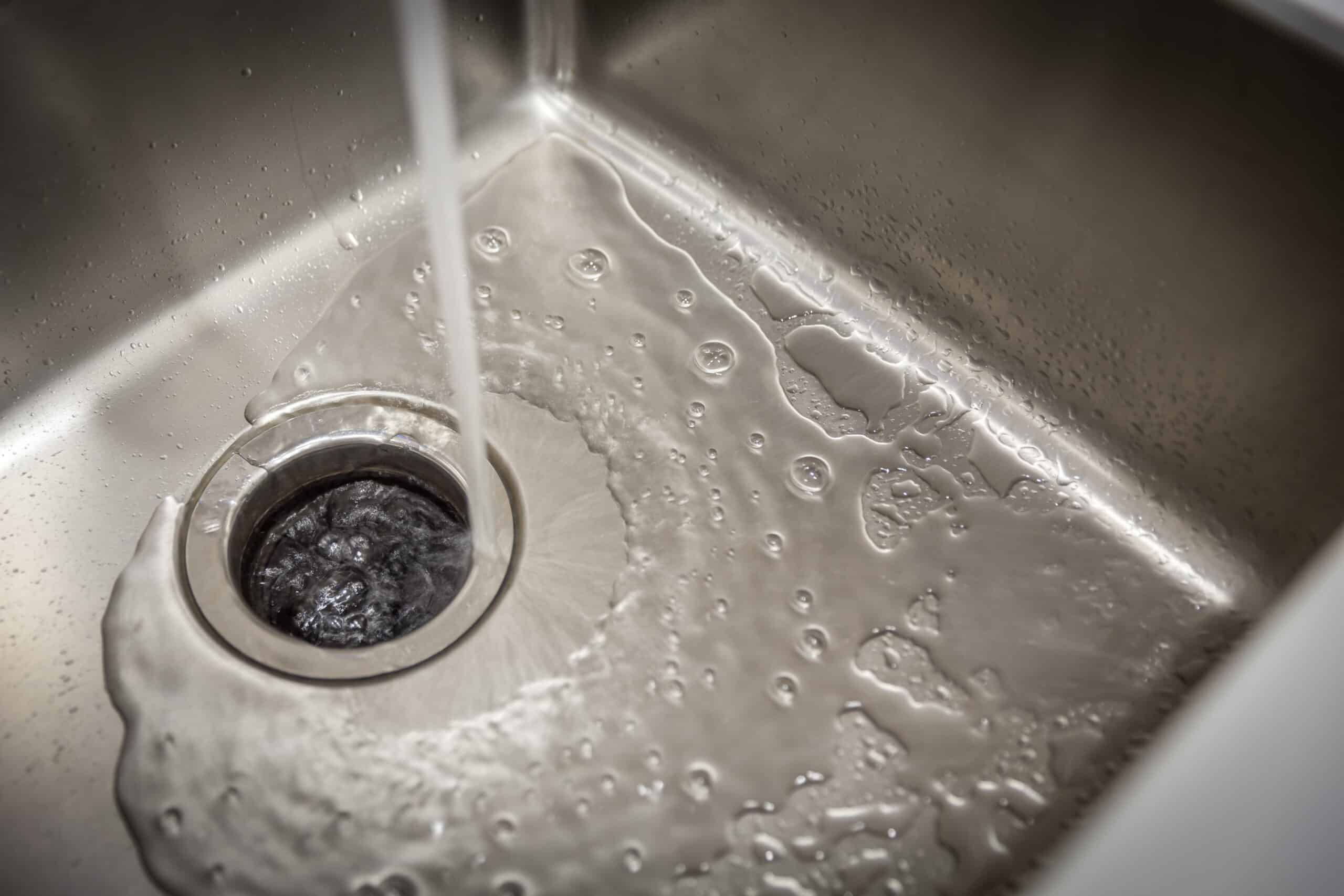
Regular cleaning is one of the most important ways to maintain your garbage disposal. Running water after each use is crucial for maintaining your disposal because it helps flush out food particles and prevents them from sticking to the blades and interior. This simple habit reduces the buildup of debris and minimizes unpleasant odors, keeping your disposal running smoothly.

For a thorough clean, perform a deep clean once a month. You can use baking soda and vinegar to break down grime and neutralize odors. Pour half a cup of baking soda followed by half a cup of vinegar into the disposal, let it sit for 10-15 minutes, then rinse with hot water. To further enhance freshness, grind ice cubes in the disposal to dislodge residue and sharpen blades. Adding citrus peels, like lemon or orange, can also freshen the disposal and leave a pleasant scent. Regular deep cleaning keeps your disposal efficient and odor-free.

Proper Usage

Here are a few tips about proper usage to maintain your garbage disposal:

  1. What to Put Down the Disposal: You can safely dispose of soft fruits, vegetables, and small food scraps in your garbage disposal. These items break down easily and won’t damage the blades or clogs your pipes. Items like apple cores, potato peels, and small quantities of cooked meat are generally safe.
  2. What Not to Put Down the Disposal: Avoid putting grease, bones, coffee grounds, and fibrous vegetables down the disposal. Grease can solidify and cause clogs, bones can damage the blades, and coffee grounds create sludge that can block pipes. Fibrous vegetables can tangle around the blades and cause jams.
  3. Avoiding Overloading: Feed the disposal gradually to prevent overloading. Putting too much food at once can overwhelm the system, leading to clogs or jams. Adding small amounts at a time and allowing the disposal to grind thoroughly ensures efficient operation and reduces the risk of issues.

Troubleshooting Common Issues
How to Properly Maintain Your Garbage Disposal

Disposal Not Turning On

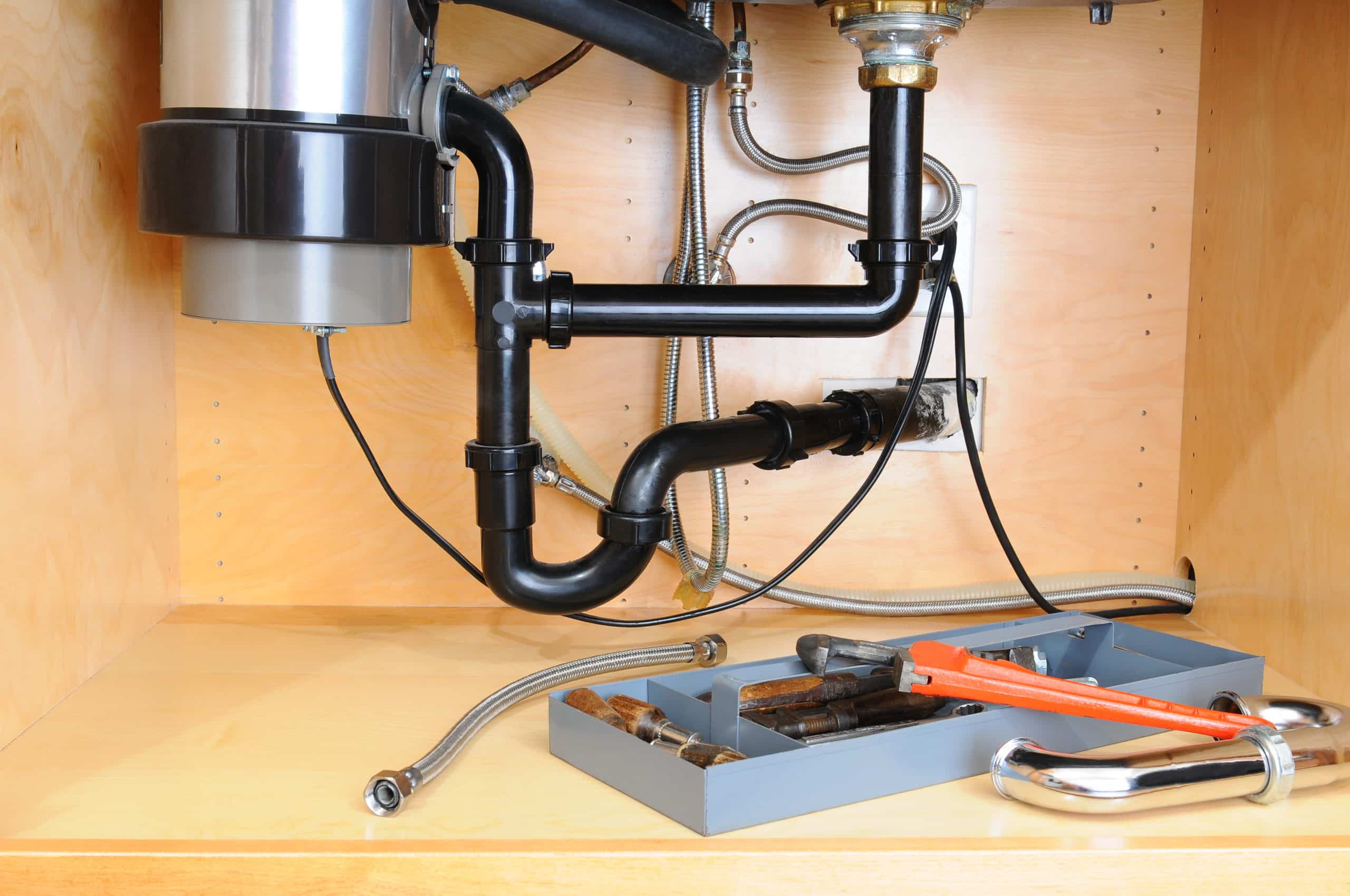
If your garbage disposal isn’t turning on, first check if it’s plugged in and ensure the power switch is on. A common issue is a tripped reset button located on the bottom of the unit. Press it to reset. If the disposal still doesn’t start, it might be due to a faulty switch, a broken motor, or an electrical issue. In such cases, consult a professional for further diagnosis and repair.

Disposal Making Unusual Noises

Unusual noises, like grinding or rattling, often indicate debris or foreign objects caught in the disposal. Turn off the power and use tongs to remove any visible obstructions. If noises persist, they could signal worn-out or damaged components, such as the flywheel or blades. In this case, professional servicing may be required to address the underlying issue and prevent further damage.

Professional Care

Seek professional help if your garbage disposal exhibits persistent issues like unusual noises, frequent jams, or if it fails to start despite troubleshooting. If you notice leaks that you can’t fix or if the unit is emitting a foul odor that doesn’t improve with cleaning, a professional should inspect the system to prevent further damage.

Scheduling annual inspections with a professional plumber offers several benefits. Regular check-ups can catch minor issues before they become major problems, which ensures the disposal operates efficiently. Professionals can perform thorough cleanings, check for wear and tear, and make necessary adjustments or repairs. This proactive approach helps extend the lifespan of your disposal and maintains optimal performance, ultimately saving you time and money on unexpected repairs.
How to Properly Maintain Your Garbage Disposal

Choose S & B Plumbing for Plumbing Repairs

S & B Plumbing offers comprehensive plumbing services, including expert garbage disposal repair. Our skilled technicians handle a range of issues, from minor clogs to major repairs, to ensure your disposal functions efficiently. With a focus on prompt and reliable service, S & B Plumbing provides solutions tailored to your needs, utilizing top-quality parts and techniques. Our commitment to customer satisfaction ensures that your plumbing systems, including garbage disposals, are maintained in excellent condition. Contact us today to get your services scheduled and get the peace of mind that your plumbing systems are functioning correctly.
Filed Under: Plumber

Hard water on toilets is more than just a minor inconvenience—it can significantly impact your home’s plumbing and toilet system. As water rich in minerals like calcium and magnesium flows through your pipes and fixtures, it leaves behind stubborn deposits that can cause everything from unsightly stains to costly repairs. Understanding how hard water affects your toilet and plumbing is crucial for maintaining your home’s efficiency and longevity. Keep reading to learn more about the effects of hard water and discover practical tips to protect your plumbing system and keep your toilet functioning flawlessly.

The Impact of Hard Water on Toilets and Plumbing

What is Hard Water?

Hard water contains high levels of dissolved minerals, primarily calcium and magnesium. These minerals are picked up by water as it passes through soil and rock formations. Hard water can cause mineral buildup in pipes and appliances, leading to inefficiencies and damage over time.

Hard water typically enters your home through groundwater sources, such as wells, or through municipal water systems that have high mineral content. As water travels from these sources, it carries dissolved minerals that contribute to its hardness. Over time, this can result in scale buildup on fixtures and in appliances, affecting their performance and lifespan.

Effects of Hard Water on Toilets

Here are some of the biggest effect of hard water on toilets:

  • Mineral Deposits and Stains: Hard water on toilets causes calcium and lime to accumulate in the toilet bowl, which forms unsightly mineral deposits and stains. These deposits can be challenging to remove and discolor the bowl over time, affecting its appearance.
  • Reduced Flush Efficiency: Mineral buildup around the rim and in the flush mechanisms can impair the flushing performance of the toilet. This accumulation creates obstructions that reduce the water flow, which make it harder for the toilet to clear waste effectively with each flush.
  • Frequent Clogging: The mineral deposits from hard water can contribute to clogs by narrowing the pipes and accumulating in the trap. This buildup restricts water flow, leading to frequent blockages and requiring more frequent maintenance to keep the toilet functioning properly.

Effects of Hard Water on Plumbing Systems

These are some of the effects of hard water on general plumbing systems:

  • Scale Buildup in Pipes: Mineral deposits from hard water accumulate inside pipes, forming scale that narrows the passageways. This buildup restricts water flow, reduces efficiency, and can lead to decreased water pressure and uneven water distribution throughout the home.
  • Reduced Water Heater Efficiency: Scale buildup in water heaters insulates heating elements, making them work harder to heat water. This reduces the unit’s efficiency, increases energy consumption, and shortens the lifespan of the heater, leading to higher utility bills and more frequent replacements. 
  • Increased Plumbing Repairs: Hard water contributes to frequent plumbing issues, including clogs, leaks, and system failures. The mineral deposits can corrode pipes and fixtures, leading to more costly repairs and maintenance. Over time, these issues can escalate, resulting in higher repair costs and potentially extensive damage to the plumbing system.

Prevention and Treatment Solutions

There are a few ways to prevent and treat hard water buildup:

1. Installing a Water Softener 

    A water softener helps prevent hard water issues by removing calcium and magnesium from the water supply. Types include ion-exchange systems, which replace minerals with sodium or potassium, and salt-free systems, which alter mineral structure to reduce scaling. Installing a water softener improves water quality and extends the lifespan of plumbing and appliances.

    The Impact of Hard Water on Toilets and Plumbing

    2. Regular Cleaning and Maintenance 

      To manage mineral deposits, regularly clean toilets and pipes with vinegar or specialized descaling solutions. Scrub toilet bowls and use brushes or tools to clean buildup in pipes. Routine maintenance prevents heavy deposits and ensures efficient operation of plumbing systems.

      3. Using Descaling Products 

        Descaling products, such as liquid cleaners and powders, effectively tackle hard water stains. Apply these products to affected areas according to the manufacturer’s instructions. They dissolve mineral deposits, restore surface cleanliness, and help maintain the efficiency of appliances and fixtures.

        4. Professional Assistance

          Contact a plumber if you notice persistent hard water problems, such as frequent clogs, reduced water pressure, or visible scale buildup. These issues may indicate serious underlying problems that require expert intervention.

          Choose S & B Plumbing for Professional Plumbing Services

          S & B Plumbing delivers comprehensive plumbing services with a focus on reliability and customer satisfaction. Our skilled team handles a wide range of issues, including pipe repairs, fixture installation, and water heater services. With expertise in diagnosing and resolving plumbing problems efficiently, S & B Plumbing ensures high-quality solutions for both routine maintenance and emergency repairs. Contact us today to learn more about our services and get your services scheduled.

          Filed Under: Plumber

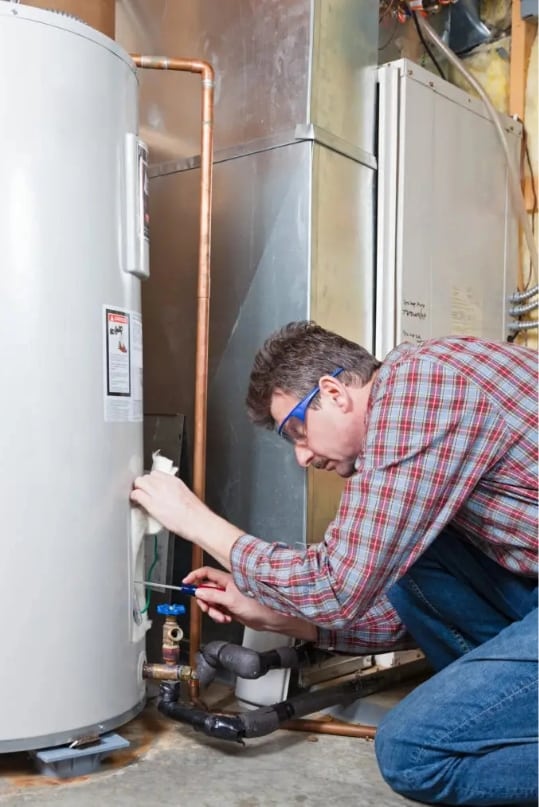
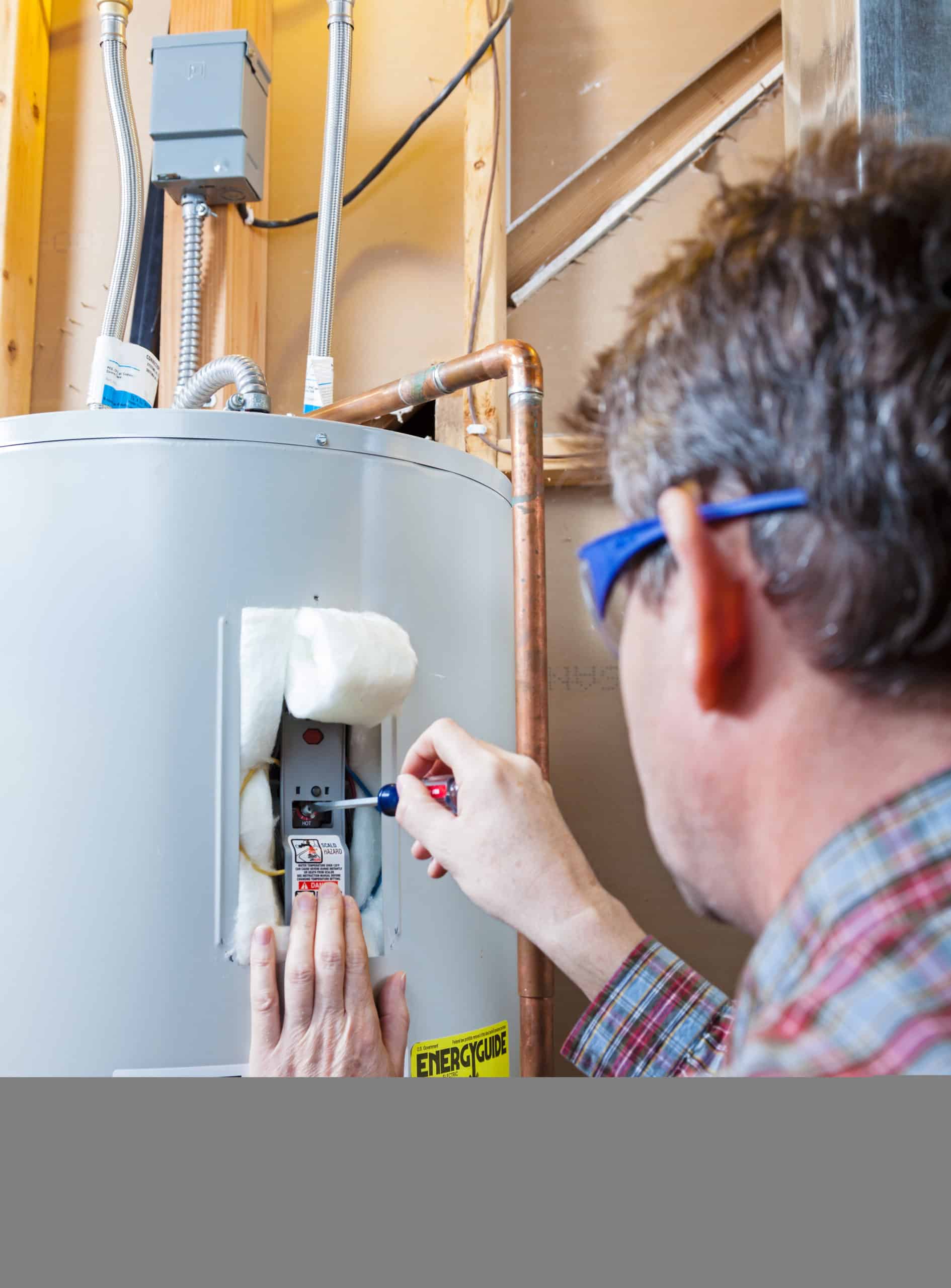
          Promptly addressing when your water heater is leaking is crucial to prevent significant damage and costly repairs. Leaks can lead to water damage to floors, walls, and surrounding areas, and may also cause mold growth and structural issues. If left unchecked, a small leak can quickly escalate into a major problem, affecting the water heater’s efficiency and potentially leading to more extensive repairs or replacement. Timely intervention helps mitigate these risks, ensuring your home remains safe and your water heater operates effectively.

          What to Do When Your Water Heater is Leaking

          Identify the Source of the Leak

          Begin by inspecting the area around the water heater for any obvious signs of leakage. Look for water pooling on the floor or dampness around the base of the unit, and pay attention to any wet spots or corrosion, which can indicate where the water is escaping.

          Next, you’ll need to determine where your water heater is leaking from. You should check common areas where leaks occur, such as the tank itself, the connections where pipes meet the heater, or the valves that control water flow. Check for signs of wear, loose fittings, or corrosion in these areas, as they are typical sources of leaks.

          You should also evaluate whether the leak is minor or severe. Minor leaks might be manageable with simple repairs or adjustments, while major leaks could signify significant issues requiring immediate attention. If the leak is substantial, it is crucial to shut off the water supply and seek professional help to prevent further damage and address the underlying problem effectively.

          Immediate Actions to Take When Water Heater is Leaking

          Here are some of the immediate actions to take when your water heater is leaking:

          1. Turn Off the Water Supply: Locate the main water shutoff valve, typically found near the water heater or at the main water line entry into your home. Turn the valve clockwise to close it and stop the flow of water to the heater. This step is crucial to prevent further leakage and minimize damage.
          2. Power Down the Heater: If you have an electric water heater, turn off the power at the circuit breaker to avoid electrical hazards. For gas heaters, turn the gas valve to the “off” position. This prevents the risk of electrical shock or gas leaks while addressing the water heater issue.
          3. Drain the Tank (If Necessary): If the leak is severe, you may need to drain the tank to manage excess water and reduce damage. Attach a garden hose to the drain valve at the bottom of the tank, direct the hose to a safe drainage area, and open the valve to allow water to flow out. Ensure the tank is fully drained before proceeding with repairs or professional assistance.

          Temporary Fixes for Leaking Water Heater

          Here are a few temporary fixes when your water heater is leaking:

          • Use Leak Sealant or Tape: Apply a leak sealant or plumber’s tape around the leak as a temporary measure to minimize water flow. Sealants can help stop small leaks by creating a watertight barrier, while tape can cover and seal small cracks or gaps. These methods provide a short-term solution until a permanent repair can be made.
          • Place a Bucket or Tarp: Position a bucket or tarp under the leak to catch dripping water and protect your flooring from water damage. This prevents water from spreading and causing damage to surrounding areas, buying you time to address the problem more thoroughly.

          Inspect and Repair

          Inspect the water heater for common problems such as loose fittings, damaged valves, or signs of corrosion. Tightening loose connections and replacing damaged components can sometimes resolve minor leaks. If you’re comfortable with basic repairs, replace faulty parts like valves or heating elements, and ensure you follow proper procedures and safety measures.

          What to Do When Your Water Heater is Leaking

          If the leak persists or if you’re unsure about performing repairs, contact a professional plumber or technician. They can accurately diagnose the issue and perform the necessary repairs to restore your water heater to proper working condition.

          Prevent Future Leaks

          Here are a few things you can do to prevent future leaks:

          1. Regular Maintenance: Schedule annual inspections and routine maintenance for your water heater to catch issues early and ensure optimal performance. Regular upkeep helps prevent leaks and prolongs the life of the unit.
          2. Install a Water Leak Detector: Install a water leak detection system to receive early alerts about leaks. This proactive measure allows for quick action to address issues before they cause significant damage.
          3. Upgrade to a New Heater (if needed): Consider replacing an old or failing water heater. Newer models are more efficient and less prone to leaks, reducing the risk of future issues and improving overall reliability.

          Choose S & B Plumbing for Plumbing Needs

          S & B Plumbing offers expert plumbing services with a focus on water heater repair and replacement. Our skilled technicians handle a range of water heater issues, from minor repairs to complement replacements, ensuring efficient and reliable solutions. S & B Plumbing uses high-quality parts and advanced techniques to address problems promptly, whether dealing with leaks, heating issues, or outdated units. Contact us today to get your replacement scheduled and learn more about our other services.

          Filed Under: Plumber

          • « Previous Page
          • 1
          • …
          • 19
          • 20
          • 21
          • 22
          • 23
          • …
          • 51
          • Next Page »

          Address & Hours

          Billing Address

          691 N. 2075 W. Suite A

          Marriott-Slaterville, UT 84404

          Utah - (801) 528-4999

          sbputah@gmail.com

          Plumbing Services:

          24/7


          Office Hours:

          M-TH 8am-5pm

          Fri 8am-4pm

          Directions

          Follow Us

          Contact Us

          This field is for validation purposes and should be left unchanged.

          2026 | S & B Plumbing | All Rights Reserved | Privacy Policy | Terms | XML Sitemap | Sitemap | Site by PDM