Call Anytime 24/7
tankless water heaters, Utah

S & B Plumbing

801-528-4999 Book Now Customer Loyalty Program
  • Plumbing
        • Bathroom Remodeling
        • Emergency Plumber
        • Faucet Repair
        • Frozen Water Line
        • Gas Line Install & Repair
        • Hose Bibbs
        • Garbage Disposal
        • Kitchen Remodeling
        • Main Water Line
        • New Construction
        • Repiping
        • Sink Repair
        • Stop and Waste Valve
        • Sump Pumps
        • Toilet Repair
        • Water Filtration System
        • Water Leak Detection & Repair
        • Commercial Plumbing
        • Commercial Drain Cleaning
        • Backflow Testing
  • Water Heaters
    • Tankless Water Heater
  • Water Softener
  • Drain & Sewer
  • Industries We Serve
    • Residential 
      • Single-Family Homes
      • Apartment Complex Plumbing
      • Condominiums And Townhouses
    • Industrial
      • Manufacturing Plants
      • Warehouses and distribution centers
      • Automotive Facilities
    • Healthcare
      • Hospitals
      • Nursing Homes And Assisted Living Facilities
      • Clinics And Outpatient Centers
      • Dental Offices
      • Medical Offices
    • Municipal and Government
      • Public Buildings
      • Libraries
      • Parks and Recreational Facilities
    • Hospitality and Entertainment
      • Hotels and Resorts
      • Theaters and Performance Venues
      • Stadiums and Arenas
      • Event Venues and Convention Centers
    • Real Estate and Property Management
      • Property Management Companies
      • Real Estate Developers
      • Rental Property Services
    • Utilities & Infrastructure
      • Water Treatment Facilities
  • About Us
    • Service Area
    • Blog
    • Reviews
    • Contact Us
    • Schedule a Plumbing Service
    • Careers
    • Customer Loyalty Program
    • Coupons
  • Recent Projects

Water is Not Getting Hot Enough? 5 Possible Reasons Why

Home | Plumber | Page 19

Is your morning shower feeling more like a lukewarm dip? We’ve all experienced that frustrating moment when the hot water runs out or just isn’t hot enough. Whether it’s a chilly wake-up call or a struggle to wash dishes, insufficient hot water can disrupt your daily routine. Let’s explore the common reasons why your water is not getting hot enough, and how you can troubleshoot the issue for a cozy, hot water experience.

Why Your Water is Not Getting Hot Enough
Water is Not Getting Hot Enough? 5 Possible Reasons Why

1. Thermostat Settings are Too Low

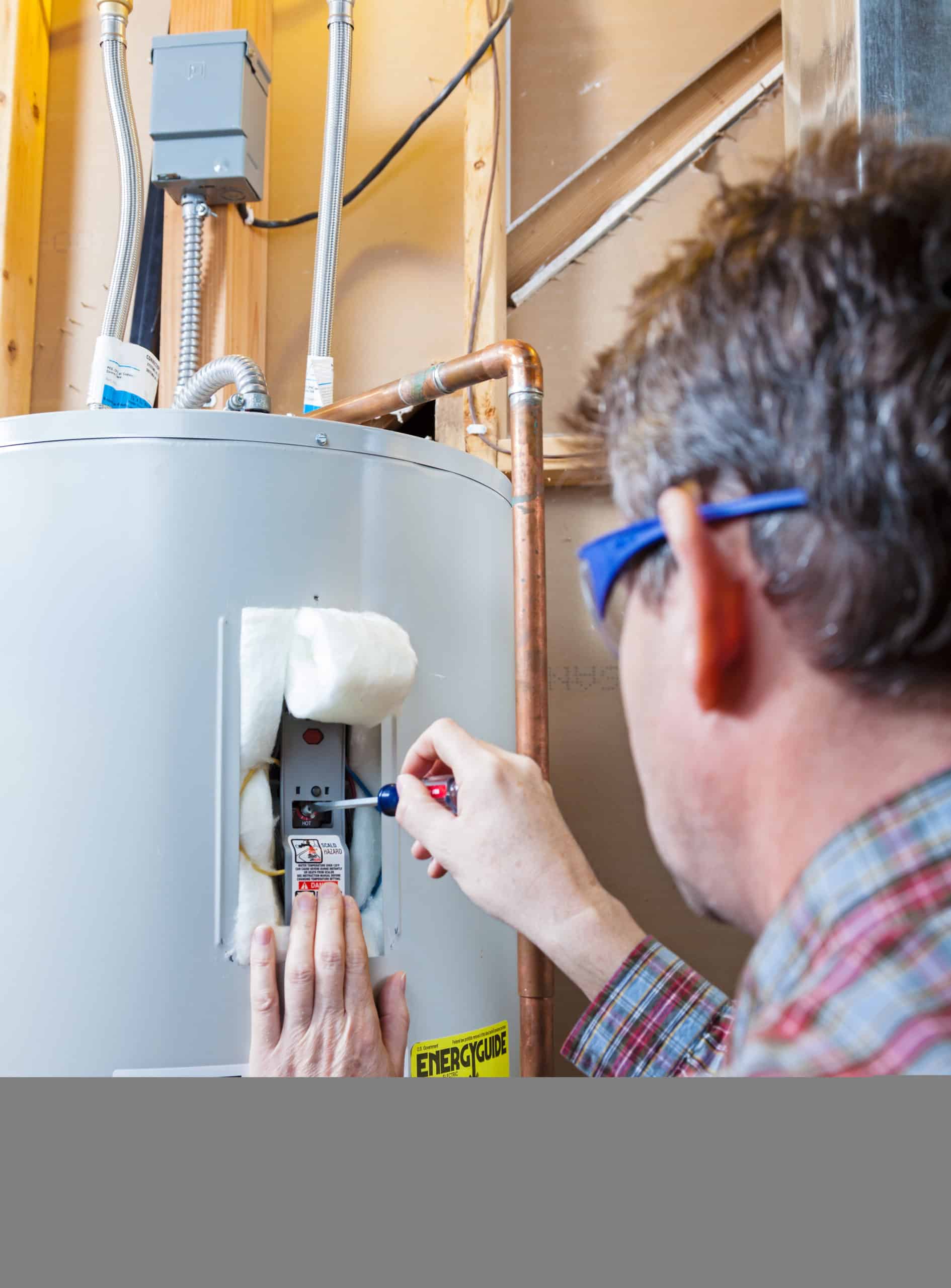
If your water is not getting hot enough, the first thing to check is the thermostat setting on your water heater. Often, the thermostat may be set too low, which can lead to lukewarm water instead of the desired hot temperature. Most water heaters have an adjustable thermostat, typically located on the front panel of the unit. The ideal temperature setting is between 120-140 degrees Fahrenheit, which ensures enough heat for daily tasks while minimizing the risk of scalding and reducing energy consumption. 

To troubleshoot, start by turning off the power or gas supply to the water heater. Open the access panel, and locate the thermostat, and adjust it to the recommended temperature range. Close the panel, restore power, and allow the water heater time to heat up again. If adjusting the thermostat doesn’t solve the problem, there could be other underlying issues such as a faulty heating element. 

2. Sediment Buildup in the Tank

Sediment buildup is a common issue that can be the reason why your water is not getting hot enough. Over time, minerals like calcium and magnesium found in hard water settle at the bottom of the tank, creating a layer of sediment. This layer acts as a barrier between the heating element and the water, which reduces the heater’s efficiency and causes the water to not reach its desired temperature. The thicker the sediment, the harder your water heater has to work, potentially leading to higher energy bills and even damage to the tank.

To address this problem, it’s crucial to flush the water heater regularly, ideally once or twice a year. Begin by turning off the power or gas supply and attaching a hose to the drain valve at the bottom of the tank. Open the valve and let the water drain, allowing the sediment to be flushed out. Afterward, close the valve, refill the tank, and restore power. This maintenance step can significantly improve heating efficiency and extend the life of your water heater.

3. Failing Heating Element (Electric Water Heaters)

In electric water heaters, the heating element is responsible for warming the water. Over time, these elements can burn out or become damaged, which reduces the water heater’s ability to produce hot water and leaves you wondering why your water is not getting hot. If your water is lukewarm or not heating at all, a failing element might be the culprit. Electric water heaters usually have two heating elements—one at the top and one at the bottom—and either can fail, impacting the heater’s overall performance.

The first step in fixing this issue is to turn off the power supply at the circuit breaker. Then, use a multimeter to test the heating element’s continuity. If there’s no reading, the element is likely burned out and needs to be replaced. Replacing a heating element can be done by draining the tank, unscrewing the faulty element, and installing a new one. If you’re not comfortable performing this task, it’s wise to contact a professional to ensure repair is done correctly and safely.

4. Pilot Light or Burner Issue (Gas Water Heaters)
Water is Not Getting Hot Enough? 5 Possible Reasons Why

In gas heaters, the pilot light and burner are essential for heating water. If the pilot light goes out or the burner malfunctions, your water heater won’t be able to heat water effectively, resulting in lukewarm or cold water. A blown-out pilot light is a common issue and can be caused by a draft, dirt buildup, or a faulty thermocouple.

To troubleshoot, first check if the pilot light is out. If it is, turn off the gas and wait a few minutes. Next, follow the manufacturer’s instructions to relight it—typically by holding down the gas control knob and using a long lighter to ignite the pilot. If the pilot doesn’t stay lit, the thermocouple may need cleaning or replacement. If the burner isn’t working properly, you may notice uneven heating or soot buildup, which may require professional cleaning or inspection to ensure safe and efficient operation.

5. Water Heater Size Too Small for Demand

If your water heater is too small for your household’s hot water demands, it may struggle to provide enough hot water. This is common in larger households where multiple showers, laundry, and dishwashing may occur simultaneously. Water heaters come in various sizes, typically measured in gallons, and should be matched to your household’s needs. For example, a 40-gallon water heater may be sufficient for a family of four, but larger families or homes with high water usage may require a 50- or 75-gallon model.

You should monitor your hot water usage patterns to address this. If you consistently run out of hot water, consider upgrading to a larger tank or tankless water heater, which can provide continuous hot water on demand.

Choose S&B Plumbing for Water Heater Issues

S&B Plumbing can help you by diagnosing and fixing water heater issues to ensure your home always has reliable hot water. Whether it’s a faulty thermostat, sediment buildup, or a malfunctioning heating element, our expert team can quickly assess and repair the problem. S&B Plumbing also offers water heater replacements, tankless water heaters, and maintenance services to keep your system running efficiently. Contact us today for prompt, professional service.

Filed Under: Plumber

Knowing how to flush and clean your water heater are crucial for maintaining its performance and longevity. Regular flushing prevents sediment buildup, which can hinder water flow and reduce heating efficiency. By removing these deposits, you not only enhance the energy efficiency of your water heater but also ensure it operates more effectively. Routine cleaning also helps extend the lifespan of your unit, minimizing the risk of costly repairs or premature replacement. Regular maintenance keeps your water heater running smoothly and efficiently, ultimately saving you money in the long run.

Safety Precautions

Before starting any maintenance on your water heater, always turn off the power supply or gas to ensure safety. Allow the unit to cool down to avoid burns or injuries from hot water. Make sure to gather all necessary tools and supplies, such as a hose, bucket, and cleaning agents, to efficiently complete the task. These precautions will help you perform the maintenance safely and effectively, protecting both yourself and your equipment.

How to Flush and Clean Your Water Heater

How to Flush and Clean Your Water Heater: A Step-by-Step Guide

Step 1: Turn Off the Water Heater

The first step to flush and clean your water heater is to turn it off. For electric water heaters, locate your home’s electrical panel and find the circuit breaker dedicated to the water heater. Flip the breaker switch to the “Off” position. This disconnects the power supply and prevents any electrical hazards while you work. 

For gas water heaters, locate the gas valve on the water heater, which is usually found near the bottom of the unit. Turn the valve to the “Off” position to stop the gas flow and ensure that no gas is being supplied to the burner.

Turning off the water heater, whether electric or gas, is crucial for safety. It prevents any risk of electric shock or gas leaks while performing maintenance.

Step 2: Connect a Hose to the Drain Valve

The next step to flush and clean your water heater is to find the drain valve on your water heater, usually positioned near the bottom of the tank. It’s typically a small, round valve with a spigot or faucet-like appearance. Screw one end of a garden hose onto the drain valve, and ensure it is tightly secured to prevent leaks. Extend the hose to a suitable drainage area, such as a floor drain, sink, or outside, and make sure the hose is positioned so that the water can flow freely without causing spills or backups.

Step 3: Drain the Tank

Slowly open the drain valve using a wrench or by hand, depending on the type of valve, and allow the water to begin flowing through the hose. Ensure the hose is securely positioned to avoid spills, and be prepared for a strong flow of hot water and sediment. 

As the tank drains, you might notice sediment or debris coming out with the water. This is normal and indicates that your cleaning is removing built-up material. If the flow slows down or stops, the hose or drain valve may be partially blocked. Gently move the hose or use a broom handle to stir up the sediment, which can help clear the blockage. Be cautious as the water is hot and can cause burns, and ensure the area is well-ventilated.

Step 4: Flush the Tank

To flush the tank, turn on the cold water supply while keeping the drain valve open to rinse out sediment. Let the water flow for several minutes until it runs clear, indicating that most sediment has been removed. Once the water is clear, you will need to shut the drain valve and detach the hose.

Step 5: Close the Drain Valve and Refill the Tank

How to Flush and Clean Your Water Heater: A Step-by-Step Guide

Firmly tighten the drain valve to prevent leaks, and double-check that it’s completely closed to avoid any drips or spills. To refill the tank, gradually turn on the cold water supply, and watch for signs of water flow to ensure it’s filling properly. Inspect the drain valve and other connections for any leaks as the tank fills and tighten any fittings if necessary.

Open a hot water faucet in the house to let trapped air escape and ensure proper water flow. Once the tank is full and there are no leaks, turn the power or gas back on and allow the water to reach its operating temperature.

Step 6: Check for Proper Operation

Once the power is switched back on for electric heaters or the pilot is relit for gas heaters, check that the water starts heating properly. You should see or hear signs or operation, such as the sound of heating elements or gas burner ignition.

Pay attention to any strange sounds like banging or popping, which could indicate residual sediment or other issues. Inspect all connections and the area around the heater for any signs of leaks, and test the hot water temperature at a faucet to ensure it’s reaching the desired level,

Finally, make sure the pressure relief valve is functioning correctly and there’s no excessive pressure in the tank. Make sure to keep an eye on the heater for any signs of water pooling or other irregularities.

Water Heater Maintenance With S & B Plumbing

By following these steps, you can effectively flush and clean your water heater. For more technical repairs and maintenance, it may be best to have a plumber do the job for you. S & B Plumbing specializes in water heaters and can help you get it functioning properly in no time. Contact us today to book your appointment.

Filed Under: Plumber

Tired of those surprising plumbing bills? Knowing how to save money on plumbing bills doesn’t have to be a mystery. With a few smart strategies and simple maintenance tips, you can keep costs down while ensuring your plumbing system runs smoothly. From easy fixes to long-term upgrades, we’ll show you how to tackle common issues and prevent costly repairs, helping you get more out of every dollar spent.

8 Tips to Save Money on Plumbing Bills

How to Save Money on Plumbing Bills: 8 Tips and Tricks

1. Regular Maintenance

Regular maintenance helps you stay on top of potential issues that may require costly repairs or replacements if left unchecked. Early detection of leaks, corrosion, or blockages can prevent major damage and extend the life of your plumbing system, saving you money in the long run.

Homeowners can perform simple tasks like cleaning drains to prevent clogs, checking for leaks under sinks, and inspecting visible pipes for corrosion or damage. These small steps can reduce the need for professional repairs and keep plumbing costs down.

2. Address Small Issues Promptly

Leaky faucets and running toilets may seem insignificant, but they waste water and increase your bills over time. Small issues often escalate into major problems if left unaddressed. For instance, a leaky faucet can lead to higher water bills, while an unchecked running toilet can waste hundreds of gallons of water daily. Promptly fixing these types of minor issues prevents them from becoming expensive emergencies and helps you save money on plumbing bills long-term.

3. Use Water-Saving Fixtures

To save money on plumbing bills, start by using water-saving fixtures. Low-flow faucets and showerheads reduce water usage, leading to lower utility bills. Efficient toilets, like dual-flush or low-flow models, also contribute to savings by minimizing water per flush. These upgrades not only save money but also conserve water, making them a smart choice for both your wallet and the environment. 

4. Avoid Chemical Drain Cleaners

Avoiding chemical drain cleaners can help you save money on plumbing bills and prevent damage to your plumbing. These cleaners often contain harsh chemicals that corrode pipes and damage fixtures over time. Instead, opt for natural solutions like baking soda and vinegar, which can effectively clear minor clogs without harming your plumbing. For tougher blockages, mechanical methods such as a plunger or a plumber’s snake can be more effective and safer for your pipes. Regular maintenance and using these alternatives can help you avoid costly repairs and keep your plumbing system in good shape.

5. Insulate Pipes

Insulating pipes can significantly cut plumbing costs by preventing heat loss and reducing heating expenses. Proper insulation keeps water in hot water pipes warm longer, decreasing the energy needed to heat it. To insulate pipes, you can use foam pipe sleeves or fiberglass wrap, which is available at most hardware stores. Simply slide the sleeves over pipes or wrap them with fiberglass tape, ensuring a snug fit. Pipes that should be focused on the most are in unheated areas like basements and attics. This simple step not only enhances energy efficiency but also helps prevent pipe freezing in the winter.

6. Upgrade to Energy-Efficient Appliances

Upgrading to energy-efficient appliances can lead to significant savings on plumbing bills. Modern water heaters, such as tankless models, provide on-demand hot water and are more energy-efficient than traditional tank heaters, reducing energy consumption and lowering utility bills. When evaluating options, consider that tankless water heaters eliminate standby heat loss, which can cut costs further. While traditional water heaters store a set amount of hot water, tankless units heat water only when needed, making them a more efficient option. Investing in these newer, energy-efficient models can result in long-term savings and improved performance for your home.

How to Save Money on Plumbing Bills: 8 Tips and Tricks

7. Check for Leaks Regularly

Regularly checking for leaks can prevent costly plumbing repairs. Look for signs such as water stains on ceilings or walls and a sudden increase in water bills. To find leaks, inspect visible pipes for drips and damp spots, and use a water meter to monitor usage when no water is being used. For minor leaks, tighten fittings or replace washers. If the leak persists or is in hidden areas, use a pipe sealant or call a professional for repairs. Early detection and prompt action can save you from extensive damage and higher repair costs.

8. Invest in a Water Filtration System

Investing in a water filtration system can save money on plumbing bills by reducing sediment and minerals that can damage pipes and fixtures. Filtration systems prevent buildup that can cause clogs and corrosion, extending the life of your plumbing. When choosing a system, consider options like whole-house filters, which treat all the water in your home, or point-of-use filters for specific fixtures. Carbon filters improve taste and remove chlorine, while sediment filters capture larger particles. Assess your water quality and household needs to select the most effective system for your situation. This investment can lead to fewer plumbing issues and lower maintenance costs.

Professional Plumbing Services With S & B Plumbing

S & B Plumbing offers a wide range of services to help customers save on plumbing bills. From expert leak detection and repair to installing energy-efficient water heaters and water filtration systems, our comprehensive solutions help prevent costly issues and improve plumbing efficiency. With highly trained technicians and a commitment to quick, effective service, S & B Plumbing ensures your plumbing system runs smoothly, reducing the need for expensive repairs and replacements. Contact us today to get your plumbing services scheduled.

Filed Under: Plumber

  • « Previous Page
  • 1
  • …
  • 17
  • 18
  • 19
  • 20
  • 21
  • …
  • 51
  • Next Page »

Address & Hours

Billing Address

691 N. 2075 W. Suite A

Marriott-Slaterville, UT 84404

Utah - (801) 528-4999

sbputah@gmail.com

Plumbing Services:

24/7


Office Hours:

M-TH 8am-5pm

Fri 8am-4pm

Directions

Follow Us

Contact Us

This field is for validation purposes and should be left unchanged.

2026 | S & B Plumbing | All Rights Reserved | Privacy Policy | Terms | XML Sitemap | Sitemap | Site by PDM