Call Anytime 24/7
tankless water heaters, Utah

S & B Plumbing

801-528-4999 Book Now Customer Loyalty Program
  • Plumbing
        • Commercial Drain Cleaning
        • Commercial Plumbing
        • Emergency Plumber
        • Faucet Repair
        • Garbage Disposal
        • Sink Repair
        • Toilet Repair
        • Frozen Water Line
        • Gas Line Install & Repair
        • Hose Bibbs
        • Main Water Line
        • Repiping
        • Stop and Waste Valve
        • Sump Pumps
        • Bathroom Remodeling
        • Kitchen Remodeling
        • New Construction
        • Water Leak Detection & Repair
  • Drain & Sewer
  • Water Heaters
    • Tankless Water Heater
  • Water Softener
    • Water Filtration System
  • Industries We Serve
    • Residential 
      • Single-Family Homes
      • Apartment Complex Plumbing
      • Condominiums And Townhouses
    • Industrial
      • Manufacturing Plants
      • Warehouses and distribution centers
      • Automotive Facilities
    • Healthcare
      • Hospitals
      • Nursing Homes And Assisted Living Facilities
      • Clinics And Outpatient Centers
      • Dental Offices
      • Medical Offices
    • Municipal and Government
      • Public Buildings
      • Libraries
      • Parks and Recreational Facilities
    • Hospitality and Entertainment
      • Hotels and Resorts
      • Theaters and Performance Venues
      • Stadiums and Arenas
      • Event Venues and Convention Centers
    • Real Estate and Property Management
      • Property Management Companies
      • Real Estate Developers
      • Rental Property Services
    • Utilities & Infrastructure
      • Water Treatment Facilities
  • About Us
    • Service Area
    • Blog
    • Reviews
    • Contact Us
    • Schedule a Plumbing Service
    • Careers
    • Customer Loyalty Program
    • Coupons
  • Recent Projects

7 Tips to Winterize a Swamp Cooler

Home | Plumber | Page 17

As temperatures drop, it’s time to winterize a swamp cooler to protect it during the colder months. While swamp coolers are great for keeping your home cool in the summer, they can be vulnerable to damage if not properly cared for in the winter. Taking a few simple steps now can save you from costly repairs later and ensure your cooler is ready to go when the heat returns. In this guide, we’ll walk you through the process to keep your swamp cooler in top shape year-round.

How to Winterize a Swamp Coolers

Here are seven of the most important ways to winterize a swamp cooler:

7 Tips to Winterize a Swamp Cooler

1. Turn Off and Disconnect the Power

To safely winterize a swamp cooler, start by turning off the unit and unplugging it from the power source. This step is crucial to avoid any electrical hazards. Next, disconnect any additional power sources and shut off the water supply to the cooler. By ensuring that the cooler is completely powered down and disconnected, you prevent potential accidents and prepare the unit for thorough cleaning and maintenance. This initial step is essential for a safe and effective winterizing process.

2. Drain the Water

Draining all water from your swamp cooler is essential to prevent freezing and damage during winter. Start by emptying the water reservoir and any connected lines to remove excess water. Use a wet/dry vacuum to thoroughly extract any remaining moisture from the system to ensure no water is left behind. This step helps avoid potential water damage, mold growth, and freezing issues, keeping your cooler in optimal condition for the next cooling season.

3. Clean the Unit

Cleaning your swamp cooler’s interior components is crucial for maintaining its efficiency. Begin by thoroughly cleaning the water reservoir to remove any sediment or buildup, and clean the pump to it’s free of debris. Next, remove the cooling pads and either wash them according to the manufacturer’s instructions or replace them if they’re worn out. Proper cleaning prevents mold growth, ensures optimal performance, and extends the life of your cooler. This maintenance step is key to preparing the unit for storage and ensuring it operates efficiently when the cooling system resumes.

4. Protect the Unit

Another simple way to winterize a swamp cooler and protect it during the off-season is to cover it with a weather-resistant tarp or specialized cover. This shields the unit from dust, debris, and harsh weather conditions that can lead to damage. For outdoor units, using a cover designed specifically for swamp coolers offers additional protection against moisture and dirt. Ensuring the unit is properly covered prevents unnecessary wear and tear, keeping it in good condition and ready for use when the warmer months return.

5. Check for Damage

Before storing your swamp cooler, carefully inspect it for signs of wear or damage, such as cracks, rust, or broken components. Check all parts, including the fan, motor, and water lines, and address any necessary repairs or maintenance issues immediately to prevent further deterioration. Fixing these issues now helps ensure the unit operates efficiently when you use it again and avoids potential problems that could arise from neglect. This proactive step helps extend the lifespan of your cooler and ensures it’s in optimal condition for the next cooling season.

7 Tips to Winterize a Swamp Cooler

6. Store Properly

For optimal storage, place your swamp cooler in a dry, sheltered location to protect it from moisture and extreme temperatures. Before covering or storing the unit, make sure it is completely dry to prevent mold and rust. If storing indoors, choose a location away from potential water leaks or damp areas. Proper storage helps maintain the cooler’s condition and ensures it will function efficiently when you need it again. 

7. Prepare for Next Season

An important task to protect your swamp cooler is to make a note of any maintenance tasks that need to be addressed next spring, such as replacing filters or checking for worn parts. Ensure all components are in good working order before the cooling season starts to avoid any delays or issues. By keeping track of these tasks and performing necessary checks ahead of time, you’ll ensure a smooth transition into the next cooling season. 

Choose S&B Plumbing for Plumbing Needs

Swamp coolers are just one aspect of a home’s structural foundations. S&B Plumbing offers comprehensive plumbing services from fixing leaky faucets to handling complex plumbing emergencies. Our team of skilled professionals is equipped to tackle any plumbing issue, providing timely, high-quality service. Contact us today if you need help with your water heater or general plumbing maintenance.

Filed Under: Plumber

Is your plumbing system showing its age? Old pipes can lead to a host of problems that disrupt your daily life and compromise your home’s safety. From frequent leaks to discolored water, these warning signs should not be ignored. In this blog, we’ll explore the key indicators that it’s time to replace your old pipes, helping you make informed decisions for a healthier, more efficient home. Let’s dive in!

How to Know it’s Time to Replace Your Old Pipes

1. Frequent Leaks

7 Signs it’s Time to Replace Your Old Pipes

Frequent leaks are a clear sign that it’s time to replace your old pipes and they are nearing the end of their life. While occasional leaks may be fixed with minor repairs, recurring issues often indicate that the pipes are deteriorating from within. Over time, corrosion, rust, or mineral buildup can weaken the pipe walls, leading to more frequent leaks. Relying on patchwork repairs can be a temporary fix, but it won’t solve the underlying problem. If leaks are happening more often, it’s a strong indication that replacing the old pipes may be necessary to avoid more serious water damage down the road.

2. Discolored Water

Discolored water, especially when it appears brown or rusty, is often a sign of corrosion inside your pipes. Over time, the metal in older pipes can corrode, causing rust to flake off and mix with your water supply. This not only affects the water’s appearance but can also lead to unpleasant tastes and potential health concerns. Rusty water is a clear indicator that you should replace your old pipes due to deterioration, and it’s usually a sign that they are approaching the end of their useful life. Replacing corroded pipes is essential to ensure clean, safe water in your home.

3. Low Water Pressure

Low water pressure is often caused by old pipes developing clogs, leaks, or mineral buildup inside them. As pipes age, minerals like calcium and lime can accumulate, reducing the flow of water and leading to poor pressure in your faucets and showers. Small leaks or pinholes in aging pipes can also lower water pressure, and if left unresolved, these issues can worsen over time, leading to more significant damage or even pipe bursts. You should replace your old pipes when they are frequently clogged to restore proper water flow and prevent future complications.

4. Visible Corrosion or Rust

Visible corrosion or rust on your pipes is another clear warning sign that they’re deteriorating and you should replace your old pipes.  You may notice green spots, flaking, or discolored patches on the surface of metal pipes. These are early indicators of corrosion, which happens when pipes are exposed to moisture and oxygen over time. Rust weakens the structural integrity of the pipes, making them more prone to leaks, cracks, and even bursts. As corrosion progresses, it can lead to further damage, affecting water quality and increasing the likelihood of costly repairs. 

5. Unpleasant Odors

Unpleasant odors coming from your plumbing system can indicate serious problems with aging pipes. Old pipes may develop cracks or leaks over time that allow sewer gasses to escape into your home, leading to a foul smell. Deteriorating pipes can also cause water contamination, which might produce a metallic or rotten odor in your tap water. These odors are not just unpleasant—they can signal potential health risks. Contaminated water can expose you to harmful bacteria, while sewer gas leaks can affect air quality. 

7 Signs it’s Time to Replace Your Old Pipes

6. Noisy Pipes

Noisy pipes, such as those that bang, rattle, or make other unusual sounds, can be a sign of underlying issues with your plumbing. These sounds often indicate water pressure problems or loose pipe fittings, which are common in older systems. Banging noises, for example, may result from water hammer, where the flow is suddenly stopped, causing pipes to shake. Rattling sounds can point to unsecured pipes or wear-and-tear. While occasional noises may not seem serious, they can worsen over time, leading to leaks or further pipe damage. Replacing old pipes can resolve these issues and restore your system’s quiet efficiency.

7. Water Stains on Walls or Ceilings

Water stains on walls or ceilings are often a sign of hidden pipe leaks. These leaks can occur in old or deteriorating pipes, allowing water to seep into your home’s structure. Over time, the moisture can cause visible discoloration and damage to drywall or ceilings. If left unresolved, these stains can lead to mold growth, which poses health risks, and can also weaken the structural integrity of your home. Addressing water stains promptly by inspecting and replacing old pipes helps prevent costly repairs and ensures a safe, dry living environment.

Choose S&B Plumbing to Address Plumbing Issues

At S&B Plumbing, we specialize in replacing old pipes to ensure your plumbing system is safe and efficient. With expertise in addressing issues like leaks, low water pressure, and outdated materials, we provide comprehensive plumbing solutions. Our wide range of services make us your go-to for all your plumbing needs. Trust us to restore your home’s plumbing to optimal condition! Contact us today to get a consultation.

Filed Under: Plumber

Is your morning shower feeling more like a lukewarm dip? We’ve all experienced that frustrating moment when the hot water runs out or just isn’t hot enough. Whether it’s a chilly wake-up call or a struggle to wash dishes, insufficient hot water can disrupt your daily routine. Let’s explore the common reasons why your water is not getting hot enough, and how you can troubleshoot the issue for a cozy, hot water experience.

Why Your Water is Not Getting Hot Enough

Water is Not Getting Hot Enough? 5 Possible Reasons Why

1. Thermostat Settings are Too Low

If your water is not getting hot enough, the first thing to check is the thermostat setting on your water heater. Often, the thermostat may be set too low, which can lead to lukewarm water instead of the desired hot temperature. Most water heaters have an adjustable thermostat, typically located on the front panel of the unit. The ideal temperature setting is between 120-140 degrees Fahrenheit, which ensures enough heat for daily tasks while minimizing the risk of scalding and reducing energy consumption. 

To troubleshoot, start by turning off the power or gas supply to the water heater. Open the access panel, and locate the thermostat, and adjust it to the recommended temperature range. Close the panel, restore power, and allow the water heater time to heat up again. If adjusting the thermostat doesn’t solve the problem, there could be other underlying issues such as a faulty heating element. 

2. Sediment Buildup in the Tank

Sediment buildup is a common issue that can be the reason why your water is not getting hot enough. Over time, minerals like calcium and magnesium found in hard water settle at the bottom of the tank, creating a layer of sediment. This layer acts as a barrier between the heating element and the water, which reduces the heater’s efficiency and causes the water to not reach its desired temperature. The thicker the sediment, the harder your water heater has to work, potentially leading to higher energy bills and even damage to the tank.

To address this problem, it’s crucial to flush the water heater regularly, ideally once or twice a year. Begin by turning off the power or gas supply and attaching a hose to the drain valve at the bottom of the tank. Open the valve and let the water drain, allowing the sediment to be flushed out. Afterward, close the valve, refill the tank, and restore power. This maintenance step can significantly improve heating efficiency and extend the life of your water heater.

3. Failing Heating Element (Electric Water Heaters)

In electric water heaters, the heating element is responsible for warming the water. Over time, these elements can burn out or become damaged, which reduces the water heater’s ability to produce hot water and leaves you wondering why your water is not getting hot. If your water is lukewarm or not heating at all, a failing element might be the culprit. Electric water heaters usually have two heating elements—one at the top and one at the bottom—and either can fail, impacting the heater’s overall performance.

The first step in fixing this issue is to turn off the power supply at the circuit breaker. Then, use a multimeter to test the heating element’s continuity. If there’s no reading, the element is likely burned out and needs to be replaced. Replacing a heating element can be done by draining the tank, unscrewing the faulty element, and installing a new one. If you’re not comfortable performing this task, it’s wise to contact a professional to ensure repair is done correctly and safely.

4. Pilot Light or Burner Issue (Gas Water Heaters)

Water is Not Getting Hot Enough? 5 Possible Reasons Why

In gas heaters, the pilot light and burner are essential for heating water. If the pilot light goes out or the burner malfunctions, your water heater won’t be able to heat water effectively, resulting in lukewarm or cold water. A blown-out pilot light is a common issue and can be caused by a draft, dirt buildup, or a faulty thermocouple.

To troubleshoot, first check if the pilot light is out. If it is, turn off the gas and wait a few minutes. Next, follow the manufacturer’s instructions to relight it—typically by holding down the gas control knob and using a long lighter to ignite the pilot. If the pilot doesn’t stay lit, the thermocouple may need cleaning or replacement. If the burner isn’t working properly, you may notice uneven heating or soot buildup, which may require professional cleaning or inspection to ensure safe and efficient operation.

5. Water Heater Size Too Small for Demand

If your water heater is too small for your household’s hot water demands, it may struggle to provide enough hot water. This is common in larger households where multiple showers, laundry, and dishwashing may occur simultaneously. Water heaters come in various sizes, typically measured in gallons, and should be matched to your household’s needs. For example, a 40-gallon water heater may be sufficient for a family of four, but larger families or homes with high water usage may require a 50- or 75-gallon model.

You should monitor your hot water usage patterns to address this. If you consistently run out of hot water, consider upgrading to a larger tank or tankless water heater, which can provide continuous hot water on demand.

Choose S&B Plumbing for Water Heater Issues

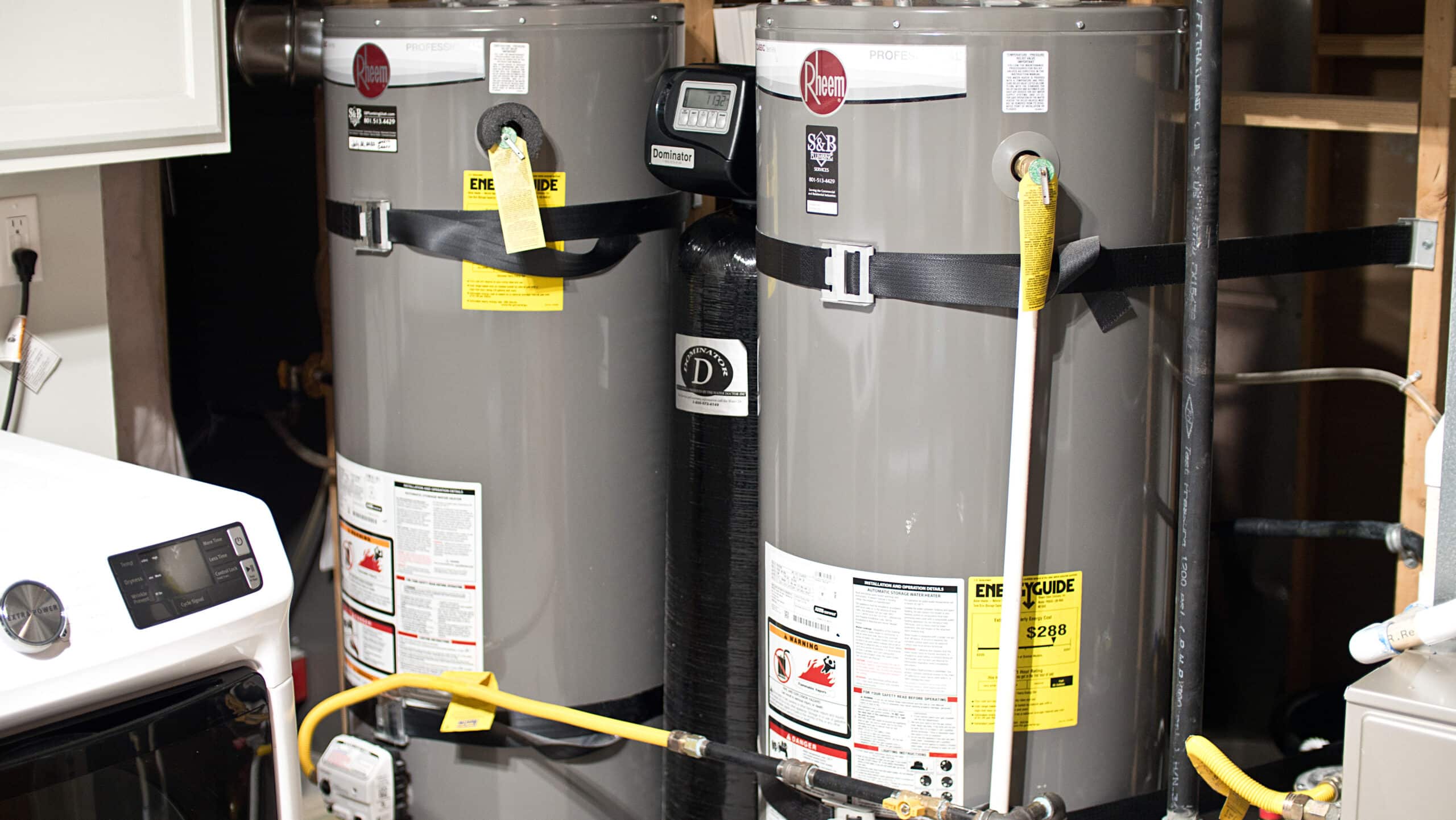
S&B Plumbing can help you by diagnosing and fixing water heater issues to ensure your home always has reliable hot water. Whether it’s a faulty thermostat, sediment buildup, or a malfunctioning heating element, our expert team can quickly assess and repair the problem. S&B Plumbing also offers water heater replacements, tankless water heaters, and maintenance services to keep your system running efficiently. Contact us today for prompt, professional service.

Filed Under: Plumber

  • « Previous Page
  • 1
  • …
  • 15
  • 16
  • 17
  • 18
  • 19
  • …
  • 49
  • Next Page »

Address & Hours

Billing Address

691 N. 2075 W. Suite A

Marriott-Slaterville, UT 84404

Utah - (801) 528-4999

sbputah@gmail.com

Plumbing Services:

24/7


Office Hours:

M-TH 8am-5pm

Fri 8am-4pm

Directions

Follow Us

Contact Us

This field is for validation purposes and should be left unchanged.

2026 | S & B Plumbing | All Rights Reserved | Privacy Policy | Terms | XML Sitemap | Sitemap | Site by PDM