Call Anytime 24/7
tankless water heaters, Utah

S & B Plumbing

801-528-4999 Book Now Customer Loyalty Program
  • Plumbing
        • Bathroom Remodeling
        • Emergency Plumber
        • Faucet Repair
        • Frozen Water Line
        • Gas Line Install & Repair
        • Hose Bibbs
        • Garbage Disposal
        • Kitchen Remodeling
        • Main Water Line
        • New Construction
        • Repiping
        • Sink Repair
        • Stop and Waste Valve
        • Sump Pumps
        • Toilet Repair
        • Water Filtration System
        • Water Leak Detection & Repair
        • Commercial Plumbing
        • Commercial Drain Cleaning
        • Backflow Testing
  • Water Heaters
    • Tankless Water Heater
  • Water Softener
  • Drain & Sewer
  • Industries We Serve
    • Residential 
      • Single-Family Homes
      • Apartment Complex Plumbing
      • Condominiums And Townhouses
    • Industrial
      • Manufacturing Plants
      • Warehouses and distribution centers
      • Automotive Facilities
    • Healthcare
      • Hospitals
      • Nursing Homes And Assisted Living Facilities
      • Clinics And Outpatient Centers
      • Dental Offices
      • Medical Offices
    • Municipal and Government
      • Public Buildings
      • Libraries
      • Parks and Recreational Facilities
    • Hospitality and Entertainment
      • Hotels and Resorts
      • Theaters and Performance Venues
      • Stadiums and Arenas
      • Event Venues and Convention Centers
    • Real Estate and Property Management
      • Property Management Companies
      • Real Estate Developers
      • Rental Property Services
    • Utilities & Infrastructure
      • Water Treatment Facilities
  • About Us
    • Service Area
    • Blog
    • Reviews
    • Contact Us
    • Schedule a Plumbing Service
    • Careers
    • Customer Loyalty Program
    • Coupons
  • Recent Projects

How to Save Money on Water Heating Costs: 7 Effective Tips

Home | Plumber | Page 16

Water heating costs can be one of the highest utility costs in your home, especially during colder months. Fortunately, there are simple strategies to lower your water heating bills without sacrificing comfort. From adjusting thermostat settings to upgrading insulation, making small changes can add up to significant savings. In this blog, we’ll explore practical tips and tricks that can help you keep your water heating costs in check, so you can enjoy a warm home without the high price tag.

How to Save Money on Water Heating Costs
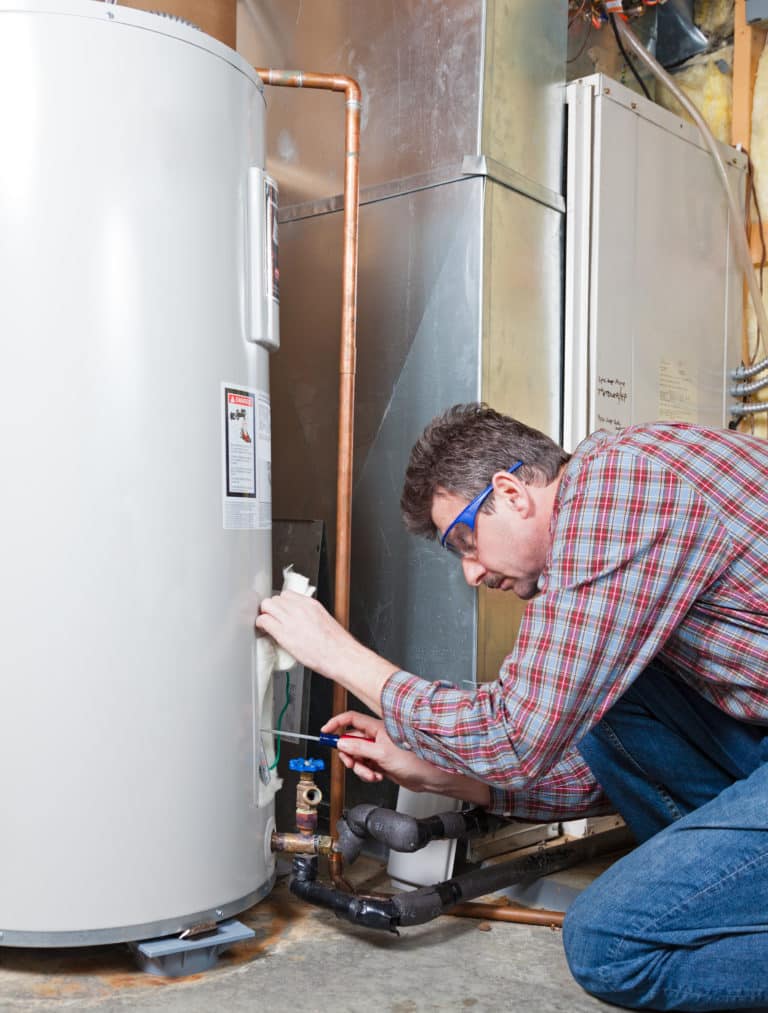
How to Save Money on Water Heating Costs: 7 Effective Tips

1. Choose the Right Water Heater

Choosing the right water heater is essential for saving on energy costs. Tankless water heaters heat water on demand to eliminate standby energy loss from traditional models with tanks, offering hot water whenever needed without wastage. Energy-efficient models, particularly those with an Energy Star rating, are designed to consume less energy, making them a smart choice for long-term savings. Selecting the proper size water heater for your household’s needs also ensures you don’t pay for unused capacity. A properly sized water heater minimizes energy waste, reducing your overall heating expenses. Together, these considerations can lead to substantial savings on your utility bills.

2. Lower the Temperature Setting

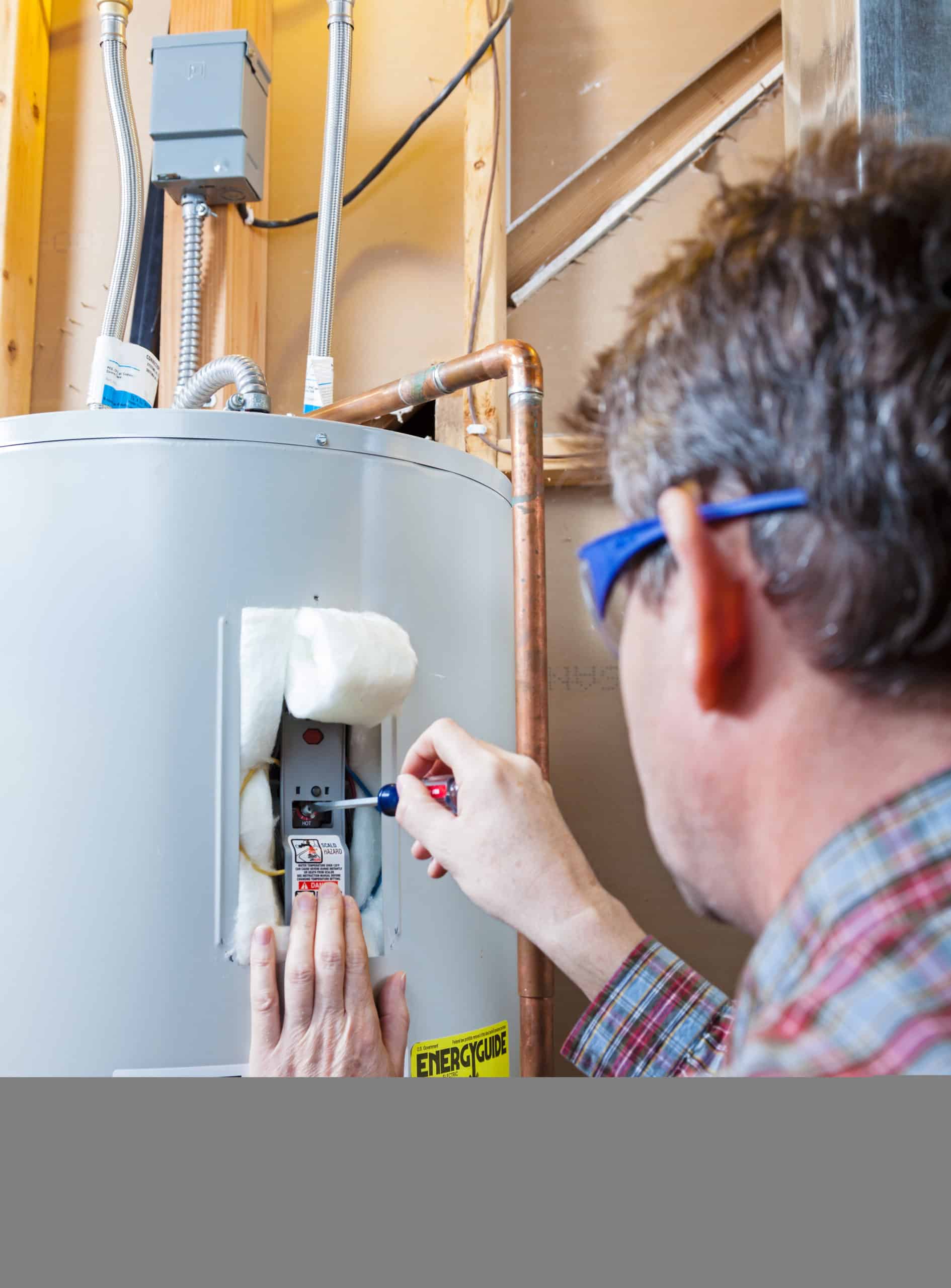
Lowering your water heater temperature to 120°F can lead to significant savings on energy bills without sacrificing comfort. This temperature is generally warm enough for most household needs, while avoiding unnecessary energy consumption from higher settings. On the other hand, setting the temperature too high not only increases your energy usage but also poses a scalding risk. By keeping your water heater at 120°F, you reduce both energy waste and the chances of accidental burns, making it a safer, more efficient choice for your home.

3. Insulate Your Water Heater and Pipes

Insulating your water heater and pipes is an excellent way to improve energy efficiency and reduce water heating costs. By wrapping your water heater with insulation, you help maintain the temperature inside the tank for longer periods, reducing the need for constant reheating and minimizing energy consumption. Insulating your hot water pipes prevents heat loss as water travels from the heater to your fixtures, ensuring that hot water reaches its destination more quickly and at the desired temperature. This combination reduces both energy usage and the wait time for hot water, resulting in savings on your energy bill.

4. Use Water Heating Time Wisely

Using your water heater wisely can help cut down on costs and energy use. Many utility providers offer time-of-use billing plans, where electricity rates are lower during certain off-peak hours. By scheduling your water heating to coincide with these times, you can save significantly on your energy bill. Turning off your water heater during periods of non-use, such as while on vacation or when no one is home, prevents unnecessary energy consumption. This habit can help reduce wasteful heating and improve your water heater’s lifespan by preventing it from running when not needed.

5. Perform Regular Maintenance

Regular maintenance is essential for prolonging the lifespan and improving the efficiency of your water heater. Annual inspections, including flushing the tank, can help remove sediment buildup and prevent scaling, which can reduce heating efficiency. Over time, mineral deposits accumulate inside the tank, forcing the heater to work harder and consume more energy to maintain the desired temperature. Routine maintenance helps maintain the unit’s efficiency, reduces the need for costly repairs, and ensures it operates at optimal performance for years.
How to Save Money on Water Heating Costs: 7 Effective Tips

6. Consider Alternative Heating Methods

Consider alternative water heating methods like solar and heat pump systems to significantly reduce energy consumption and costs. Solar water heating uses energy from the sun to heat water, reducing reliance on traditional electricity or gas. Not only does this method provide long-term savings, but it may also qualify for government incentives, further reducing initial investment costs. Heat pump water heaters are another energy-efficient option, utilizing heat from the air to heat water, making them more efficient than standard electric models. Both options can lower utility bills and minimize environmental impact.

7. Fix Leaks and Drips

Fixing leaks and drips is essential for reducing water heating costs. Leaky faucets or showerheads waste both water and energy, as your water heater works overtime to heat water that’s not even being used. Even small drips can add up over time, leading to higher utility bills. It’s also important to check for hidden leaks, especially around pipes or behind walls. These often go unnoticed, causing water to be heated unnecessarily. Regularly inspecting for leaks and repairing them promptly can prevent this waste, ensuring more efficient water heating.

Choose S&B Plumbing

To maximize your savings on water heating cots, consider scheduling an energy audit or a consultation with a professional plumber. A plumber can help identify areas where your water heating system could be more efficient, such as checking for hidden leaks, ensuring proper insulation, and recommending the right water heater for your needs. S&B Plumbing offers expert services that can help reduce waste, lower energy bills, and keep your system running smoothly. Contact us today for a consultation and start saving!
Filed Under: Plumber

Imagine waking up to a cold shower on a winter morning — your water heater has suddenly stopped working! While the chilly reality is frustrating, it’s important to stay calm and address the situation step by step. There are several things you can do before calling a professional, from checking the power supply to inspecting for frozen pipes. By taking a few emergency measures, you can either fix the issue or determine whether it’s time for expert help. Let’s walk through the steps to restore your warmth this winter.

What to Do When Your Water Heater Stops Working in the Winter

Emergency Steps to Take When Your Water Heater Stops Working in the Winter

Step 1: Check the Power or Gas Supply

For electric water heaters, the first step is to check the circuit breaker. If it has tripped, the heater won’t receive power and resetting the breaker may restore functionality. For gas water heaters, verify that the gas supply is on, and the pilot light is lit. If the pilot light is out, you may need to relight it. These basic checks are crucial because they can resolve the issue without requiring complex repairs, saving you time and effort before moving on to more advanced troubleshooting. Always prioritize these checks before assuming a deeper problem.

Step 2: Inspect the Thermostat Settings

Check the thermostat on your water heater to ensure it’s set within the optimal range of 120°F to 140°F. If the setting is too low, your water may not heat properly. Conversely, setting it too high could lead to scalding water and higher energy bills. If the thermostat appears correctly set but the heater still isn’t working, it might indicate a malfunction in the thermostat or another internal component, such as the heating element. Addressing thermostat issues early can prevent more serious problems down the line.

Step 3: Look for Leaks or Visible Damage

Inspect your water heater for any visible leaks, rust, or corrosion, as these could indicate internal damage, often caused by freezing temperatures. Frozen pipes can block water flow, leading to poor heater performance or even burst pipes that prevent the system from working properly. If water is leaking from the heater or pipes, it can lead to further damage and pose a safety risk. If you notice these issues, it’s important to act quickly to prevent long-term problems and call a professional for repair.

Step 4: Inspect for Blockages in the Vent or Flue (Gas Heaters)

For gas water heaters, inspect the vent and flue for any blockages that may be restricting airflow. These obstructions can cause the heater to malfunction by preventing proper ventilation, leading to safety issues like carbon monoxide buildup. Check for debris, dirt, or animal nests in the vents, especially after harsh weather. If you find a blockage, carefully clear it using appropriate tools, ensuring safety at all times. For stubborn blockages or if you’re unsure, call a professional to handle the task.

Step 5: Attempt to Thaw Frozen Pipes (If Applicable)

Frozen pipes are a common issue in winter and can severely impact your water heater’s performance. Signs of frozen pipes include no water flow or strange noises from the pipes. If you suspect freezing, thaw the pipes carefully using a hairdryer or space heater, starting from the section closest to the faucet. Avoid using open flames, heating pads, or boiling water, as they can cause pipes to burst or result in a fire hazard. If the pipes are still frozen or damaged, contact a professional plumber for assistance.

Emergency Steps to Take When Your Water Heater Stops Working in the Winter

Step 6: Reset the Water Heater

Resetting your water heater can resolve minor issues and restore functionality. For electric water heaters, locate the reset button on the thermostat, typically found behind a removable panel, and press it. For gas heaters, turn the gas valve off, wait a few minutes, and then restart the system. Always follow the manufacturer’s specific instructions for resetting to avoid damaging the unit or voiding the warranty. If the heater still isn’t working after resetting, it may indicate a deeper issue requiring professional repair.

Step 7: Contact a Professional Plumber or Technician

If your water heater continues to malfunction after troubleshooting, it’s time to call a professional plumber or technician. Issues with the tank, gas connections, electrical components, or internal parts often require specialized knowledge and tools. Attempting DIY repairs, particularly with gas or electrical systems, can be dangerous and may lead to further damage or safety hazards, including leaks or fire risks. A professional can quickly identify the root cause, ensure safe repairs, and restore your water heater to optimal functioning.

Preventive Measures for the Future

To prevent future water heater breakdowns, insulate pipes to protect them from freezing, especially during winter months. Regularly inspect your water heater for signs of wear or leaks and check the thermostat settings. Scheduling annual maintenance with a professional can help identify potential issues early, ensuring your water heater runs efficiently and extending its lifespan. These simple preventive steps can save you time, money, and discomfort down the line.

S&B Plumbing for Water Heater Repair and Maintenance

S&B Plumbing specializes in water heater repairs and installations, along with a range of other plumbing services. Whether you’re dealing with a malfunctioning water heater, clogged pipes, or a leaking faucet, our expert team is ready to provide efficient, reliable solutions. With years of experience, S&B Plumbing is committed to delivering high-quality service and ensuring your plumbing system operates smoothly year-round. Contact us today to get more details and see how we can help you.

Filed Under: Plumber

Choosing the right flooring for each room in your home remodel can transform both the look and functionality of your space. With so many options available (each with its own durability, moisture resistance, and maintenance requirements), it’s essential to select materials that suit each room’s specific needs. From durable flooring for high-traffic areas to moisture-resistant options for bathrooms and kitchens, this guide will help you make informed choices.

Considerations for Choosing the Right Flooring

When choosing the right flooring for a home remodel, several key factors should be considered to ensure it suits each room’s needs:

How to Choose the Right Flooring for Each Room in Your Remodel
  • Durability: Different rooms have varying levels of foot traffic, so choosing a durable material is essential. High-traffic areas like kitchens, entryways, and living rooms may benefit from more resilient materials like tile, hardwood, or vinyl, which can withstand wear and tear and maintain their appearance over time.
  • Moisture Resistance: Rooms like bathrooms, kitchens, and basements are prone to moisture, so water-resistant or waterproof flooring is crucial. Options like tile, vinyl, and certain laminates prevent warping, swelling, and damage from spills or humidity, protecting both the floors and subfloor from potential water damage.
  • Maintenance Needs: Flooring should align with the homeowner’s lifestyle and cleaning routine. Tile and vinyl are easy to clean and resistant to stains, making them ideal for households with pets or children, while materials like hardwood may require refinishing over time.
  • Aesthetics: Flooring should complement the home’s overall design style. Natural stone or wood floors can enhance rustic or traditional aesthetics, while sleek tiles or concrete are excellent for modern homes.
  • Comfort: Comfort is key, especially in rooms where people stand or sit often. Carpet provides softness and warmth for bedrooms, while cork or vinyl offer a cushioned feel underfoot, making spaces like kitchens more comfortable for prolonged standing.

Recommended Flooring Options by Room

Kitchen

For kitchens, tile, vinyl, and engineered wood are ideal flooring choices. These materials offer water resistance which is essential for a space prone to spills and humidity. They’re also easy to clean, which helps maintain a fresh look even with daily cooking. Slip-resistant textures or finishes can enhance safety, particularly in a busy kitchen environment.

Living Room and Family Room

In living and family rooms, hardwood, carpet, and laminate are excellent options, combining aesthetics with comfort and durability. Hardwood provides a classic, elegant look, while carpet adds warmth and softness. Laminate is durable and can replicate the appearance of wood affordably. When selecting flooring, you should consider options that harmonize with furniture styles and the overall design, ensuring the space feels cohesive and inviting for relaxation and gatherings.

Bathroom

For bathrooms, tile, vinyl, and waterproof laminate are excellent choices due to their high moisture resistance and durability. Slip-resistant surfaces enhance safety in wet conditions, while mold-resistant properties keep the bathroom hygienic. Easy-to-clean materials are essential for maintaining a fresh, low-maintenance space in a moisture-heavy environment.

How to Choose the Right Flooring for Each Room in Your Remodel

Bedrooms

Carpet, hardwood, and vinyl flooring work well in bedrooms, emphasizing comfort, warmth, and sound absorption for a cozy feel. Carpet offers softness for added comfort. For those with allergies, hypoallergenic options are available in both carpet and hardwood flooring materials to promote healthy indoor quality.

Basement

Engineered wood, vinyl, and tile are ideal for basements due to their moisture resistance and durability. These options help manage the challenges of underground spaces, such as dampness and fluctuating temperatures. Insulated underlayments can add warmth and comfort to transform the basement into a cozy, functional area.

Home Office

Carpet, hardwood, and cork flooring suit home offices, offering noise absorption and a professional look. Carpet and cork reduce noise for focused work, while hardwood adds an elegant touch. Flooring that balances durability and comfort can enhance productivity, creating a welcoming environment for prolonged desk time.

Fix Moisture Issues With S&B Plumbing

If you notice that your floors are not withstanding moisture, there may be a hidden plumbing issue that needs to be addressed. S&B Plumbing can help you identify the problem and fix it in a timely manner so you don’t have to worry about further damage. We can fix all types of plumbing issues, including leaky faucets, main water lines, and more. Contact us today to book your appointment. 

Budget Considerations

Flooring choices significantly affect overall remodel costs, as prices vary widely among materials. Luxury options like hardwood may be more expensive than laminate or vinyl, impacting your budget. It’s essential to compare price ranges to find the right flooring solution that fits your financial plan. 

To balance quality with affordability, consider durable mid-range materials that offer long-term value, explore sales or discounts, and think about the cost of installation, as some flooring types may require professional help.

Filed Under: Plumber

  • « Previous Page
  • 1
  • …
  • 14
  • 15
  • 16
  • 17
  • 18
  • …
  • 51
  • Next Page »

Address & Hours

Billing Address

691 N. 2075 W. Suite A

Marriott-Slaterville, UT 84404

Utah - (801) 528-4999

sbputah@gmail.com

Plumbing Services:

24/7


Office Hours:

M-TH 8am-5pm

Fri 8am-4pm

Directions

Follow Us

Contact Us

This field is for validation purposes and should be left unchanged.

2026 | S & B Plumbing | All Rights Reserved | Privacy Policy | Terms | XML Sitemap | Sitemap | Site by PDM