
Call Anytime 24/7
tankless water heaters, Utah

S & B Plumbing

801-528-4999 Book Now Customer Loyalty Program
  • Plumbing
        • Bathroom Remodeling
        • Emergency Plumber
        • Faucet Repair
        • Frozen Water Line
        • Gas Line Install & Repair
        • Hose Bibbs
        • Garbage Disposal
        • Kitchen Remodeling
        • Main Water Line
        • New Construction
        • Repiping
        • Sink Repair
        • Stop and Waste Valve
        • Sump Pumps
        • Toilet Repair
        • Water Filtration System
        • Water Leak Detection & Repair
        • Commercial Plumbing
        • Commercial Drain Cleaning
        • Backflow Testing
  • Water Heaters
    • Tankless Water Heater
  • Water Softener
  • Drain & Sewer
  • Industries We Serve
    • Residential 
      • Single-Family Homes
      • Apartment Complex Plumbing
      • Condominiums And Townhouses
    • Industrial
      • Manufacturing Plants
      • Warehouses and distribution centers
      • Automotive Facilities
    • Healthcare
      • Hospitals
      • Nursing Homes And Assisted Living Facilities
      • Clinics And Outpatient Centers
      • Dental Offices
      • Medical Offices
    • Municipal and Government
      • Public Buildings
      • Libraries
      • Parks and Recreational Facilities
    • Hospitality and Entertainment
      • Hotels and Resorts
      • Theaters and Performance Venues
      • Stadiums and Arenas
      • Event Venues and Convention Centers
    • Real Estate and Property Management
      • Property Management Companies
      • Real Estate Developers
      • Rental Property Services
    • Utilities & Infrastructure
      • Water Treatment Facilities
  • About Us
    • Service Area
    • Blog
    • Reviews
    • Contact Us
    • Schedule a Plumbing Service
    • Careers
    • Customer Loyalty Program
    • Coupons
  • Recent Projects

How Cold Weather Affects Your Water Heater and What to Do About It

Home | Plumber | Page 14

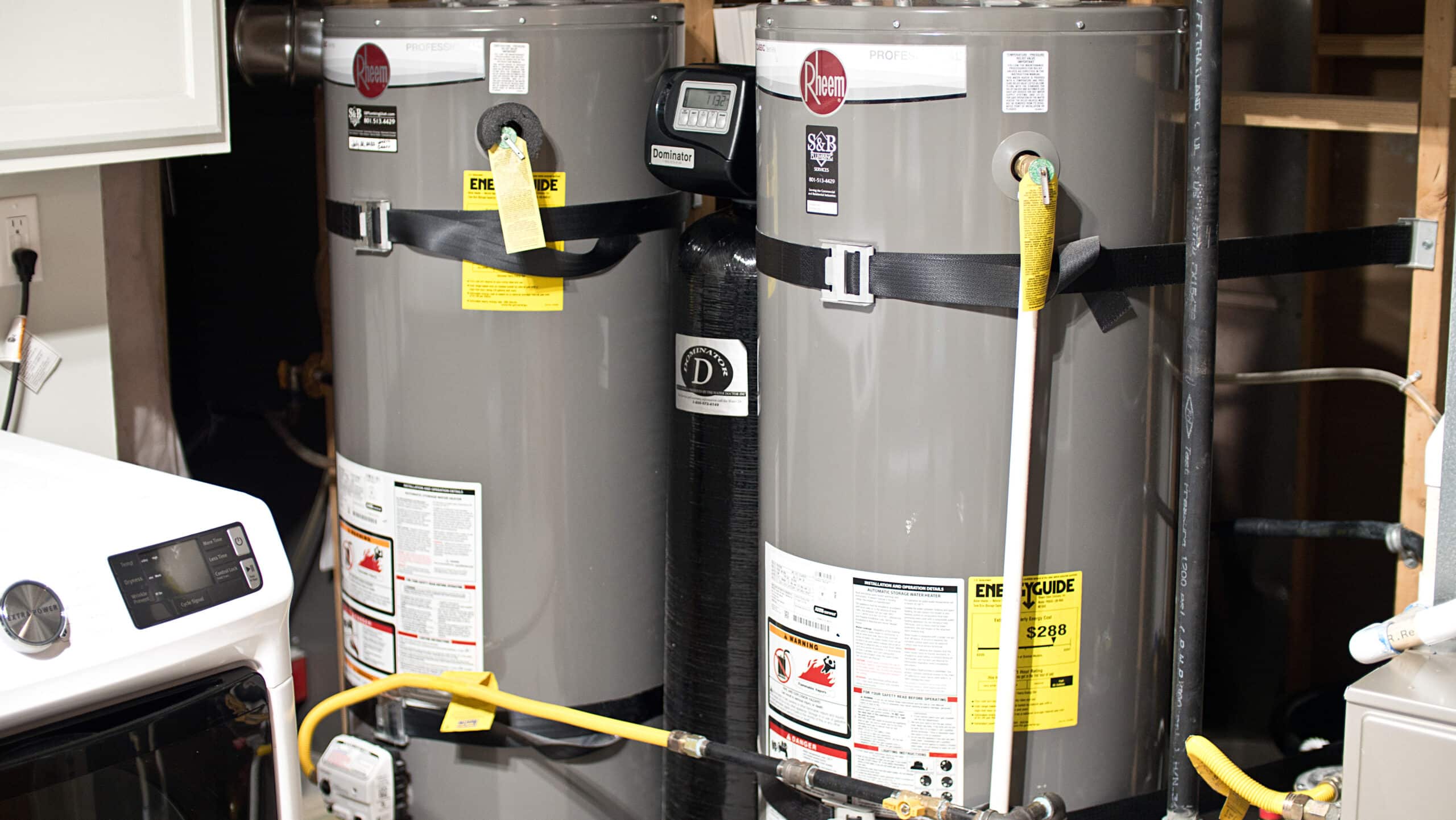
As winter sets in, your water heater may struggle to keep up with the cold weather and temperatures. With freezing pipes, extra demand for hot water, and the added strain on your heater, it’s easy for things to go wrong. Don’t let a cold shower ruin your day—understanding how cold weather impacts your water heater can help you prevent issues before they start. Here’s what you need to know to keep your water heater running smoothly all winter long.

How Cold Weather Impacts Water Heaters

As the temperature drops outside, your water heater works harder to keep your home comfortable. Cold weather can have a significant impact on the efficiency and performance of your water heater, potentially leading to frustrating problems. First, let’s talk about how low ambient temperatures affect your heater. When the surrounding air is cold, the water in the tank cools faster, forcing your heater to use more energy to keep it at the desired temperature. This increased demand on your system can reduce its overall efficiency.
How Cold Weather Affects Your Water Heater and What to Do About It

Another issue comes with the colder incoming water itself. During winter, the water entering your home is significantly colder than usual, meaning your water heater has to work extra hard to heat it up to your preferred temperature. The colder the water, the more energy is required to achieve the same level of warmth, which can strain your heater and even lead to higher utility bills.

In addition to these challenges, winter often brings a higher demand for hot water. With colder temperatures, people tend to take more hot showers, long baths, and run the heater longer to stay warm. This increased usage puts added pressure on your water heater, causing it to struggle to meet demand. If your heater is already operating at full capacity due to cold weather, this uptick in usage may lead to problems like insufficient hot water or system malfunctions. Keeping your water heater in peak condition becomes even more crucial during these months.

Common Cold Weather Problems for Water Heaters

As temperatures drop, several issues may arise that can strain your water heater. Here are some of the most common cold weather problems to watch out for:

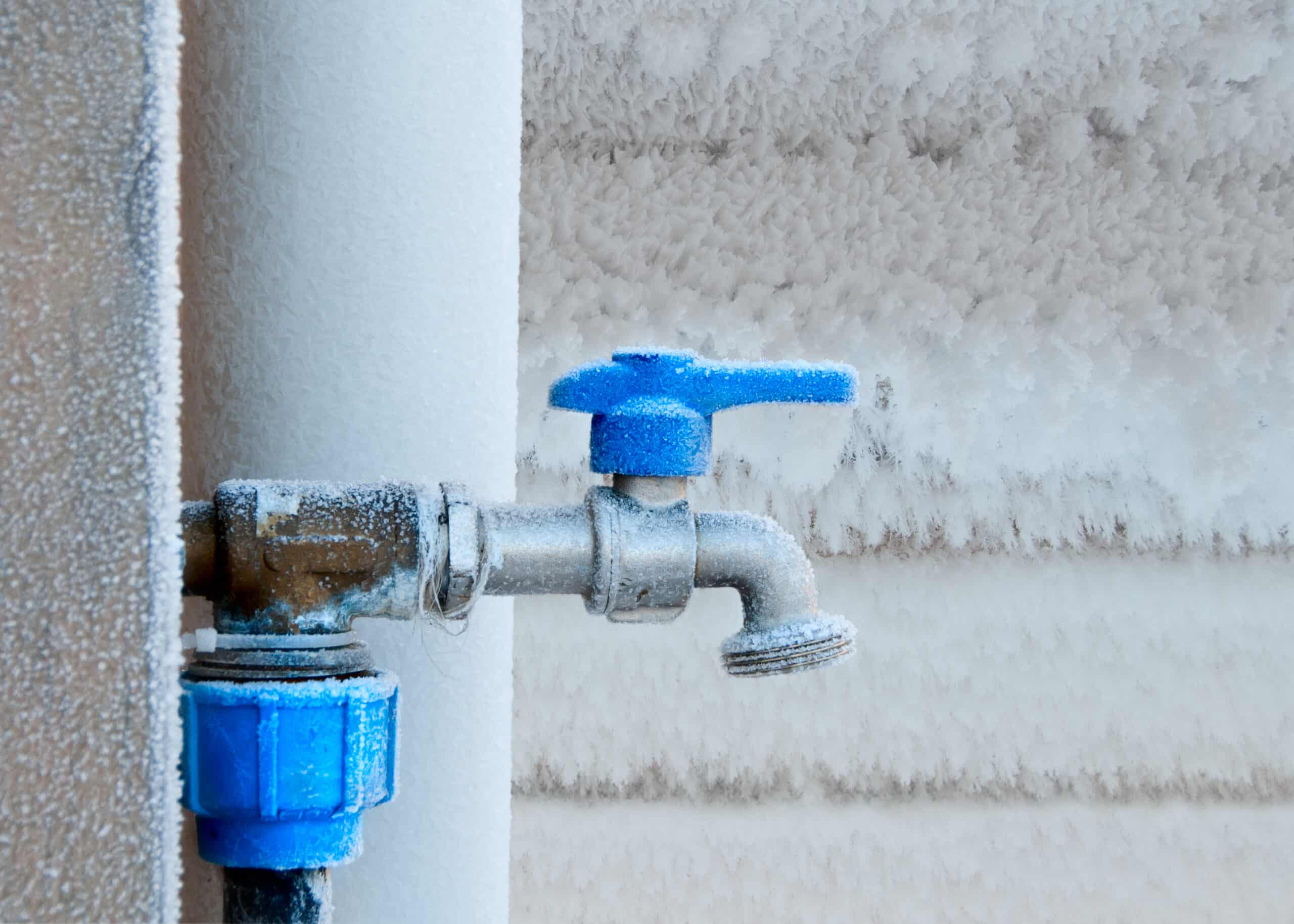
Frozen Pipes: Freezing temperatures can cause pipes to freeze, blocking the flow of water to your heater. This can lead to a complete water supply failure or even burst pipes. To prevent this, insulate pipes in unheated areas, and leave faucets slightly open to allow water to flow and avoid freezing.

Sediment Buildup: During winter, sediment buildup in the bottom of your tank becomes more problematic. Colder temperatures slow down the heating process, and the extra work required by the system to heat the water causes sediment to settle and create blockages. Regular tank flushing can help prevent this issue from reducing heating efficiency.

Strained Heating Elements: As the temperature outside drops, your water heater works overtime to heat the colder water entering the tank. This additional strain on the heating elements can lead to early wear or malfunction. Watch for signs like longer heating times, inconsistent temperatures, or strange noises coming from the tank—these could be signs your elements need attention.

Thermostat Issues: The thermostat in your water heater is responsible for maintaining a consistent temperature. However, in colder weather, it may struggle to regulate properly. A malfunctioning thermostat can cause the heater to overheat or fail to heat enough, leading to inconsistent hot water. Make sure your thermostat is calibrated correctly, and replace it if it’s old or malfunctioning.

By identifying and addressing these issues early, you can avoid more serious problems and keep your water heater running efficiently all winter long.

How to Protect and Maintain Your Water Heater During Winter

Ensure your water heater performs at its best during winter with these simple maintenance steps:

How Cold Weather Affects Your Water Heater and What to Do About It

Pipe Insulation: Protect pipes from freezing by insulating them, especially in unheated areas. Use foam insulation or heat tape to keep the cold out.

Flushing the Tank: Sediment buildup is common, especially in colder months. Flushing your tank annually helps maintain efficiency and prevent clogs.

Thermostat Adjustments: Set your thermostat to 120°F (49°C) for optimal performance. Avoid high settings that could cause overheating and wear.

Heating Element Inspection: Check for signs of wear in your heating elements. Early detection prevents total failure and maintains efficiency.

Routine Maintenance: Schedule regular professional maintenance to keep your water heater running smoothly and catch issues early.

By taking these simple steps, your water heater will stay reliable and efficient throughout the winter season.

When to Call a Professional at S&B Plumbing

If you notice inconsistent water temperature, strange noises, leaks, or rising energy bills, it may be time to call a professional at S&B Plumbing. A plumber can identify hidden issues like corrosion or faulty components before they become major problems. Professional inspections also help prevent costly repairs and extend the life of your water heater.

For expert care and efficient service, reach out to S&B Plumbing. Call us or fill out our contact form to schedule an inspection today!
Filed Under: Plumber

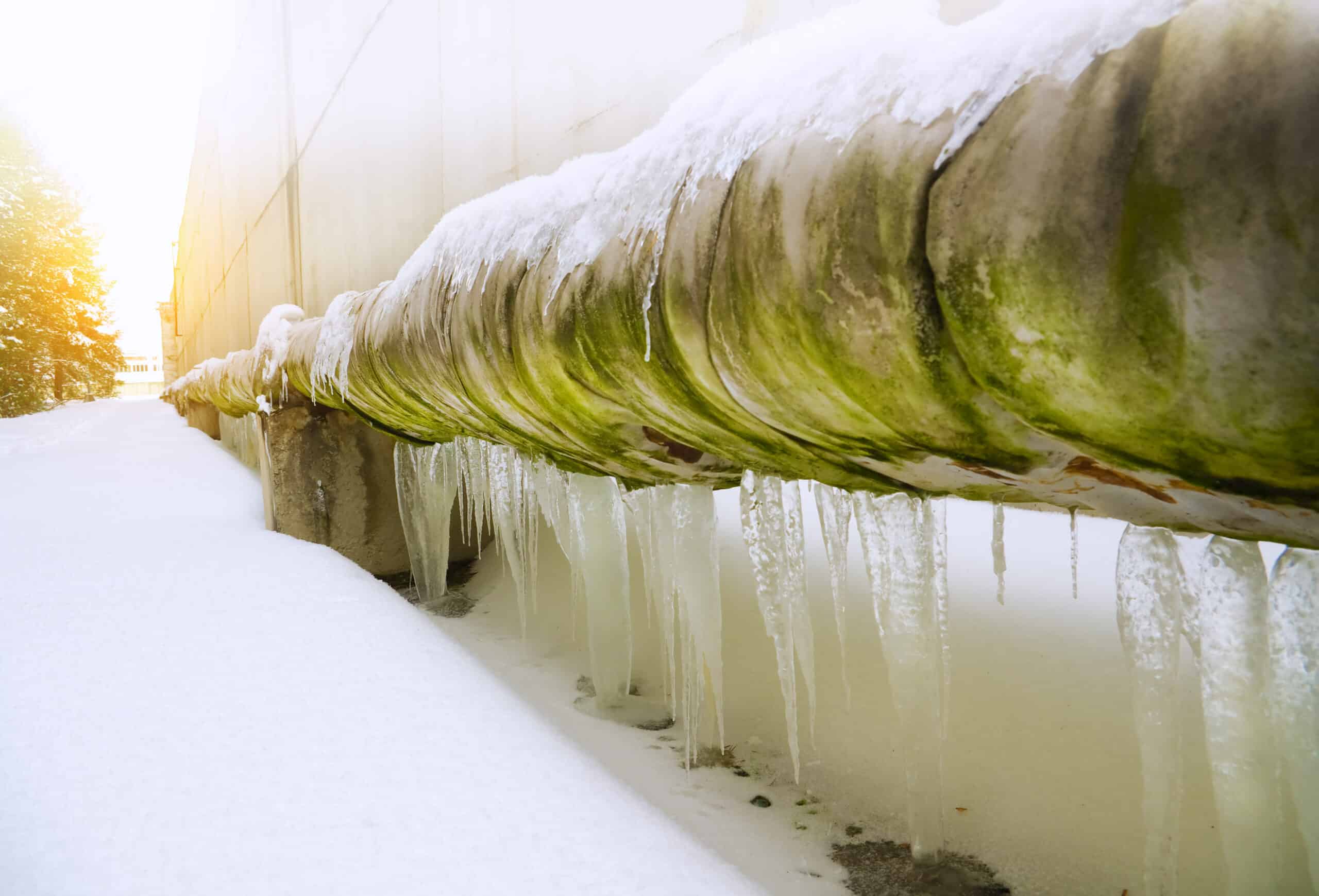
Older homes have a lot of charm, but when it comes to plumbing, they can also present unique challenges—especially in the winter. Frozen water lines are more common in these homes due to outdated materials, poor insulation, and less efficient heating systems. In this blog, we’ll explore why older homes are particularly vulnerable to frozen pipes and how you can protect your plumbing from the cold. Keep reading for practical tips to safeguard your home this winter!

Aging Plumbing Systems

Why Frozen Water Lines Are More Common in Older Homes & How to Prevent Them

Older homes often feature plumbing made from outdated materials like galvanized steel or lead pipes, which are less effective at retaining heat than modern options like PEX or copper. This makes water inside these pipes more prone to freezing in cold weather. 

Over time, corrosion and wear can weaken pipes, creating cracks or thin spots that allow cold air to penetrate. These vulnerabilities increase the likelihood of freezing and bursting. To prevent issues, homeowners can upgrade to modern materials or insulate existing pipes to better protect against freezing temperatures.

Lack of Modern Insulation

Older homes often lack adequate insulation, leaving plumbing exposed to freezing temperatures. This is especially true in unheated spaces like basements, crawl spaces, and attics, where cold air can easily reach unprotected pipes.

Poor overall building insulation in older homes, such as drafty windows or thin walls, also allow cold air to seep inside, creating frigid areas that put pipes at risk of freezing. Upgrading pipe insulation or using heat tape, along with improving overall home insulation, can protect plumbing and enhance energy efficiency to make it a smart investment.

Unprotected Locations of Pipes

In older homes, pipes are often located in unheated basements, crawl spaces, or exterior walls, leaving them exposed to freezing temperatures. Without proper insulation, these vulnerable placements make it easy for cold air to freeze water inside the pipes, leading to potential bursts and costly repairs.

To reduce risks, homeowners can insulate exposed pipes, seal gaps that let in cold air, or relocate vulnerable plumbing to warmer areas. These simple steps can help protect aging plumbing systems from winter damage.

Inefficient Heating Systems

Older homes often rely on outdated heating systems that struggle to evenly distribute warmth throughout the house. These systems can leave certain areas significantly colder than the rest of the home. These cold zones can quickly become a problem during winter, creating an environment where frozen water lines are more likely to appear.

For example, an old furnace or radiator might not effectively reach pipes hidden behind walls or beneath floors, leaving them exposed to plummeting temperatures. Similarly, drafty areas or under-heated rooms can allow cold air to settle around vulnerable pipes, especially if insulation is already lacking.

Upgrading to a more efficient heating system, sealing drafts, and supplementing with space heaters in high-risk areas can help ensure consistent warmth throughout the home. Protecting these cold zones not only prevents frozen water lines but also improves overall comfort and energy efficiency.

Why Frozen Water Lines Are More Common in Older Homes & How to Prevent Them

Solutions for Older Homes to Avoid Frozen Water Lines

Older homes can be charming and full of character, but they often come with outdated systems that leave plumbing vulnerable to freezing. Fortunately, there are effective solutions to modernize and protect these homes without compromising their charm.

Start by retrofitting with modern insulation. Adding insulation to walls, basements, and crawl spaces can create a thermal barrier, keeping cold air out and warm air in. Heat tape is another useful tool for wrapping around pipes in high-risk areas, offering a reliable source of warmth during freezing conditions.

Upgrading your plumbing to modern materials like PEX or copper is a long-term solution that not only resists freezing but also improves overall durability. These materials are better equipped to withstand extreme temperatures and reduce the risk of costly repairs.

If your home’s layout leaves pipes exposed in exterior walls or unheated spaces, consider relocating them to warmer areas. Pair this with heating upgrades to ensure consistent warmth throughout the home, minimizing cold zones that could lead to frozen water lines.

By taking these preventative measures, homeowners can enjoy the charm of an older home while protecting it from winter’s harsh effects.

When to Call a Professional Plumber at S&B Plumbing

Signs of frozen water lines or damaged pipes in older homes include reduced water pressure, strange smells or sounds, visible frost on pipes, or no water flowing from faucets. While DIY methods may offer temporary relief, it’s best to call a professional plumber. S&B Plumbing can identify the issue, fix any damage, and prevent future risks like mold or additional freezing. Professional help ensures proper repairs and provides advice on insulation or pipe relocation to protect your home from further damage. 

Contact us today to get your maintenance scheduled or deal with an emergency plumbing issue.

Filed Under: Plumber

A burst pipe in your home can be a nightmare, but acting quickly and knowing what to do can minimize damage and prevent bigger problems down the line. Whether it’s a sudden leak or a major flood, staying calm and following the right steps is key to handling the situation effectively. Here’s a quick guide to help you navigate the immediate aftermath of a burst pipe and ensure your home stays safe and dry.

Immediate Steps to Take After a Pipe Bursts

When faced with a burst pipe, every second counts. Taking swift action can help you minimize damage and protect your home from expensive repairs. Here’s what to do right away:

What to Do If You Experience a Burst Pipe in Your Home: Important Steps to Take
  1. Turn Off Water Supply: Your first priority is to stop the flow of water. Locate your home’s main water shutoff valve, which is typically found in the basement, crawl space, or near the perimeter of your property, and turn it off immediately. This step prevents more water from flooding your home, limiting the extent of the damage. If you’re unsure where the valve is, now’s a good time to familiarize yourself with its location for future emergencies.
  2. Shut Off the Electricity: Water and electricity are a dangerous combination. If the burst pipe is near electrical outlets, appliances, or light fixtures, head to your circuit breaker and cut the power to the affected areas. Safety should be your top concern, so don’t take any risks with exposed wiring or waterlogged appliances.
  3. Contain the Water: Once the water flow has stopped, focus on removing as much standing water as possible. Use towels, mops, buckets, or a wet/dry vacuum to soak up the excess. This step not only minimizes damage to your floors and furniture but also reduces the risk of mold growth, which can start forming withing 24-48 hours. Be sure to work quickly and wear rubber gloves to protect your hands from potentially contaminated water.

These immediate actions serve as a critical first line of defense against water damage, giving you valuable time to call in professional help and address the situation effectively.

Assess the Damage

Once the immediate threat of a burst pipe is contained, assess the damage to determine your next steps. Here’s how:

Locate the Source and Evaluate Severity: Identify where the pipe burst and check nearby pipes for additional leaks. The location and size of the break will determine how much water was released.

Inspect for Visible Water Damage: Look for wet spots, discoloration, or pooling water on walls, ceilings, and floors near the bust. These are clear signs of damage.

Search for Hidden Damage: Water may seep into hidden areas, so check for signs like peeling paint, warped wood, or bubbling wallpaper. Pay attention to adjacent rooms or areas below the burst.

A thorough assessment helps you understand the extent of the damage and decide whether to tackle repairs yourself or call in professionals.

Temporary Repairs for Burst Pipes

What to Do If You Experience a Burst Pipe in Your Home: Important Steps to Take

When a pipe bursts, quick temporary repairs can help limit the damage until professional help arrives.

Start by patching the pipe. Use pipe tape, epoxy putty, or a clamp to seal the leak and stop or slow the water flow. These solutions are not permanent but can buy you time while you address the issue.

Next, focus on protecting your belongings. Move furniture and valuables away from affected area to prevent water damage. If items are too heavy to move, consider propping them up on blocks or placing waterproof barriers underneath.

Finally, address the moisture. Ventilate the area by opening windows or running fans or dehumidifiers. This step is crucial for preventing mold growth and reducing humidity in the space.

Taking these actions quickly can help you maintain control of the situation until repairs are completed.

Call Professionals at S&B Plumbing

After controlling the immediate situation, call a licensed plumber to repair or replaced the damaged pipe. Our expertise ensures the job is done right and prevents future issues.

At S&B Plumbing, we specialize in addressing burst pipes and a wide range of plumbing issues with fast, reliable service. Our expert plumbers are equipped to handle emergencies, ensuring that your home is quickly restored to normal. Whether it’s pipe repair, replacement, or helping with water damage, we provide effective solutions to prevent further damage. Don’t wait! Call S&B Plumbing today for prompt, professional plumbing services and get your home back on track!

Filed Under: Plumber

  • « Previous Page
  • 1
  • …
  • 12
  • 13
  • 14
  • 15
  • 16
  • …
  • 51
  • Next Page »

Address & Hours

Billing Address

691 N. 2075 W. Suite A

Marriott-Slaterville, UT 84404

Utah - (801) 528-4999

sbputah@gmail.com

Plumbing Services:

24/7


Office Hours:

M-TH 8am-5pm

Fri 8am-4pm

Directions

Follow Us

Contact Us

This field is for validation purposes and should be left unchanged.

2026 | S & B Plumbing | All Rights Reserved | Privacy Policy | Terms | XML Sitemap | Sitemap | Site by PDM