Call Anytime 24/7
tankless water heaters, Utah

S & B Plumbing

801-528-4999 Book Now Customer Loyalty Program
  • Plumbing
        • Bathroom Remodeling
        • Emergency Plumber
        • Faucet Repair
        • Frozen Water Line
        • Gas Line Install & Repair
        • Hose Bibbs
        • Garbage Disposal
        • Kitchen Remodeling
        • Main Water Line
        • New Construction
        • Repiping
        • Sink Repair
        • Stop and Waste Valve
        • Sump Pumps
        • Toilet Repair
        • Water Filtration System
        • Water Leak Detection & Repair
        • Commercial Plumbing
        • Commercial Drain Cleaning
        • Backflow Testing
  • Water Heaters
    • Tankless Water Heater
  • Water Softener
  • Drain & Sewer
  • Industries We Serve
    • Residential 
      • Single-Family Homes
      • Apartment Complex Plumbing
      • Condominiums And Townhouses
    • Industrial
      • Manufacturing Plants
      • Warehouses and distribution centers
      • Automotive Facilities
    • Healthcare
      • Hospitals
      • Nursing Homes And Assisted Living Facilities
      • Clinics And Outpatient Centers
      • Dental Offices
      • Medical Offices
    • Municipal and Government
      • Public Buildings
      • Libraries
      • Parks and Recreational Facilities
    • Hospitality and Entertainment
      • Hotels and Resorts
      • Theaters and Performance Venues
      • Stadiums and Arenas
      • Event Venues and Convention Centers
    • Real Estate and Property Management
      • Property Management Companies
      • Real Estate Developers
      • Rental Property Services
    • Utilities & Infrastructure
      • Water Treatment Facilities
  • About Us
    • Service Area
    • Blog
    • Reviews
    • Contact Us
    • Schedule a Plumbing Service
    • Careers
    • Customer Loyalty Program
    • Coupons
  • Recent Projects

The Ultimate Guide to Backflow Prevention for Commercial Properties

Home | Plumber | Page 12

backflow prevention

Water plays an essential part in any commercial property, and ensuring a safe and uncontaminated water supply is critical, especially for the food, healthcare, and hospitality industries. One major threat to water safety is backflow, which can introduce harmful contaminants into a property’s water system. Property owners should ensure that a proper backflow prevention system has been implemented to maintain water quality and comply with health regulations.

What is Backflow?

Blackflow occurs when water flows in the wrong direction than intended, allowing contaminated water or chemicals to enter the clean water supply instead of properly leaving it. This can happen due to back siphonage or back pressure, both of which can be caused by changes in water pressure within a plumbing system.

Back Siphonage — Back siphonage occurs when water pressure drops, creating a vacuum that sucks water backward into the system. This can happen due to water main breaks or repairs that cause a loss of pressure, a sudden increase in water demand, or submerged inlets, like a hose submerged in a bucket of water. 

Back Pressure — Back pressure happens when increased pressure from a connected system (downstream) becomes higher than the pressure of the water supply (upstream), forcing contaminated water back into the main supply.

Why is Backflow Prevention Important?

Health and Safety — Contaminated water can introduce harmful bacteria, chemicals, and other harmful substances into drinking water that can lead to health risks, such as bacterial infections or lead poisoning, for employees, customers, and residents.

Regulatory Compliance — Many state and local regulations require businesses to install backflow prevention devices to ensure public water safety. Failing to comply can result in fines and legal consequences.

Protecting Business Reputation — If your water becomes contaminated, you may have to close your business, deal with liability claims, and repair a damaged reputation that can be difficult to recover from. 

Avoiding Costly Repairs —  Backflow can damage your plumbing system, leading to leaks, pipe bursts, and other costly repairs. You may also have to play to get parts replaced. 

Common Causes of Backflow in Commercial Properties

While backflow can occur in any water system, certain factors can increase the risk, particularly in commercial properties with large or complex plumbing setups. Some common causes include:

Cross-Connections — If your property has improperly connected potable and non-potable water sources, there is an increased risk of contamination. 

High-Demand Usage — Facilities that use large amounts of water, such as restaurants, hotels, or manufacturing plants, may experience fluctuating water pressure, increasing the risk of backflow.

Defective or Missing Backflow Prevention Devices — Without properly installed and maintained backflow preventers, contaminants can easily enter the water supply.

Plumbing System Alterations — Renovations and system modifications, not properly evaluated for backflow risks, can introduce potential hazards.

How to Prevent Backflow

To safeguard commercial properties from backflow incidents, businesses should take the following steps:

Install Backflow Prevention Devices 

  • Air Gap — The most effective type of backflow prevention is an air gap. This non-mechanical method includes a physical air space between the potable and non-potable systems, such as a faucet and a sink. 
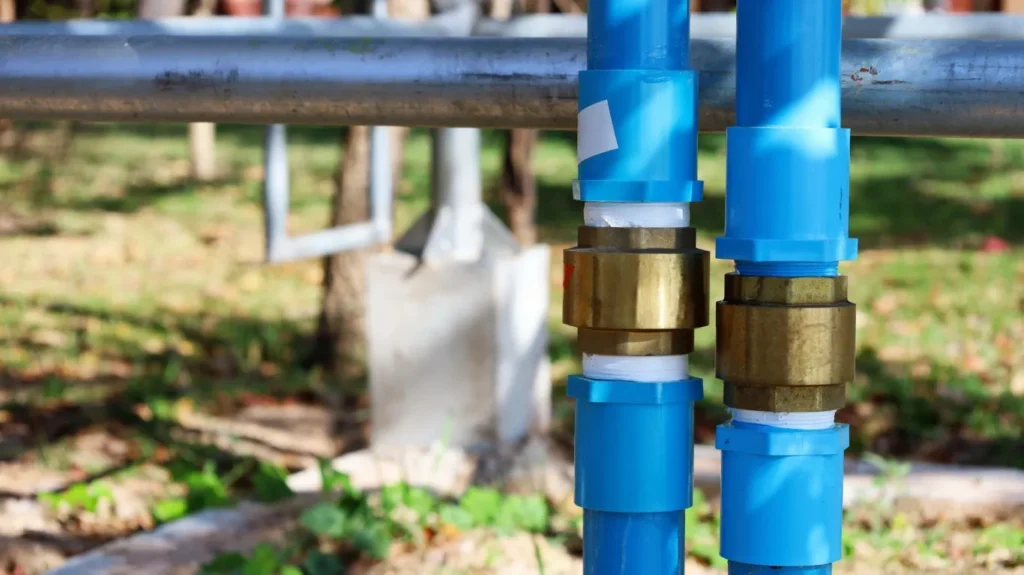
  • Double Check Valve Assembly (DCVA) —  This assembly is very common for underground or in-line usage, and it protects against backsiphonage and backpressure. It can be installed vertically or horizontally. This assembly is great because if one valve fails, the other can take over. 
  • Pressure Vacuum Breaker (PVB) —  This assembly can be used under continuous pressure and is designed to protect against backflow caused by a negative pressure condition. It includes an air inlet valve that opens when the internal pressure system is higher than the external pressure system. 
  • Reduced Pressure Zone (RPZ) — This device provides the highest level of backflow protection, using two check valves and a relief valve to prevent backflow due to both backpressure and back-siphonage. 

Schedule Regular Testing and Maintenance — Make sure you get your backflow prevention devices tested annually by certified professionals to ensure they are functioning properly. This is an important step and may even be required by local jurisdictions. 

Educate Staff and Facility Managers — It’s important to educate employees on potential backflow risks and the importance of maintaining water safety.

Work with Certified Plumbers — Always consult experienced and licensed plumbers for installation, repairs, and compliance inspections.
double valve backflow prevention

Protect Your Business with Backflow Prevention

Backflow prevention plays a critical role in maintaining a safe and compliant commercial property. By taking proactive measures to prevent backflow, businesses can continue to have a safe and clean water supply, ensure regulatory compliance, and safeguard their reputation. Investing in backflow prevention is not just a legal requirement — it’s a responsibility to your employees, your customers, and the community.
Filed Under: Plumber

discolored water ogden utah

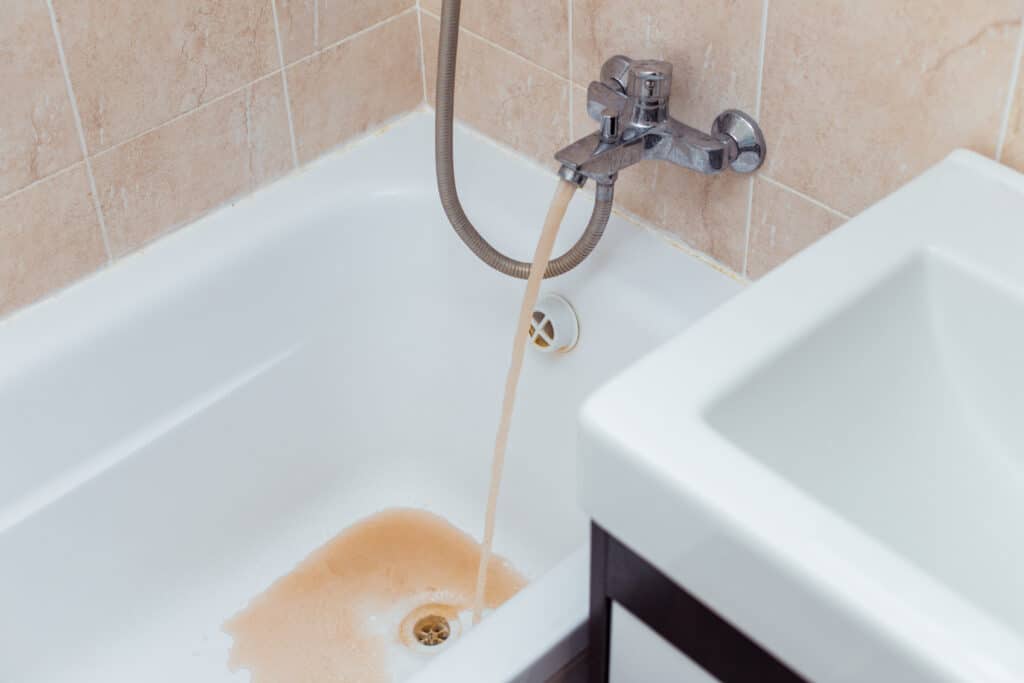
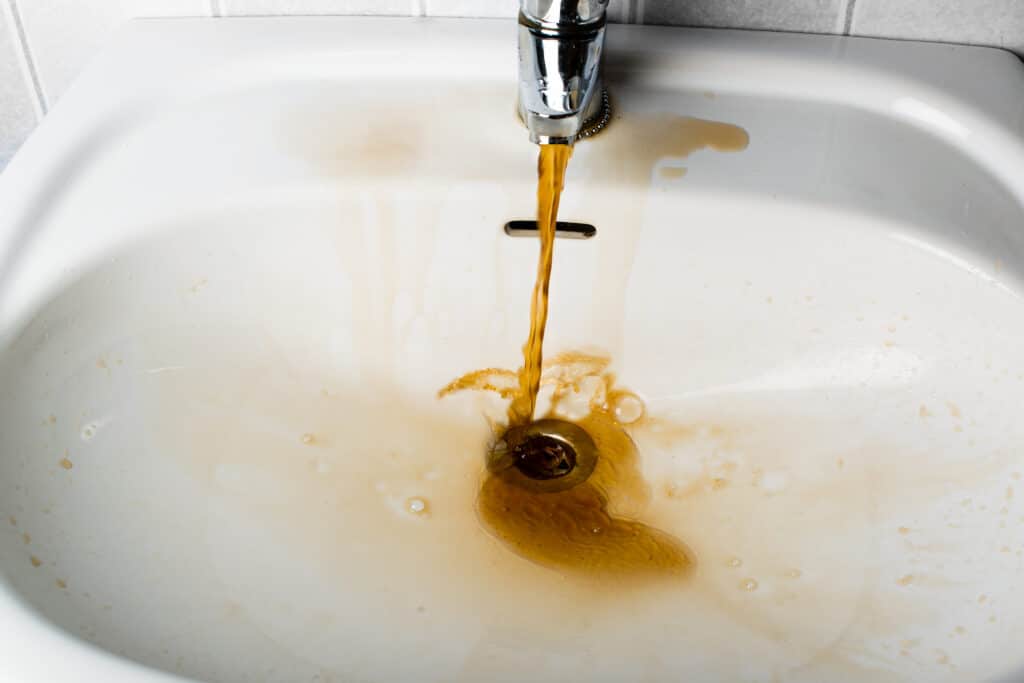
You may be alarmed or concerned if you turn on the tap and see discolored water flowing into your sink. Whether your water appears brown, yellow, or even green, it’s important to identify the cause and take the necessary steps to fix it. In this post, we’ll explore the common reasons for discolored water and how you can get clean, clear water back in your home.

Common Causes of Discolored Water

Rust and Sediment Buildup

Over time, pipes can accumulate rust and sediment, which may get stirred up due to:

Water Main Repairs or Maintenance — Work on your pipes can disrupt water flow, leading to temporary discoloration. 

Aging Pipes —  Old plumbing, especially when made of iron or steel, can accumulate rust and sediment. 

Increased Water Flow or Pressure Changes — Sudden changes in water pressure or flow can stir up deposits, causing them to flow through your taps. 

If you see rust or sediment discoloring your water, run cold water for a few minutes to flush out any sediment. If the problem persists, consider pipe replacement or installing a sediment filter. You may also need professional plumbing services to clean or replace your pipes.

Corroded Pipes

Old metal pipes, especially those made of iron or steel, can corrode, releasing rust into the water. This often results in brown, reddish, or yellowish water, which isn’t harmful but can look unappealing and stain fixtures.  

If your home has old plumbing, you may need to call a professional to replace corroded pipes. You may also consider installing a water softener to help reduce mineral buildup. Avoid using chemical drain cleaners as these can accelerate corrosion. 

Rubber materials such as gaskets or O-rings can also break down and release black particles into your water. Make sure these get replaced regularly to prevent water contamination. 

Municipal Water System Issues

Public water systems sometimes undergo maintenance or experience disruptions that can temporarily cause discolored water. Public water systems may also spring leaks, become contaminated, or have issues from aging infrastructure. 

If the issue doesn’t seem to originate in your home, check with your local water authority for any reported issues. If it’s a temporary issue, running your taps for a while can help clear the water.

discolored water, water tastes odd, Plumbing In Ogden, UT

High Levels of Minerals

Natural minerals like iron and manganese can give water an off-putting hue. Iron can cause water to appear yellow, orange, or reddish-brown. Manganese can cause water to be yellow or brown, and tannins, which are dissolved organic matter such as decaying leaves, can cause water to turn yellow or brown. 

If you are concerned about your water, you can purchase a water test to determine the mineral content in your water. You can also install a filtration system to help remove excess minerals.

Algae Growth (Green or Blue)

If your water appears green or blue, it could be due to algae growth in the water supply or issues with copper plumbing. Aglae can occur when there is a blockage in a filter or buildup in another part of your plumbing system. Copper pipes can leave a greenish coloration in water over time due to wear and tear. You will notice stains in your sinks and tub if there is copper in your system. 

If algae are the cause, flush your pipes or install a UV filter to help. If it’s related to copper corrosion, have your water tested and adjust pH levels accordingly. Large amounts of copper in your water can cause health problems, so make sure you take action as soon as possible 

Hot Water Heater Issues

If only your hot water is discolored, you may have an issue with your water heater. Sediment buildup inside the heater or a corroded anode rod can cause brown or yellow water.

Flush your water heater annually to remove rust and sediment buildup and replace the anode rod if it’s corroded. If the problem continues, you may need to call a professional to perform an inspection. 

how to fix discolored water

When to Call a Professional

If discolored water persists despite flushing your system, or if you notice a metallic taste, strong odors, or sudden water pressure changes, you may want to call a plumber or your local water provider to diagnose and fix the issue. You don’t want to consume or use potentially harmful water. 

Don’t Panic When You See Discolored Water

Discolored water can have many causes, ranging from harmless sediment disturbances to serious plumbing issues. By identifying the issue and taking the right steps, you can ensure you and your family have safe, clean water to use and drink.

Filed Under: Plumber

low-flow fixtures faucet

As water conservation becomes a growing priority, low-flow fixtures, including toilets, faucets, and showerheads, have gained popularity in homes and businesses alike. But what are they and are they truly worth the investment? Let’s dive into the benefits and potential drawbacks of these water-saving fixtures.

What Are Low-Flow Fixtures?

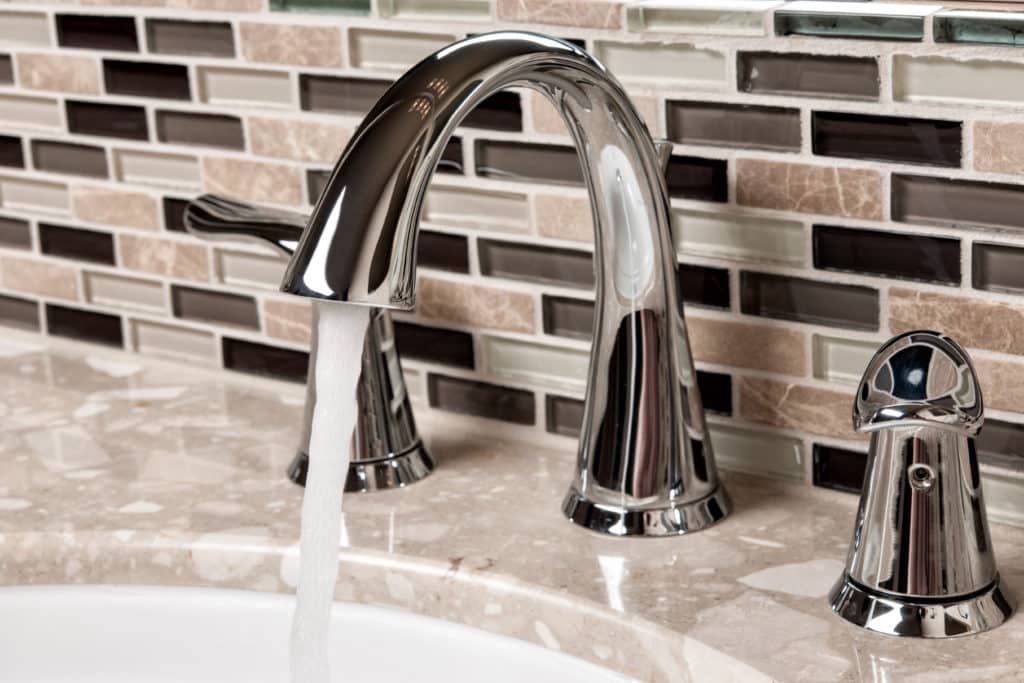
Low-flow fixtures are designed to use less water than conventional models while still retaining the same water pressure and performance. A standard toilet uses around 3.5 to 7 gallons per flush (GPF), while low-flow toilets use as little as 1.28 GPF. Similarly, standard faucets typically flow at 2.2 gallons per minute (GPM), whereas low-flow models reduce water usage to 1.5 GPM or lower.

Benefits of Low-Flow Fixtures

Water Conservation and Environmental Impact — One of the best and the most obvious advantages is reduced water consumption. This helps conserve freshwater resources and is especially beneficial in drought-prone areas. 

Lower Utility Bills — Using less water means lower utility bills. Additionally, by heating less water and using less hot water, homeowners can also save on energy costs and prolong the lifespan of their water heater by putting less wear and tear on it. 

Environmental Impact — By using less water, these fixtures help reduce strain on municipal water supplies and wastewater treatment plants. This is especially positive for areas that experience extreme drought.  

Government Rebates and Incentives — Many local governments and utilities offer rebates for upgrading to water-efficient fixtures, making them more affordable. In Utah, you can get rewarded for replacing your toilet with a WaterSense-labeled low-flow toilet. 

Increased Property Value —  As homebuyers start to increasingly seek out eco-friendly home features, you can use your low-flow fixtures as a selling point. They will also increase your property value as they can be customized to complement or improve the look and aesthetic of your bathroom. 

Potential Drawbacks of Low-Flow Fixtures

low-flow fixtures toilet

Initial Cost — Some low-flow models can be more expensive than traditional versions, though rebates and long-term savings often offset this. They may also require adjustments to existing plumbing, potentially increasing the cost of installation, especially for older homes. 

Performance Concerns — Older low-flow toilets had a reputation for weak flush power, sometimes requiring multiple flushes or developing frequent or tough clogs. However, modern models have improved significantly in efficiency and performance.

Adjusting to Lower Pressure — Some users may initially notice a difference in water pressure with low-flow faucets, but aerators help maintain strong performance while using less water.

How to Choose the Right Low-Flow Fixtures

Look for WaterSense Certification — The EPA’s WaterSense label ensures that the fixture meets water efficiency and performance standards.

Consider Dual-Flush Toilets — These offer two flush options, one for liquid waste and one for solid waste, saving even more water and putting less demand on your toilet. 

Test Water Pressure Compatibility — Ensure your home’s plumbing system supports the lower pressure of these fixtures to prevent performance issues.

Tips to Avoid Common Low-Flow Problems 

Toilets — To get the most out of your toilet, pay attention to how much toilet paper you use and if you can reduce it to avoid potential clogs. You could even consider purchasing a bidet. You should also make sure to keep the toilet clean — especially under the rim, where the water comes out. If you have a dual-flush toilet make sure to use the half-flush option for liquid waste and the full flush for solid waste.

Faucets and Showerheads — Make sure to clean showerheads and faucet aerators regularly to avoid mineral buildup and dislodge any debris. This restricts water flow and will cause even worse performance with low-flow fixtures. 

You may also want to invest in professional plumbing maintenance. A plumber ensures your system is clean and working properly. They can also alert you to any potential issues. 

Real-World Impact

low flow fixtures showerhead

A study conducted by the Environmental Protection Agency (EPA) found that households switching to WaterSense-labeled low-flow toilets and faucets could save up to 13,000 gallons of water per year. This translates to approximately $140 in annual savings on water bills per household. 

Additionally, cities facing chronic droughts, such as Los Angeles and Phoenix, have implemented low-flow fixtures in both residential and commercial buildings, significantly reducing overall water consumption and easing pressure on reservoirs and groundwater supplies.

Are They Worth It?

For most homeowners, low-flow fixtures are well worth the investment. They provide long-term savings, help the environment, and contribute to water conservation efforts. Modern designs have improved dramatically, eliminating most concerns about functionality. If you want a cost-effective and eco-friendly upgrade, switch to low-flow fixtures.

Filed Under: Plumber

  • « Previous Page
  • 1
  • …
  • 10
  • 11
  • 12
  • 13
  • 14
  • …
  • 51
  • Next Page »

Address & Hours

Billing Address

691 N. 2075 W. Suite A

Marriott-Slaterville, UT 84404

Utah - (801) 528-4999

sbputah@gmail.com

Plumbing Services:

24/7


Office Hours:

M-TH 8am-5pm

Fri 8am-4pm

Directions

Follow Us

Contact Us

This field is for validation purposes and should be left unchanged.

2026 | S & B Plumbing | All Rights Reserved | Privacy Policy | Terms | XML Sitemap | Sitemap | Site by PDM