tankless water heaters, Utah

S & B Plumbing

801-528-4999 Book Now Customer Loyalty Program
  • Plumbing
        • Bathroom Remodeling
        • Emergency Plumber
        • Faucet Repair
        • Frozen Water Line
        • Gas Line Install & Repair
        • Hose Bibbs
        • Garbage Disposal
        • Kitchen Remodeling
        • Main Water Line
        • New Construction
        • Repiping
        • Sink Repair
        • Stop and Waste Valve
        • Sump Pumps
        • Toilet Repair
        • Water Filtration System
        • Water Leak Detection & Repair
        • Commercial Plumbing
        • Commercial Drain Cleaning
        • Backflow Testing
  • Water Heaters
    • Tankless Water Heater
    • Tankless Water Heater Maintenance & Error Codes 
  • Water Softener
  • Drain & Sewer
  • Industries We Serve
    • Residential 
      • Single-Family Homes
      • Apartment Complex Plumbing
      • Condominiums And Townhouses
    • Industrial
      • Manufacturing Plants
      • Warehouses and distribution centers
      • Automotive Facilities
    • Healthcare
      • Hospitals
      • Nursing Homes And Assisted Living Facilities
      • Clinics And Outpatient Centers
      • Dental Offices
      • Medical Offices
    • Municipal and Government
      • Public Buildings
      • Libraries
      • Parks and Recreational Facilities
    • Hospitality and Entertainment
      • Hotels and Resorts
      • Theaters and Performance Venues
      • Stadiums and Arenas
      • Event Venues and Convention Centers
    • Real Estate and Property Management
      • Property Management Companies
      • Real Estate Developers
      • Rental Property Services
    • Utilities & Infrastructure
      • Water Treatment Facilities
  • About Us
    • Service Area
    • Blog
    • Reviews
    • Contact Us
    • Schedule a Plumbing Service
    • Careers
    • Customer Loyalty Program
    • Coupons
  • Recent Projects

Pros and Cons of Different Types of Water Pipes

Home | Plumber | Page 11

Pros and Cons of Different Types of Water Pipes

When it comes to your home’s plumbing, you may not think much about your water pipes, but the type of pipe you choose can significantly impact the longevity, cost, and safety of your home’s water system. Each type of pipe comes with its own strengths and drawbacks, making it important to choose wisely based on your needs and budget. Here’s a breakdown of the most common types of water pipes used in homes. 

Copper Pipes

Pros: 

Copper water pipes are durable and can last for over 50 years. They won’t rust or degrade easily, so they work well in areas with hard water. They can also tolerate and retain heat when properly insulated, making them the ideal choice for hot water lines. Though not considered a green product, you can recycle old copper pipes. 

In addition, bacteria cannot thrive in copper, and these pipes can’t pollute water, so they can safely transport drinking water. 

Cons: 

These cost more than other types of pipes and require more fittings for turns and angles. They aren’t ideal for small, confined spaces. In highly acidic water, they can start to corrode. 

PEX (Cross-linked Polyethylene) Pipes

Pros:

These water pipes are flexible and easily snake through walls without needing joints. This mobility allows them to expand slightly under freezing conditions, reducing the risk of pipes bursting. They are also resistant to scale, chlorine, and degradation, and can last for a long time. They can be used indoors for hot and cold water applications. 

PEX pipes cost less than copper pipes and are much easier to install. 

Cons: 

These water pipes aren’t ideal for outside applications because they are sensitive to and start to degrade when exposed to UV rays. People have also noted an initial plastic taste in the water, raising concerns about chemicals leaching from the pipe material. These pipes are also less environmentally friendly than copper pipes. 

PVC (Polyvinyl Chloride) Pipes

Pros:
Pros and Cons of Different Types of Water Pipes

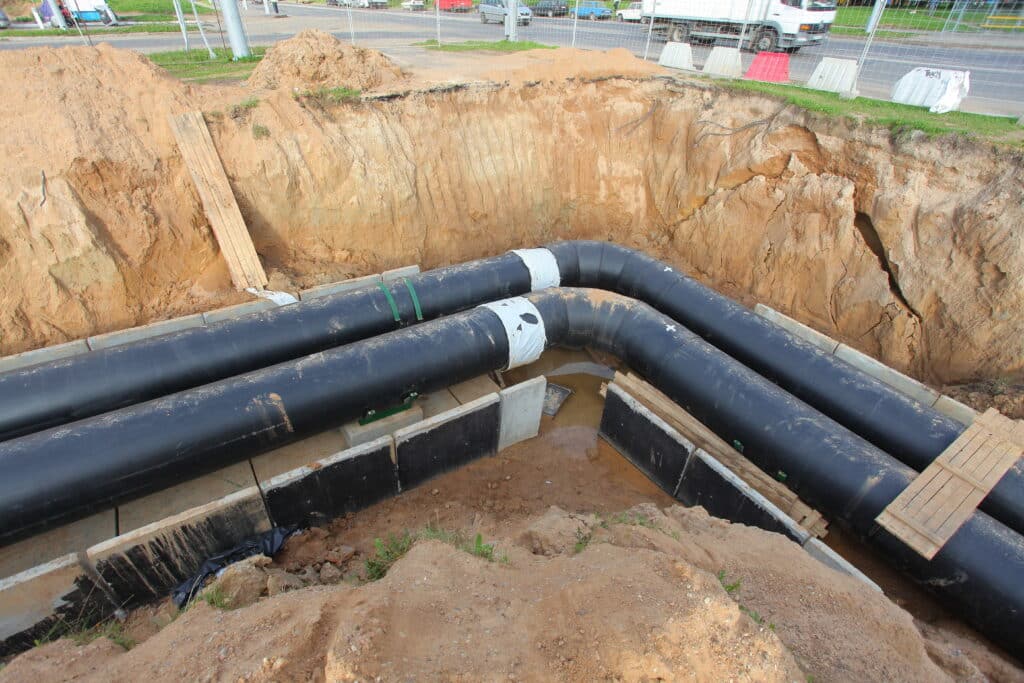
These water pipes cost less than most pipes and are easy to handle and install. They also won’t rust or degrade and can handle high pressure, making them a great choice for your main water line. They are also suitable for cold water distributions, underground, and places where the cost is the primary concern. 

Cons: 

You shouldn’t use these pipes for hot water because they are not heat-resistant and can warp. Many regions even restrict their use in hot water lines. In color climates, they may become brittle and break.

CPVC (Chlorinated Polyvinyl Chloride) Pipes

Pros:

Unlike PVC pipes, CPVC pipes can tolerate high pressure and hot water up to 200°F. These pipes are still cheaper than copper, durable, resistant to corrosion, and good for long-term use. They are also lightweight and somewhat flexible, making them easy to move and work with

Cons:

These water pipes are more brittle and prone to cracking than PEX pipes. They can also degrade when exposed to certain chemicals. They require solvent cement to install and need to be handled carefully. These pipes should only be used inside because they can break down when exposed to sunlight for extended periods.  

Galvanized Steel Pipes (mostly found in older homes)

Pros:

These pipes were once popular because of their toughness and ability to handle high water pressure. They can last up to 70 years and provide good rust protection because of the zinc coating. 

Cons: 

These pipes are heavy, hard to work with, and difficult to cut and fit. They are prone to corrosion over time and are often replaced during modern renovations. These pipes are also more prone to mineral buildup, which in turn makes them vulnerable to low water pressure. 

ABS (Acrylonitrile Butadiene Styrene) Pipes

Pros: 

These plastic pipes are durable, budget-friendly, and water- and corrosion-resistant. They are also easy to install. They can withstand extremely cold temperatures without becoming brittle. They are mostly used in sewer systems, drains, and electrical insulation. 

Cons:

Pros and Cons of Different Types of Water Pipes

These pipes contain BPA, so they are not suitable for drinking water. They are also sensitive to UV rays and can degrade from exposure. These pipes can also be louder than other pipes, and may be restricted or prohibited by local building codes. 

Which Pipes are Right for Your Home?

When choosing water pipes, consider your location, water quality, installation type, and budget. For new installations, people often choose PEX and copper, while older homes may need replacements for galvanized steel or PVC systems. Always consult with a licensed plumber to ensure compliance with local codes and optimal performance.

Filed Under: Plumber

How to Choose the Right Toilet for Your Home

When it comes to building or remodeling a home, you may not think a lot about the toilet you will put in your bathroom. But choosing the right one can significantly improve your bathroom’s efficiency, functionality, and comfort. Whether you want to renovate or replace an old, failing fixture, here’s everything you need to know to pick the perfect toilet for your home.

Consider the Toilet Type

You may not have realized it, but there are several types of toilets, each with unique features and installation requirements: 

Two-Piece Toilets — These are the most common type of toilet, which feature a separate tank and bowl. They are usually the most affordable and easiest to repair. 

One-Piece Toilets — These connect the tank and the bowl, making them look sleek and compact. They are easy to clean and work well in a smaller bathroom. 

Wall-Mounted Toilets — These are mounted on the wall, making them space-saving and modern. However, they require special plumbing and wall reinforcement. 

Smart Toilets — Smart toilets feature advanced technology, like heated seats, bidets, and self-cleaning functions. They may come at a premium cost but offer a luxurious experience in return. 

Measure the Rough-In Distance

The rough-in includes the distance from the wall behind the toilet to the center of the waste outlet. Most homes have a standard 12-inch gap, but older homes may have a 10 or 14-inch gap. For this reason, it’s important to measure it carefully to ensure your toilet will fit well and align with your plumbing system. 

Choose the Right Bowl Shape

Round Bowls — These are the most common because they are affordable and take up the least amount of space. They usually measure 16 and a half inches from the mounting holes to the front of the bowl rim, making them ideal for smaller bathrooms. 

Elongated Bowls —  These bowls are oval-shaped, making them longer, wider, and more comfortable, especially for adults. They measure about 18 inches from the mounting holes to the front of the bowl rim. However, they do take up more space, about two to six more inches from the wall to the toilet. 

Check the Flush Performance

Toilets now come with a variety of flush technologies:

How to Choose the Right Toilet for Your Home

Gravity-Feed — This flushing mechanism relies on gravity to draw water from the tank to the bowl. It is quiet, effective, and potentially less expensive than other mechanisms. It can also come in single-flush and dual-flush options. 

Pressure-Assisted — This mechanism utilizes a pressurized tank or system to force water into the bowl and deliver powerful flushing. It prevents clogs better than gravity-fed toilets, making it ideal for bigger households. However, it can produce a louder flush.

Dual-Flush — This one provides two flush options (typically 0.8 and 1.6 gallons), allowing you to use less water for liquid waste. It has a more complex design but allows you to contribute to water conservation. 

WaterSense Certified — These toilets are rigorously tested to meet EPA standards and use 20% less water than standard models. Most use 1.6 gallons per flush, but these use about 1.25 gallons per flush. 

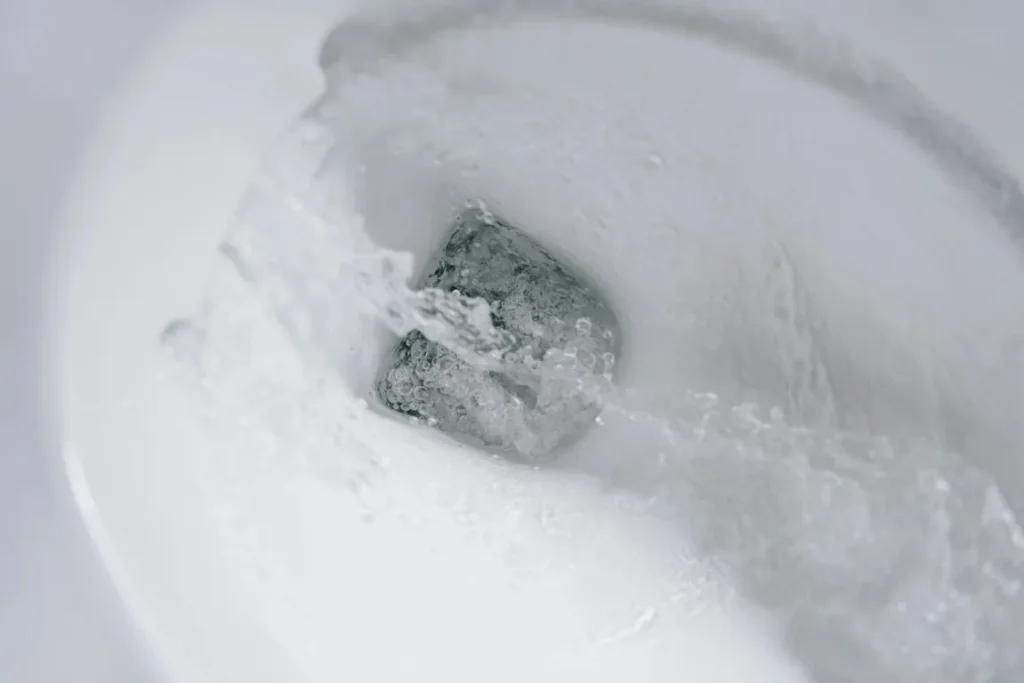
Tornado/Swirl Flush — Newer models allow water to swirl around the bowl to create a cleaner, more powerful flush. 

Look at Height and Accessibility

Standard toilets measure about 15 inches tall, but comfort height models measure about 17 to 19 inches, making them easier for older adults, people with mobility issues, and those who are very tall. 

You should also be mindful of plumbing layout, wall clearances, and nearby cabinetry before selecting size and shape.

Think About Style and Color

Toilets come in a variety of styles and colors. While white remains the most common choice, options like black, bone, or gray can transform your toilet into a sleek, modern statement piece. Consider choosing a model that complements your overall bathroom decor and style. 

Set a Realistic Budget

Toilets range from $100 to over $1,000, depending on features, brand, and smart additions. Set a budget, considering both initial cost and long-term savings from water efficiency and durability.

Installation & Maintenance Considerations

How to Choose the Right Toilet for Your Home

Two-piece toilets can usually be easily installed with basic tools, while wall-mounted or smart ones often require professional installation. You may want a model with easy-access flush valves and parts readily available at hardware stores. You may also consider a soft-close seat to prevent loud slamming and wear. 

Which Toilet is Right for You? 

Your toilet is one of the most-used fixtures in your home — so make sure you choose the right one. Prioritize comfort, functionality, and efficiency, and you’ll find a model that suits both your lifestyle and your bathroom’s design.

Filed Under: Plumber

Why Water Pressure Matters

Most people never think twice about the water pressure in their home until it’s either too weak to wash shampoo out of their hair or rinse gunk off a plate, or so strong that it feels more like a fire hose. But water pressure plays a bigger role in your home’s comfort, efficiency, and plumbing health than you might realize. Let’s break down why it matters and how you can make sure yours is just right.

What is Water Pressure? 

Water pressure refers to the force with which water is pushed through the pipes in your plumbing system. This pressure allows water to flow from your faucet, shower, and other fixtures. It is commonly measured in pounds per square inch (psi). Many people confuse water flow and pressure. Water flow refers to the amount of water moving through a pipe and is measured in gallons per minute (gpm).

Basically, water pressure describes the force, and water flow refers to the amount. 

5 Reasons Why Correct Water Pressure Is Important 

1. Comfort

Low pressure means disappointing showers, slow-filling tubs, and sluggish faucets. On the other hand, high pressure might feel great at first, but can cause splashing and even damage over time. Correct water pressure allows you to efficiently hand-wash dishes, take relaxing showers and baths, and brush your teeth. 

2. Appliance Efficiency

Washing machines, dishwashers, and even water heaters are designed to operate within a specific range of pressure. Too low, and they won’t perform well. Too high, and you risk damaging internal components. If you want clean dishes, soft, clean clothes, and consistent warm water, make sure you have ideal water pressure. 

3. Plumbing Protection

If your water pressure is too high, it can eventually put stress on your pipes, joints, and fixtures, leading to leaks or even burst pipes. Over time, that stress adds up, often showing itself in costly repairs.

4. Water Quality

Low water pressure can lead to stagnant water in your pipes, which increases the risk of bacterial growth and contamination. It can also reduce the effectiveness of water filters. Healthy water pressure allows for proper water circulation, ensures that water is delivered efficiently, and maintains quality and freshness. 

Why Water Pressure Matters

5. Water Conservation 

When water pressure is too high, it can lead to wasted water. Effective water pressure minimizes water waste, ensures that tasks are completed efficiently, and helps you reduce your environmental impact. 

What’s the Ideal Water Pressure?

The ideal water pressure for most homes sits between 40 and 80 psi. Many experts recommend aiming for around 50 psi as the sweet spot between performance and safety. Water below 40 psi can lead to slow-flowing faucets, and water above 80 psi can put strain on your plumbing system. 

How to Check Your Water Pressure

Buy a Pressure Gauge — You can find one at most hardware stores for under $20. It screws onto an outdoor faucet or a laundry room spigot.

Attach the Gauge — Attach the gauge to whatever spigot is closest to your main water line. Remove any hoses or fixtures and screw it firmly in place. 

Test the Water — Turn off all faucets and appliances that use water. Attach the gauge and turn on the spigot. The dial will show your home’s current pressure.

How to Adjust Your Water Pressure

If It’s Too Low

Check for clogs or leaks, as a build-up of sediment in your pipes or a leak could reduce your water pressure. Clean faucet aerators, showerheads, and other fixtures to remove mineral buildup that could restrict water flow. 

Inspect the Pressure-Reducing Valve (PRV), which controls the water pressure entering your home and can be found near your main shutoff valve. You can carefully adjust it by turning the screw clockwise to increase pressure.

If making small adjustments and cleaning your faucets doesn’t help with low water pressure, you may want to call a professional to see if you have an issue with your municipal supply or plumbing system. 

If It’s Too High

Why Water Pressure Matters

Try turning the PRV screw counterclockwise to lower the pressure. If this doesn’t work, you may need to replace the PRV as it could be malfunctioning. You could call a plumber to check the valve and see what condition it’s in. If you have a closed plumbing system, you could add an expansion tank, which absorbs excess pressure from thermal expansion. 

Correct Water Pressure is Essential 

You may not think water pressure is the most exciting or important part of home maintenance, but it’s essential to have the correct pressure when water flows through your pipes. Keeping it in check protects your plumbing, saves water, and makes everyday tasks easier and more efficient. 

Filed Under: Plumber

  • « Previous Page
  • 1
  • …
  • 9
  • 10
  • 11
  • 12
  • 13
  • …
  • 51
  • Next Page »

Address & Hours

Billing Address

691 N. 2075 W. Suite A

Marriott-Slaterville, UT 84404

Utah - (801) 528-4999

sbputah@gmail.com

Office Hours:

Mon - Fri: 8am - 5pm

Sat-Sun: Closed

Directions

Follow Us

Contact Us

This field is for validation purposes and should be left unchanged.
By submitting this form, you agree to receive calls, emails, and text messages from S&B Plumbing regarding your service request, appointment scheduling, estimates, technician updates, and related customer service. Message frequency varies. Message and data rates may apply. Reply STOP to opt out of text messages or HELP for assistance. View our Privacy Policy and SMS Terms and Conditions.

2026 | S & B Plumbing | All Rights Reserved | Privacy Policy | Terms | XML Sitemap | Sitemap | Site by PDM