tankless water heaters, Utah

S & B Plumbing

801-528-4999 Book Now Customer Loyalty Program
  • Plumbing
        • Bathroom Remodeling
        • Emergency Plumber
        • Faucet Repair
        • Frozen Water Line
        • Gas Line Install & Repair
        • Hose Bibbs
        • Garbage Disposal
        • Kitchen Remodeling
        • Main Water Line
        • New Construction
        • Repiping
        • Sink Repair
        • Stop and Waste Valve
        • Sump Pumps
        • Toilet Repair
        • Water Filtration System
        • Water Leak Detection & Repair
        • Commercial Plumbing
        • Commercial Drain Cleaning
        • Backflow Testing
  • Water Heaters
    • Tankless Water Heater
    • Tankless Water Heater Maintenance & Error Codes 
  • Water Softener
  • Drain & Sewer
  • Industries We Serve
    • Residential 
      • Single-Family Homes
      • Apartment Complex Plumbing
      • Condominiums And Townhouses
    • Industrial
      • Manufacturing Plants
      • Warehouses and distribution centers
      • Automotive Facilities
    • Healthcare
      • Hospitals
      • Nursing Homes And Assisted Living Facilities
      • Clinics And Outpatient Centers
      • Dental Offices
      • Medical Offices
    • Municipal and Government
      • Public Buildings
      • Libraries
      • Parks and Recreational Facilities
    • Hospitality and Entertainment
      • Hotels and Resorts
      • Theaters and Performance Venues
      • Stadiums and Arenas
      • Event Venues and Convention Centers
    • Real Estate and Property Management
      • Property Management Companies
      • Real Estate Developers
      • Rental Property Services
    • Utilities & Infrastructure
      • Water Treatment Facilities
  • About Us
    • Service Area
    • Blog
    • Reviews
    • Contact Us
    • Schedule a Plumbing Service
    • Careers
    • Customer Loyalty Program
    • Coupons
  • Recent Projects

The Ultimate Guide to Septic System Maintenance and Care

Home | Plumber | Page 10

The Ultimate Guide to Septic System Maintenance and Care

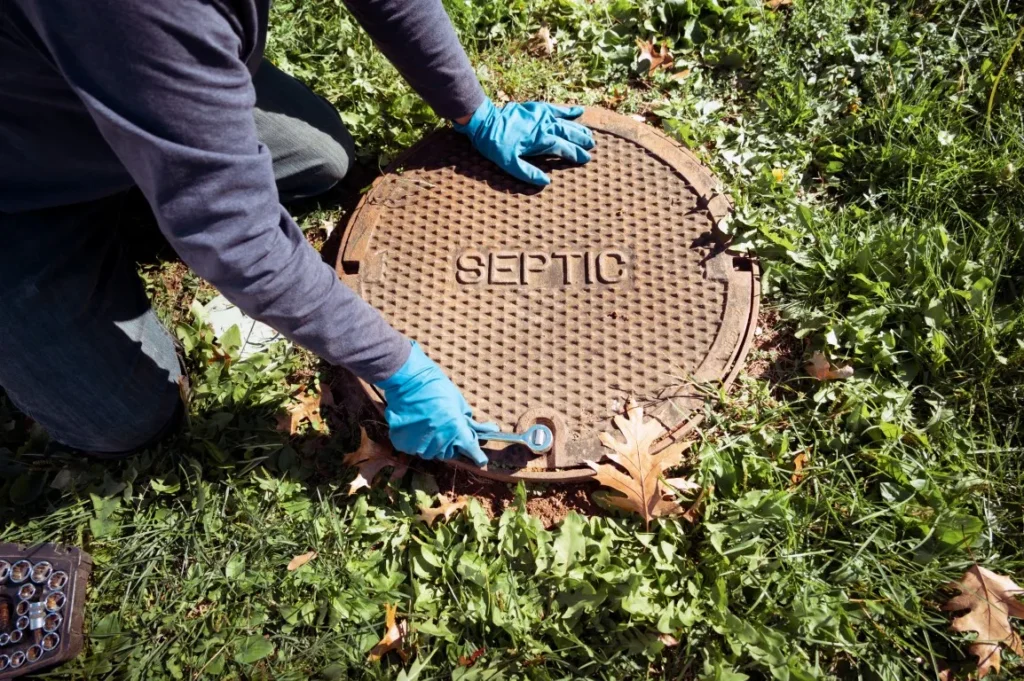
If your home isn’t connected to the municipal sewer system, you most likely rely on a septic system to manage your household waste. While septic systems are efficient and long-lasting, they require regular maintenance to function properly. Failing to address septic care can lead to costly repairs, unpleasant odors, and even environmental contamination. Fortunately, with a little knowledge and routine attention, you can have a well-functioning septic tank for many years. 

What Is a Septic System?

A septic system is an underground wastewater treatment structure commonly used in rural areas. It consists of a septic tank and a drain field (or leach field). Wastewater from your home flows into the septic tank, where solids settle to the bottom (sludge) and oils float to the top (scum). The liquid in the middle (effluent) exits the tank into the drain field, where the soil naturally filters it. It also contains anaerobic bacteria that break down the solids, reducing their volume. 

Why Maintenance Matters

Proper septic system maintenance:

  • Prevents backups and overflows in your home and yard, which can spread disease-causing bacteria and viruses. 
  • Extends the life of your system and saves you thousands in replacement costs
  • Protects the environment, especially nearby groundwater and drinking water sources. 
  • Helps you comply with local health regulations and avoid potential fines. 

Key Tips for Septic System Maintenance

Pump Your Tank Regularly

Your septic tank needs to be pumped every three to five years, depending on household size, total wastewater generated, volume of solids in wastewater, septic tank size, and usage. A professional inspector can help you determine the right schedule. 

Watch What Goes Down the Drain

Avoid flushing or draining items like:

  • Fats, oils, and grease (FOG)
  • Feminine hygiene products
  • Diapers and wipes (even “flushable” ones)
  • Paper towels
  • Coffee grounds
  • Harsh chemicals and antibacterial cleaners, such as bleach and drain cleaners
  • Pharmaceuticals 

These things can disrupt the natural bacteria in your system or cause clogs. 

You should also be mindful of how often you use your garbage disposal. Bacteria digests food waste slowly, so it can accumulate as scum and sludge. What you put down the disposal and how often you use it will determine how often you need your septic tank pumped. 

Use Water Efficiently
The Ultimate Guide to Septic System Maintenance and Care

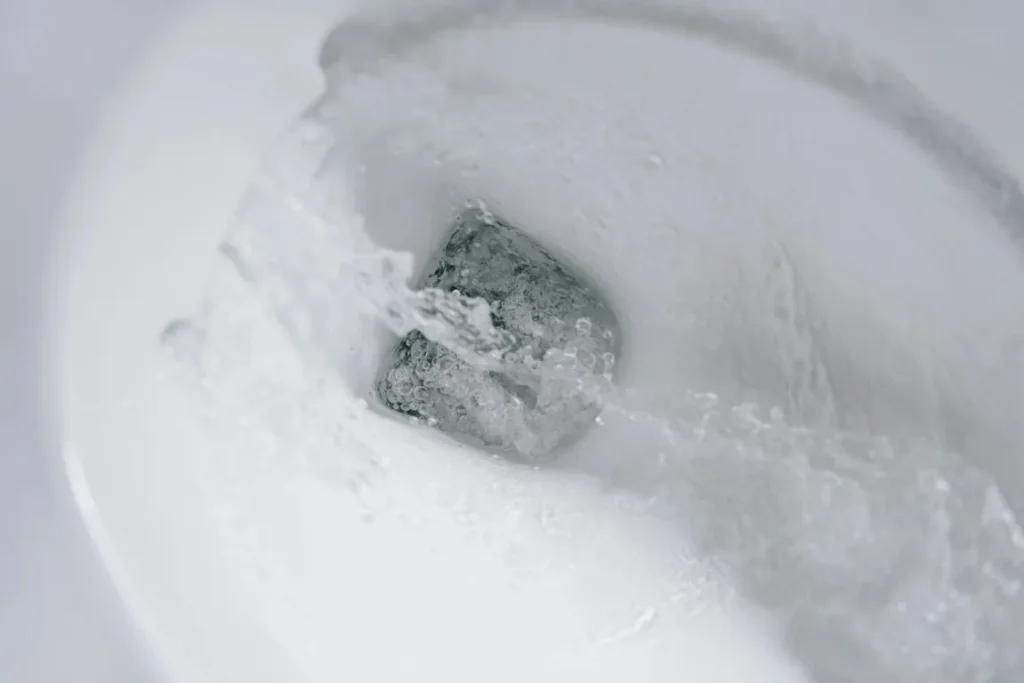
Excessive water usage can overload your septic system. A leaky or running toilet can add as much as 200 gallons of water per day. To keep your septic system running efficiently, fix leaky faucets, install high-efficiency toilets, and spread out laundry loads. 

A high-efficiency toilet uses 1.6 gallons less of water per flush than a regular toilet, and an Energy Star-labeled washing machine uses 35 percent less energy and 50 percent less water than standard models. Installing faucet aerators and high-efficiency showerheads can also cut down on water usage and volume. 

Protect the Drain Field

Most drain fields aren’t built to handle vehicles or heavy equipment. Never park or drive a car on a drain field or store heavy equipment. You should also avoid building any structures in or on the drain field and planting any trees, shrubs, or vegetable gardens nearby. Ensure excess water from downspouts or sump pumps is directed away from the field. 

Inspect Your System 

Every three years, you should have your septic tank professionally inspected. If you have an alternative system with electrical float switches, pumps, or mechanical components, you should opt for an annual inspection. A professional can identify issues before they become serious problems. 

Signs Your System May Need Attention

Call a professional if you notice:

  • Slow drains or gurgling pipes
  • Foul odors near the tank or drain field
  • Wet or mushy areas in your yard
  • Sewage backing up into the house

These could indicate a clog, a full tank, or a system failure. You should take immediate action, as a malfunctioning septic system poses a risk to human and animal health. A quick response can prevent illness, save you money in repairs, and protect the environment. 

The Ultimate Guide to Septic System Maintenance and Care

Take Care of Your Septic System to Protect You and the Environment

Septic systems don’t need a lot of complicated care and attention to function properly; they just require consistency and awareness. By following basic maintenance guidelines, including pumping the tank regularly, using water wisely, and watching what goes down the drain, you can avoid costly repairs and ensure your system runs smoothly for many years. A little prevention goes a long way, but when in doubt, consult a septic professional to keep your system healthy and your home and the environment safe.

Filed Under: Plumber

Summer Plumbing Issues and How to Avoid Them

As temperatures rise and summer activities ramp up, your plumbing system can face unexpected strain. From watering your lawn to hosting barbecues, the warmer months often bring unique challenges. Fortunately, with a little preparation and awareness, you can prevent most summer plumbing problems. Here’s a look at the most common issues and tips to keep your plumbing in top shape all season long.

1. Clogged Garbage Disposals

Summer means more outdoor meals, gatherings of friends and family, and fresh produce, which can lead to overuse — and misuse — of your garbage disposal. Corn husks, melon rinds, grease, and fibrous vegetables can clog or damage your disposal.

How to Avoid Problems:

  • Don’t put grease down the drain, it can solidify and clog your disposal.
  • Avoid putting hard or fibrous scraps down the drain.
  • Run cold water before and after using the disposal.
  • Cut waste into smaller pieces before disposal.

2. Sewer Line Backups

Summer storms or heavy rain can overwhelm municipal sewer systems and lead to sewer line backups. Tree roots also actively seek out water sources during hot weather, sometimes infiltrating and damaging underground pipes. 

How to Avoid Problems:

  • Have your sewer line inspected annually, especially if you have older pipes or large trees nearby.
  • Avoid flushing anything other than toilet paper and waste down the toilet.
  • Install a backwater valve, which can prevent sewage from backing up into your home during heavy storms. 
  • Avoid planting trees and large shrubs near your sewer line. 

3. Washing Machine Overload

Outdoor summer activities can lead to an increase in dirty clothes, swimsuits, and towels. These extra loads can strain your washing machine hoses, leading to leaks or drainage issues, especially if they are old or worn out.

How to Avoid Problems:

  • Don’t overload your washing machine.
  • Inspect hoses for signs of wear or leaks.
  • Ensure your machine is level to prevent vibration damage. 
  • Replace your washing machine hoses every three to five years. 

4. Sprinkler System Leaks

Summer Plumbing Issues and How to Avoid Them

Sprinklers get a lot of use during the summer, and they may be vulnerable to wear and tear and become damaged from foot traffic or lawnmowers. They may also waste water if they have underground, unseen leaks. 

How to Avoid Problems:

  • Inspect sprinkler heads regularly for damage. 
  • Set timers to avoid overwatering and high water bills. 
  • Hire a professional for a seasonal check-up if needed. 

5. Low Water Pressure

High water demand and use during the summer can lead to noticeable drops in water pressure. However, it may also signal a leak, corrosion, or mineral buildup in your pipes.

How to Avoid Problems:

  • Clean faucet aerators and showerheads.
  • Check for hidden leaks around your home. 
  • Test your water pressure.
  • Schedule a professional inspection if the problem persists. 

6. Clogged Drains

During the summer, your drains will see an increase in activity. From summer cooking and showering, to bathing dirty kids, your drains are at risk of developing blockages from dirt, sand, pebbles, and food scraps. 

How to Avoid Problems:

  • Be mindful of what you put down your drains.
  • Avoid flushing excessive amounts of toilet paper or other non-biodegradable materials 
  • Regularly schedule drain maintenance to prevent clogs

7. Flooded Basement 

In the summer, you may experience severe thunderstorms or sudden downpours. This could lead to flooding, especially in your basement. 

How to Avoid Problems:

  • Install a sump pump, which will remove excess water. If you already have a sump pump, ensure it has power, is functioning properly, and has a backup system in case you experience a power outage. 
  • Maintain your plumbing system to prevent leaks or backups that could cause basement flooding.
  • Maintain your gutter system to prevent clogs and water seeping into the foundation of your home.
  • Maintain your sewer lines and septic tank to avoid clogs and flooding. 

Other Summer Plumbing Tips

  • Insulate exposed pipes as this not only prevents freezing in the winter but also heat expansion in the summer. 
  • Turn off outdoor water valves and disconnect hoses when you go on vacation to prevent leaks. 
  • Inspect all your faucets, pipes, and fixtures inside and outside regularly for leaks, corrosion, and damage.
  • Consider turning down your water heater’s temperature setting to conserve energy.
  • Learn how to shut off your water outlets in case of plumbing emergencies. 
Summer Plumbing Issues and How to Avoid Them

Avoid Plumbing Problems This Summer

A bit of preventative care goes a long way toward avoiding summer plumbing disasters. Stay aware, perform regular checks, and don’t hesitate to call a professional if something seems off. That way, you can enjoy your summer without worrying about plumbing problems.

Filed Under: Plumber

How Plumbing Evolved: From Ancient Civilizations to Today

We don’t often think about the privilege and convenience of modern plumbing — until something goes wrong. The systems that bring clean water in and take waste out have a long, fascinating history that dates back thousands of years. Today, we will explore how plumbing evolved from ancient innovations to the complex infrastructure we rely on today. 

Ancient Origins: Plumbing in Early Civilizations

The origins of plumbing can be traced back over 4,000 years to the Indus Valley Civilization (present-day Pakistan and northwest India). Cities like Mohenjo-Daro developed the first urban sanitation systems. Individual homes drew water from wells through conduits and sent wastewater to covered drains. They even had toilets and rudimentary sewers. 

Historians believe cleanliness was important to the Indus people because all houses, even the smallest ones, were connected to the public drainage system. 

The first copper pipes were discovered in ancient Egypt. These pipes were used to transport water within pyramids and palaces. They also dug wells as deep as 300 feet, which led to the invention of the water wheel.  Egyptians were also the first and only people to build bathrooms for the dead. 

These early societies began to understand the importance of managing water supply and sanitation and laid the groundwork for future developments.

Roman Ingenuity: Aqueducts and Public Baths

The Roman Empire revolutionized plumbing. Around 312 BCE, they began building vast networks of aqueducts to transport water over 57 miles from the mountains into cities. These aqueducts supplied public fountains, latrines, and lavish public baths. They were able to have hot water by heating the water in pipes with wood and furnaces. 

Romans also developed lead piping (from which we get the word “plumbing,” derived from the Latin plumbum, meaning lead). While the use of lead is dangerous and wouldn’t be used today, the engineering feats of ancient Rome remained unmatched for centuries.

The Middle Ages: A Step Backward

After the fall of the Roman Empire, much of Europe’s advanced plumbing infrastructure fell into disrepair. During the Middle Ages, indoor plumbing was rare, and sanitation practices declined. 

However, in other parts of the world, plumbing continued to evolve. Islamic cities in the Middle East maintained public baths and developed more sophisticated sewer systems, preserving some of the innovations from earlier civilizations.

The Renaissance and Beyond: A Slow Return

How Plumbing Evolved: From Ancient Civilizations to Today

The Renaissance brought a renewed interest in plumbing, hygiene, and engineering. In the 16th and 17th centuries, European cities began to build more advanced sewage systems.  In 1596, Queen Elizabeth’s godson, Sir John Harington, invented the first flush toilet. Though it was not widely popular at the time, it did spark the nickname “the John,” which is used to this day. 

In France, King Louis XIV installed a cast-iron plumbing system at the Palace of Versailles, though it remained rudimentary by today’s standards. It served the palace gardens and fountains for more than 330 years. 

In 1775, plumbing continued to evolve with the invention of the S-trap by Alexander Cummings. which prevented sewer gases from entering homes. 

The Industrial Revolution: Modern Plumbing Emerges

The 18th century brought rapid industrialization — and major breakthroughs in plumbing. Urban populations grew, prompting the need for reliable water supply and waste disposal systems. Cast iron and copper pipes were mass-produced, replacing wood and lead. 

In London, the Great Stink of 1858, caused by the overwhelming stench of untreated sewage in the Thames River, led to the world’s first modern sewer system, designed by engineer Joseph Bazalgette. His system diverted sewage away from the city center and out to the coast. 

In 1857, the first commercially available toilet paper was Joseph Gayetty and was advertised as “the great necessity of the age.” 

The 20th Century to Today: Clean, Convenient, and Complex

By the 20th century, indoor plumbing had become standard in most developed countries. Innovations like the modern flush toilet, water heaters, and wastewater treatment plants have dramatically improved public health. 

How Plumbing Evolved: From Ancient Civilizations to Today

Today, plumbing continues to evolve with water-efficient appliances, low-flow fixtures, touchless faucets, and motion-sensor toilets. These have been integrated into residential and commercial properties to not only provide a comfortable experience but also help conserve water. 

Will Plumbing Continue to Evolve?

From ancient aqueducts to smart toilets, plumbing has evolved a lot. But it’s more than just pipes and toilets — it’s a key pillar of public health and human comfort. Learning about the history gives us a new appreciation for the modern fixtures and clean, safe water we have, as well as the inventors who made it all possible.

Filed Under: Plumber

  • « Previous Page
  • 1
  • …
  • 8
  • 9
  • 10
  • 11
  • 12
  • …
  • 51
  • Next Page »

Address & Hours

Billing Address

691 N. 2075 W. Suite A

Marriott-Slaterville, UT 84404

Utah - (801) 528-4999

sbputah@gmail.com

Office Hours:

Mon - Fri: 8am - 5pm

Sat-Sun: Closed

Directions

Follow Us

Contact Us

This field is for validation purposes and should be left unchanged.
By submitting this form, you agree to receive calls, emails, and text messages from S&B Plumbing regarding your service request, appointment scheduling, estimates, technician updates, and related customer service. Message frequency varies. Message and data rates may apply. Reply STOP to opt out of text messages or HELP for assistance. View our Privacy Policy and SMS Terms and Conditions.

2026 | S & B Plumbing | All Rights Reserved | Privacy Policy | Terms | XML Sitemap | Sitemap | Site by PDM