Call Anytime 24/7
tankless water heaters, Utah

S & B Plumbing

801-528-4999 Book Now Customer Loyalty Program
  • Plumbing
        • Bathroom Remodeling
        • Emergency Plumber
        • Faucet Repair
        • Frozen Water Line
        • Gas Line Install & Repair
        • Hose Bibbs
        • Garbage Disposal
        • Kitchen Remodeling
        • Main Water Line
        • New Construction
        • Repiping
        • Sink Repair
        • Stop and Waste Valve
        • Sump Pumps
        • Toilet Repair
        • Water Filtration System
        • Water Leak Detection & Repair
        • Commercial Plumbing
        • Commercial Drain Cleaning
        • Backflow Testing
  • Water Heaters
    • Tankless Water Heater
  • Water Softener
  • Drain & Sewer
  • Industries We Serve
    • Residential 
      • Single-Family Homes
      • Apartment Complex Plumbing
      • Condominiums And Townhouses
    • Industrial
      • Manufacturing Plants
      • Warehouses and distribution centers
      • Automotive Facilities
    • Healthcare
      • Hospitals
      • Nursing Homes And Assisted Living Facilities
      • Clinics And Outpatient Centers
      • Dental Offices
      • Medical Offices
    • Municipal and Government
      • Public Buildings
      • Libraries
      • Parks and Recreational Facilities
    • Hospitality and Entertainment
      • Hotels and Resorts
      • Theaters and Performance Venues
      • Stadiums and Arenas
      • Event Venues and Convention Centers
    • Real Estate and Property Management
      • Property Management Companies
      • Real Estate Developers
      • Rental Property Services
    • Utilities & Infrastructure
      • Water Treatment Facilities
  • About Us
    • Service Area
    • Blog
    • Reviews
    • Contact Us
    • Schedule a Plumbing Service
    • Careers
    • Customer Loyalty Program
    • Coupons
  • Recent Projects

Why Your Water Heater is Struggling in the Cold Weather: 5 Easy Maintenance Tips

Home | Plumber | Page 15

Is your water heater struggling to keep up with the cold weather? As temperatures drop, your heater has to work harder to provide hot water, often leading to issues that can leave you without warmth when you need it most. In this blog, we’ll explore why your water heater struggles in winter and provide simple solutions to keep it running efficiently all season long. Let’s make sure you stay warm and comfortable!

How Cold Weather Affects Your Water Heater

Here are two major ways that cold weather affects your water heater:
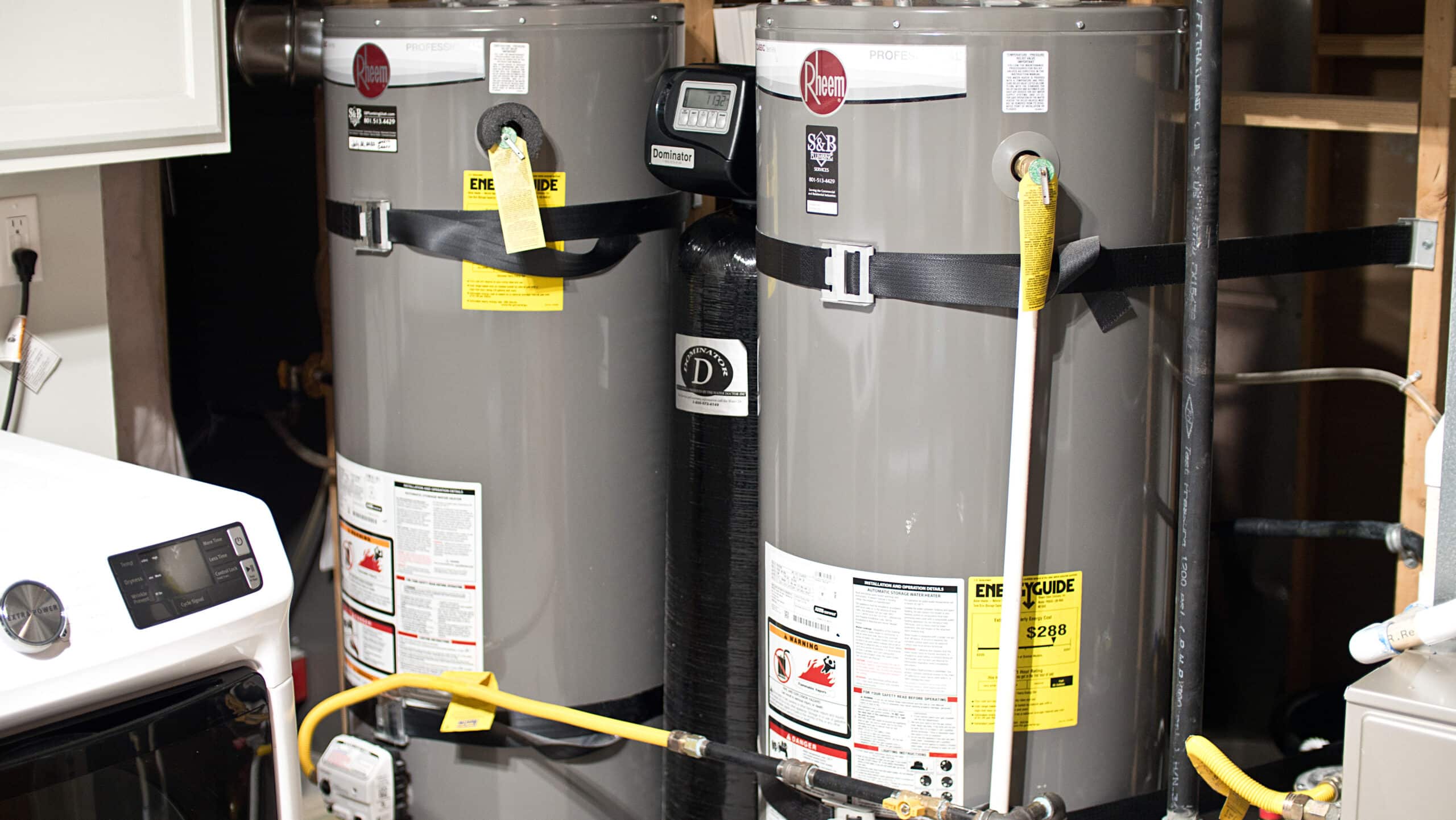
Why Your Water Heater Is Struggling in the Cold Weather and How to Fix It

Colder Incoming Water: In winter, the water entering your heater is much colder, forcing the unit to use more energy to heat it to the desired level. This can result in slower heating times and higher energy bills, especially if the incoming water is near freezing.

Increased Hot Water Demand: Winter also brings a surge in hot water use—longer showers, more baths, and more dishes to wash. This higher demand can cause your water heater to struggle, which makes it run out of hot water faster, particularly in larger households.

With these factors combined, your water heater is under more stress in the winter months. Regular maintenance and mindful usage can help your system perform better during the cold season.

Common Reasons Your Water Heater Struggles in Cold Weather

As temperatures drop, a number of issues can prevent your unit from operating efficiently. Here are the common culprits:

Frozen Pipes or Ventilation Issues

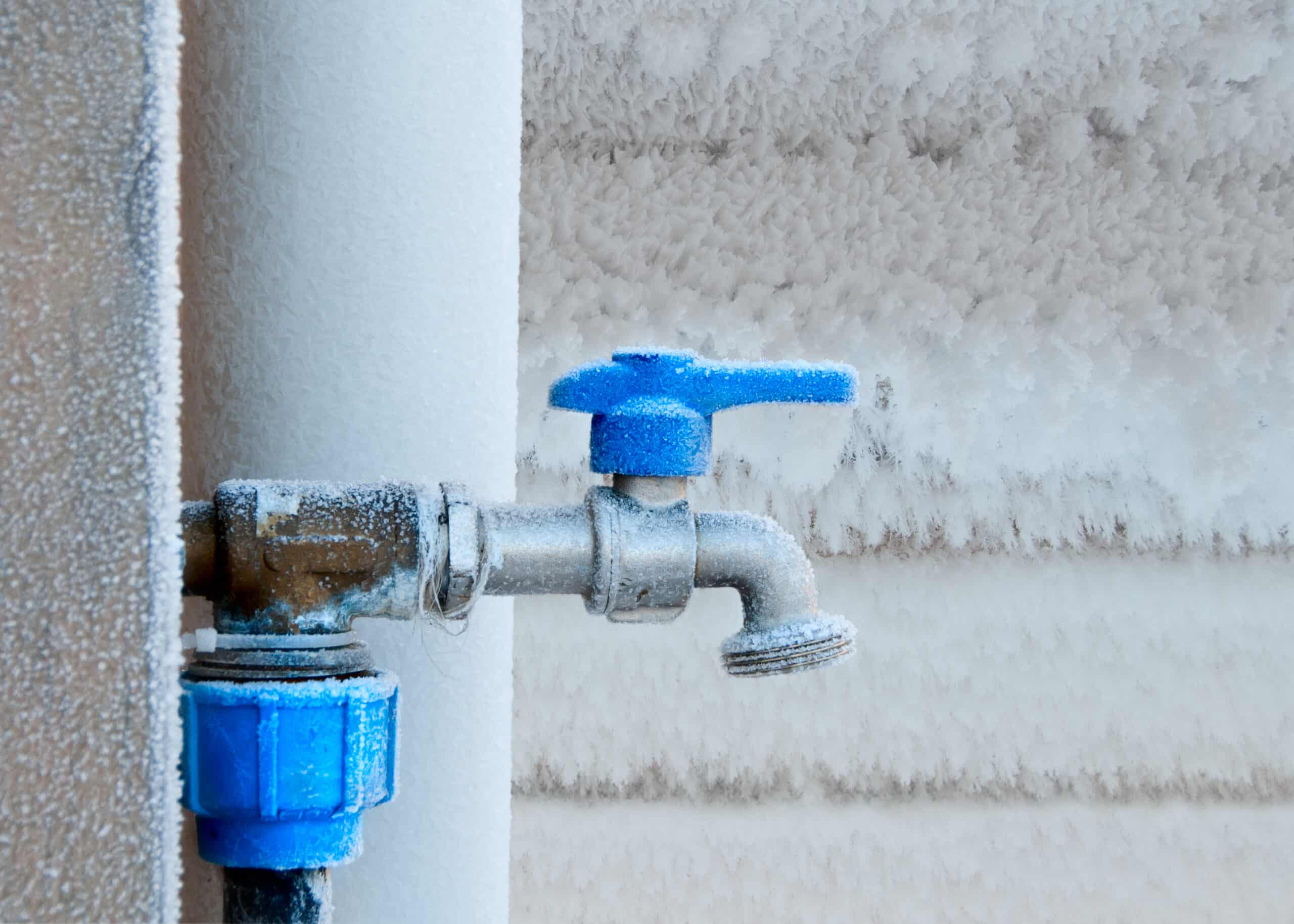
When the temperature dips, pipes running to or from your unit can freeze, restricting the flow of water or even causing complete blockage. In addition, cold weather can lead to blocked vents or exhaust systems and prevent your heater from venting properly, and potentially cause overheating or improper heating cycles.

Sediment Buildup in the Tank

Over time, sediment from minerals in your water accumulates in the bottom of your water heater tank. In colder weather, this buildup becomes more problematic and reduces your heater’s efficiency. The sediment acts as a barrier between the heating elements and the water, making it harder for the heater to transfer heat, which leads to slower heating times, more energy usage, and potential damage to the tank over time.

Old or Malfunctioning Thermostat

Your water heater’s thermostat is crucial for maintaining the correct temperature. In cold weather, a faulty thermostat can lead to inconsistent heating, leaving you with water that’s either too hot or not hot enough. An outdated or malfunctioning thermostat may not be able to adjust effectively to the increased demands of winter, which leads to poor temperature regulation and wasted energy.

Worn Out Heating Elements

Heating elements work harder in the winter to keep up with increased demand and the colder incoming water. This added strain can cause the elements to wear out faster and result in inconsistent heating or complete failure. If your unit struggles to maintain heat in the winter, worn-out heating elements could be the problem. Watch for signs like water taking longer to heat up, or inconsistent hot water temperatures.
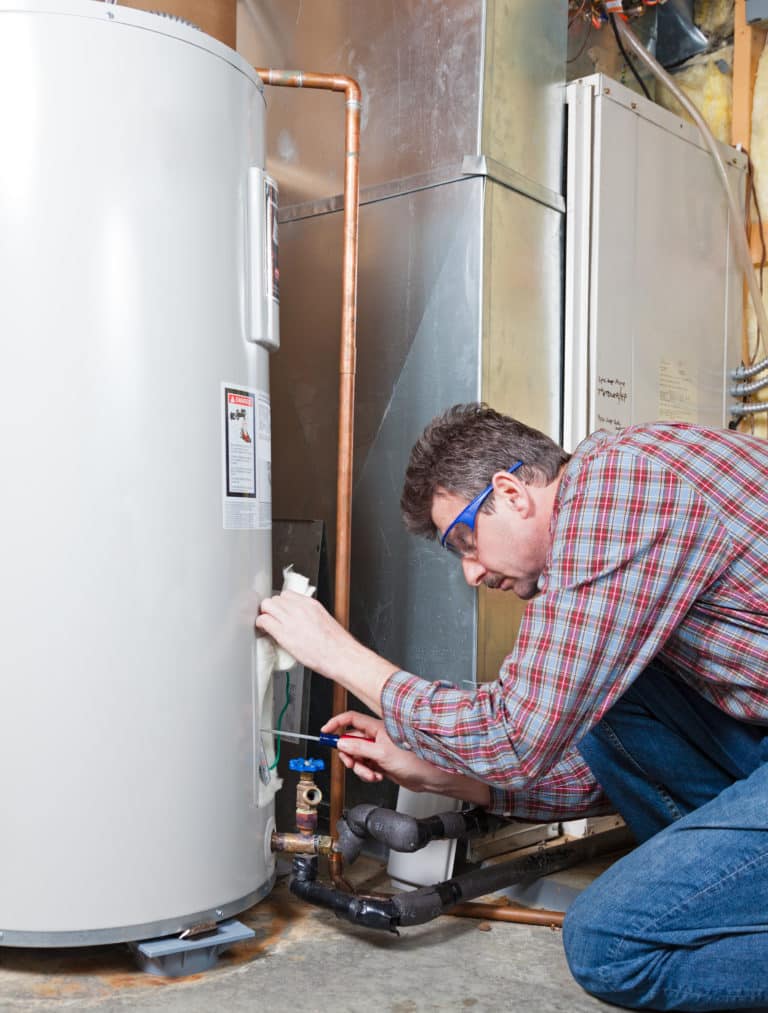
Why Your Water Heater Is Struggling in the Cold Weather and How to Fix It

How to Fix a Struggling Water Heater

When your water heater struggles in cold weather, taking action can save you from breakdowns and costly repairs. Here’s how you can keep it running efficiently:

Insulate Your Pipes: Use pipe insulation to prevent freezing, especially in unheated areas like basements or exterior walls. This helps ensure your water flows properly and reduces the risk of pipe damage.

Flush the Tank: Flushing your tank annually removes sediment buildup, which improves heating efficiency. To flush, turn off the power, attach a hose to the drain valve, and run cold water through the tank. Regular maintenance helps your heater run smoothly.

Check and Adjust Your Thermostat: Set your thermostat to 120°F for optimal performance. If it’s malfunctioning, it may need to be repaired or replaced to maintain a consistent water temperature and improve energy efficiency. 

Inspect and Replace Heating Elements: Worn heating elements may struggle to heat water in colder months. Look for signs like inconsistent temperatures or longer heating times, and replace any faulty elements to avoid complete failure.

Consider Upgrading Your Water Heater: If your unit is aging or underperforming, consider upgrading to a modern, energy-efficient model. Tankless water heaters, for example, heat water on demand and save energy.

By addressing these key areas, you’ll ensure your water heater performs efficiently throughout the winter, saving you money and hassle.

When to Call a Professionals at S&B Plumbing

If your water heater is showing signs of severe issues like inconsistent hot water, strange noises, or leaks, it’s time to call in the professionals. While minor adjustments can be handled at home, more complex issues require expert attention.

A professional plumber at S&B Plumbing can provide thorough inspections to make sure your system is operating efficiently and spot potential problems before they become major concerns. Regular maintenance from experts extends the lifespan of your unit and keeps it running smoothly.

Don’t wait until your water heater fails completely. Contact us today for prompt service and peace of mind.
Filed Under: Plumber

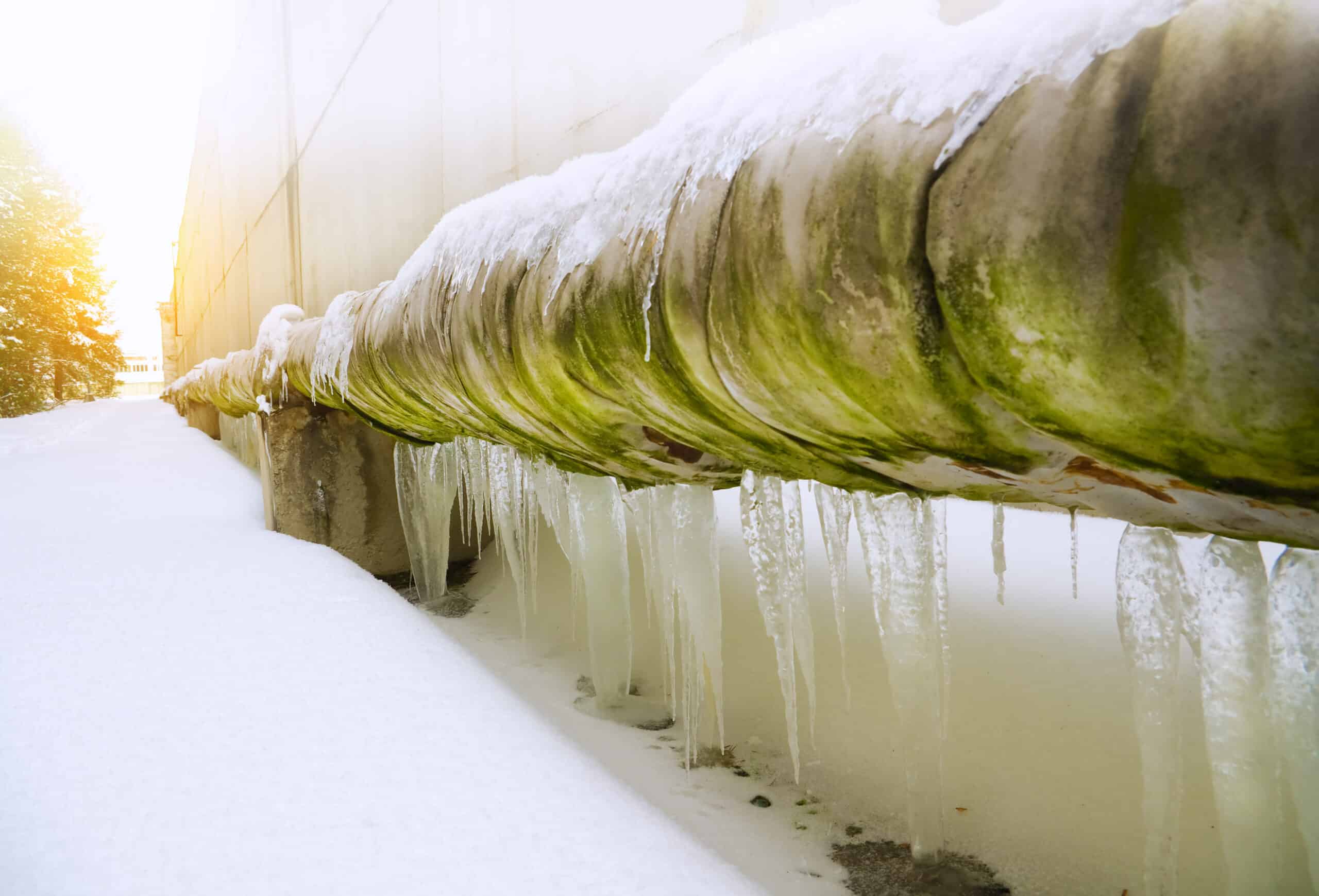
When winter rolls around, the last thing you want to deal with is frozen pipes. But why do some pipes freeze while others seem to handle the cold with ease? The answer is more complex than just location—it’s about the materials, insulation, water flow, and even the weather conditions outside. Understanding these factors can save you from costly repairs and frustrating water damage. Let’s explore why some pipes freeze and how you can protect them from the cold.

Factors Affecting Pipe Freezing

Why Some Pipes Freeze and Others Don’t: Important Winter Plumbing Tips

1. Pipe Location

    The location of pipes plays a critical role in whether the pipes freeze or not. Pipes that are exposed to colder areas, like attics, basements, or exterior walls, are at a higher risk of freezing. These areas are often poorly insulated, allowing extreme cold temperatures to directly affect the pipes. Without proper insulation, pipes in these areas can quickly drop below freezing, causing water to freeze and expand, leading to bursts. 

    Insulating pipes in these high-risk areas is essential in preventing freezing, and additional measures, such as leaving a faucet dripping, can help reduce the risk by keeping water flowing and reducing the chances of freezing. Ensuring that the vulnerable sections of plumbing are properly insulated can save homeowners from expensive repairs caused by frozen and burst pipes.

    2. Pipe Material

      Different pipe materials react to cold in various ways. Copper pipes, with high thermal conductivity, lose heat quickly and are more prone to freezing, which can lead to cracks or bursts. PEX pipes are flexible, allowing for slight expansion as water freezes, making them less likely to crack. PVC pipes, while durable, become brittle in cold temperatures and may crack. Insulating pipes in vulnerable areas, especially in areas exposed to the elements, is key to preventing freeze damage regardless of material.

      3. Water Flow

        Water flow plays a crucial role in preventing pipes from freezing. When water remains stagnant during extreme cold, it loses heat rapidly, increasing the risk of freezing and creating pressure that can lead to pipe bursts. By maintaining a slight, continuous water flow (such as leaving faucets slightly open), water movement helps distribute and retain residual heat to reduce the chance of freezing. This simple step is particularly effective for pipes in unheated areas or those exposed to subzero temperatures, offering a practical way to safeguard plumbing systems in winter.

        4. Insulation

          Insulation is a key defense against pipe freezing, particularly for those in unheated or exposed areas. Pipe insulation acts as a barrier, retaining heat and reducing exposure to freezing temperatures. Foam insulation sleeves are a cost-effective and easy-to-install option, ideal for most residential plumbing. Fiberglass insulation provides higher resistance for extreme conditions, while heat tape actively warms pipes, offering superior protection in colder climates. Using the appropriate insulation type ensures pipes stay above freezing, significantly reducing the risk of costly damages during winter. Proper installation and maintenance amplify its effectiveness, making it an essential winterization step.

          5. External Factors

            External factors like severe cold snaps and wind chill play a significant role in causing pipes to freeze. Prolonged exposure to subfreezing temperatures drastically lowers the temperature of water in pipes, making freezing more likely. Wind chill intensifies the problem by stripping away insulating layers of air around exposed pipes, especially in outdoor or poorly insulated areas. 

            Temperature fluctuations can also weaken materials over time, making pipes more susceptible to cracking or freezing. Unheated spaces, such as basements or garages, are particularly vulnerable during extreme weather, highlighting the need for proactive measures like insulation and temperature regulation.

            Why Some Pipes Freeze and Others Don’t: Important Winter Plumbing Tips

            Common Pipe-Freezing Areas in Homes

            Pipes often freeze in areas with poor insulation or exposure to extreme cold, such as under sinks near exterior walls, behind poorly insulated walls, or in unheated spaces like garages, crawl spaces, and attics. These locations are vulnerable due to their lack of warmth and proximity to cold air. Adding insulation, sealing drafts, or wrapping pipes can help reduce the risk of freezing and protect your plumbing during winter.

            What to Do if Pipes Freeze

            If your pipes freeze, act quickly to minimize damage. First, identify the frozen section—look for frost on pipes, reduced water flow, or unusual odors from drains. Once located, safely thaw the pipe by applying gentle heat using a hair dryer, heating pad, or warm towels; never use open flames or high heat, as this can damage the pipe. Be sure to keep faucets slightly open to encourage water flow during thawing. If pipes remain frozen or show signs of cracks or leaks, turn off the main water supply and call a professional plumber immediately to prevent further damage or flooding.

            Choose S&B Plumbing for Professional Plumbing Services

            S&B Plumbing is ready to help! We specialize in resolving frozen pipes to prevent damage and restore water flow quickly. Our experienced team uses effective techniques to safely thaw pipes and offers preventative maintenance to avoid future issues. Beyond frozen pipes, we provide a range of services, including water heater repairs, garbage disposal fixes, and comprehensive plumbing maintenance. Contact us today to see how we can help you.

            Filed Under: Plumber

            Pipe leaks are more than just an inconvenience—they can lead to costly damage if not addressed quickly. From small pinholes to major bursts, identifying the type of leak early is crucial. In this blog, we’ll dive into the different types of pipe leaks, their causes, and how to tackle them. Understanding these leaks will help you protect your home and prevent extensive plumbing issues down the line.

            Types of Pipe Leaks

            Understanding the Different Types of Pipe Leaks and How to Address Them

            Pinhole Leaks

            Pinhole leaks are small holes that form in metal pipes, typically due to corrosion. Over time, exposure to water, oxygen, and sometimes even chemicals causes metal pipes to weaken. Aging pipes, poor water quality (like acidic water), or high water pressure can speed up the corrosion process. Signs of the leak may be small but persistent, showing up as drips, water spots, or an increase in your water bill. These leaks are often hard to detect until water damage appears. 

            Cracked Pipes

            Cracked pipes are more severe, with visible cracks that can result in substantial water loss. Freezing temperatures, ground movement, or external physical damage (such as during construction or from tree roots) can weaken pipes. When frozen, water inside pipes expands and causes cracks. Large cracks often lead to flooding, significant water stains, and noticeable pressure loss. A sudden decrease in water pressure or the appearance of wet spots on the walls or floor may also indicate a crack.

            Joint Leaks

            Leaks at pipe joints or connections occur when seals or fittings fail. Poor installation, deterioration of materials over time, or even shifting pipes due to temperature fluctuations can cause joints to become loose or misaligned. Joint leaks may manifest as moisture around connection points, inconsistent water flow, or pooling water. While they might not cause flooding, they can result in higher water bills if not addressed quickly.

            Burst Pipes

            A burst pipe is the most catastrophic form of pipe leak, where the pipe completely ruptures, often causing substantial property damage. This typically occurs in winter when pipes freeze and crack under pressure, or from extreme water pressure or blockages that lead to stress on the pipes. A burst pipe causes a sudden, dramatic flow of water, resulting in significant flooding. Loss of water pressure, puddling water, and water flowing from unexpected places indicate a burst. Immediate action is required, as the damage can escalate quickly.

            By recognizing these signs early, homeowners can mitigate damage and save on repair costs. Regular inspections, proper pipe insulation, and quick action can prevent these issues from becoming major problems.

            How to Identify Pipe Leaks

            Identifying pipe leaks early can save you from significant water damage and costly repairs. Here are some key ways to detect leaks:

            • Visual Inspection: The first step is to visually inspect areas where pipes run, such as under sinks, in basements, or along walls and ceilings. Damp spots or water stains are often the first signs of a leak. If you notice discoloration or water damage on surfaces like walls or floors, it’s a red flag that a leak may be occurring. Checking insulation and around pipe fittings can also reveal hidden leaks.
            Understanding the Different Types of Pipe Leaks and How to Address Them
            • Listening for Sounds: Often, you can hear a leak before you see it. Dripping sounds or hissing noises can indicate a slow leak or a high-pressure burst. These sounds typically come from inside walls or under floors. If you hear these noises when water isn’t in use, it’s worth investigating further.
            • Water Meter Check: A simple but effective method for detecting hidden leaks is to monitor your water meter. Turn off all water sources in your home (including faucets, toilets, and irrigation systems) and check your water meter. If the meter is still running or showing movement, this could mean there’s a hidden leak somewhere in the system. This is especially useful for identifying leaks in pipes that are difficult to access. 
            • High Water Bills: If your water usage seems unusually high for the month, an unexpected increase in water bills could be a sign of a hidden leak. Small, slow leaks over time can add up, causing significant increases in your water bill. Compare your bills month by month to see if there’s any unexpected jump in usage. While many factors can contribute to higher bills, leaks are among the most common.

            By conducting regular inspections, paying attention to changes in your water meter or utility costs, and listening for odd sounds, you can catch leaks early before they cause expensive damage.

            How to Address Different Types of Pipe Leaks

            Here are a few ideas of how to address different types of pipe leaks:

            • Pinholes: Use epoxy putty or call a professional plumber to replace corroded sections.
            • Cracked Pipes: Temporary fixes can include pipe sleeves, but permanent repair usually requires pipe replacement. 
            • Joint Leaks: Tighten connections or replace deteriorating seals. Use pipe joint compound for a temporary solution.
            • Burst Pipes: Shut off the water supply immediately. Contact a plumber for emergency pipe replacement.

            Schedule Plumbing Repairs With S&B Plumbing

            When it comes to pipe leaks, being proactive is key to preventing damage. If you suspect a leak or have trouble identifying the source, it’s time to call in a professional. S&B Plumbing specializes in leak detection and repair, offering expert services to address all types of leaks from pinholes to bursts. Don’t wait for the problem to escalate—contact S&B Plumbing today to schedule a leak inspection or consultation. Our team of licensed plumbers will ensure your pies are leak-free and functioning properly.

            Filed Under: Plumber

            • « Previous Page
            • 1
            • …
            • 13
            • 14
            • 15
            • 16
            • 17
            • …
            • 51
            • Next Page »

            Address & Hours

            Billing Address

            691 N. 2075 W. Suite A

            Marriott-Slaterville, UT 84404

            Utah - (801) 528-4999

            sbputah@gmail.com

            Plumbing Services:

            24/7


            Office Hours:

            M-TH 8am-5pm

            Fri 8am-4pm

            Directions

            Follow Us

            Contact Us

            This field is for validation purposes and should be left unchanged.

            2026 | S & B Plumbing | All Rights Reserved | Privacy Policy | Terms | XML Sitemap | Sitemap | Site by PDM