Call Anytime 24/7
tankless water heaters, Utah

S & B Plumbing

801-528-4999 Book Now Customer Loyalty Program
  • Plumbing
        • Bathroom Remodeling
        • Emergency Plumber
        • Faucet Repair
        • Frozen Water Line
        • Gas Line Install & Repair
        • Hose Bibbs
        • Garbage Disposal
        • Kitchen Remodeling
        • Main Water Line
        • New Construction
        • Repiping
        • Sink Repair
        • Stop and Waste Valve
        • Sump Pumps
        • Toilet Repair
        • Water Filtration System
        • Water Leak Detection & Repair
        • Commercial Plumbing
        • Commercial Drain Cleaning
        • Backflow Testing
  • Water Heaters
    • Tankless Water Heater
  • Water Softener
  • Drain & Sewer
  • Industries We Serve
    • Residential 
      • Single-Family Homes
      • Apartment Complex Plumbing
      • Condominiums And Townhouses
    • Industrial
      • Manufacturing Plants
      • Warehouses and distribution centers
      • Automotive Facilities
    • Healthcare
      • Hospitals
      • Nursing Homes And Assisted Living Facilities
      • Clinics And Outpatient Centers
      • Dental Offices
      • Medical Offices
    • Municipal and Government
      • Public Buildings
      • Libraries
      • Parks and Recreational Facilities
    • Hospitality and Entertainment
      • Hotels and Resorts
      • Theaters and Performance Venues
      • Stadiums and Arenas
      • Event Venues and Convention Centers
    • Real Estate and Property Management
      • Property Management Companies
      • Real Estate Developers
      • Rental Property Services
    • Utilities & Infrastructure
      • Water Treatment Facilities
  • About Us
    • Service Area
    • Blog
    • Reviews
    • Contact Us
    • Schedule a Plumbing Service
    • Careers
    • Customer Loyalty Program
    • Coupons
  • Recent Projects

5 Common Hose Bib Problems and How to Fix Them

Home | Plumber | Page 26

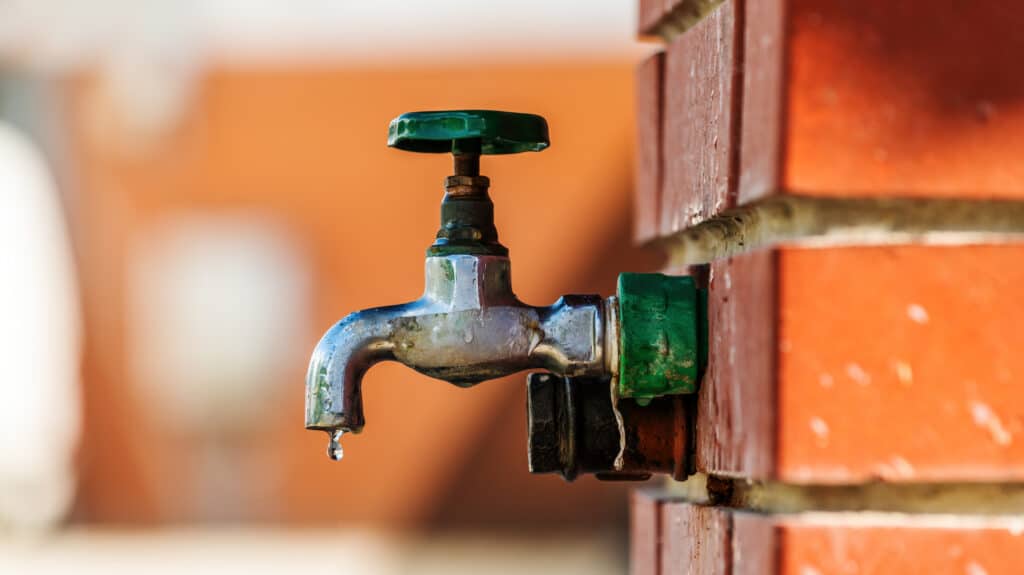
Hose bibs are essential components of residential plumbing systems, providing convenient outdoor water access for gardening, landscaping, and cleaning tasks. They facilitate hose attachment for watering plants, washing vehicles, and other outdoor activities. Hose bibs also play a crucial role in preventing freezing and bursting water pipes during cold weather, safeguarding the integrity of the plumbing system and minimizing potential damage to the home. There are several hose bib problems that can arise, so it is important to know how to fix them. 
hose bib problems, Ogden

1. Leaks and Drips

Leaks and drips from hose bibs can result from various factors, including worn-out washers, loose connections, damaged seals, or corrosion in the valve assembly. High water pressure or freezing temperatures can exacerbate these issues, leading to leaks that can waste water, cause water damage to the surrounding area, and drive up utility bills.

To identify and repair leaks from hose bibs, start by inspecting the hose bib for visible signs of damage, such as cracks, corrosion, or dripping water. Next, turn off the water supply to the hose bib and disassemble the valve assembly to examine the internal components for wear or damage. Replace any worn washers, seals, or damaged parts, and ensure all connections are tight and secure. Finally, reassemble the hose bib, turn on the water supply, and check for leaks. If leaks persist, consider contacting a professional plumber for further assistance.

2. Frozen Hose Bibs

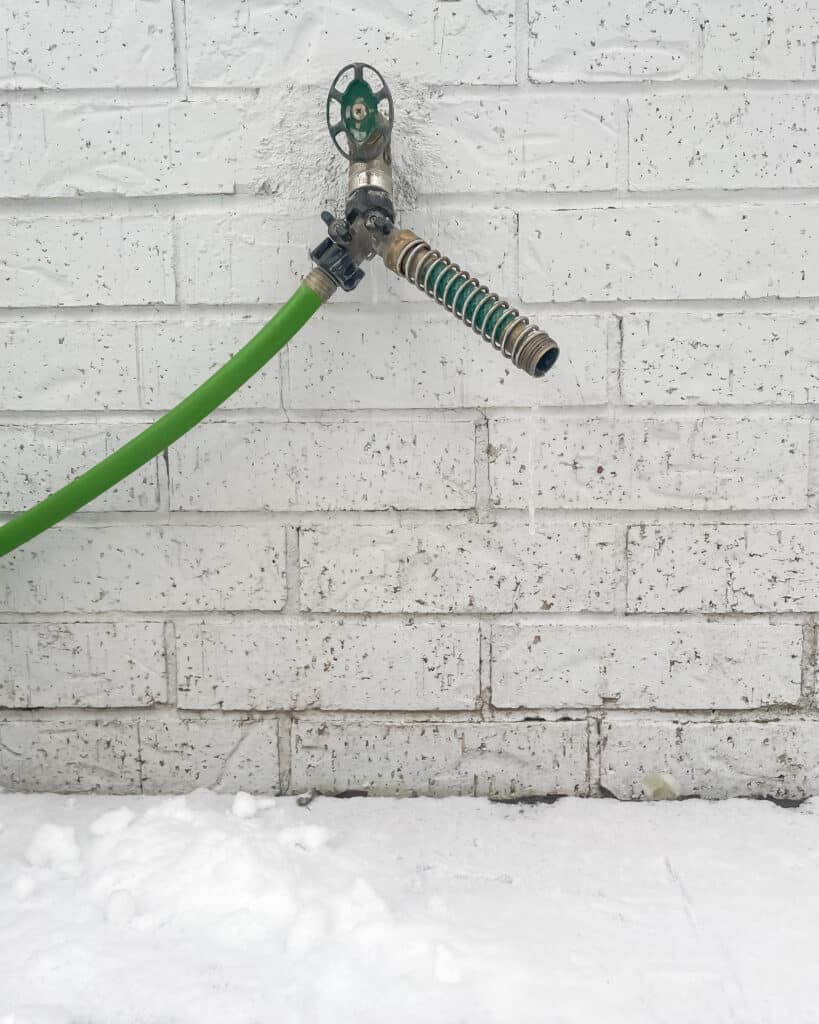
Another example of hose bib problems is when they freeze when water trapped inside them expands as it freezes, leading to pressure buildup and potential bursting of the pipe. This is especially common in colder climates or during sudden temperature drops. To prevent freezing, insulate hose bibs with foam covers or wraps, disconnect and drain hoses before winter, and shut off the water supply to outdoor faucets.

To safely thaw frozen hose bibs, start by turning off the water supply to the affected bib. Then, open the faucet to relieve pressure and allow water to flow once it thaws. Use gentle heat sources like a hair dryer, heat lamp, or towels soaked in warm water to gradually thaw the bib. Avoid using open flames or high-temperature sources, as they can damage the bib or pose fire hazards.

Long-term solutions for preventing hose bib freezing include installing frost-free hose bibs, which have a longer stem that extends into the heated interior of the building. Insulating pipes in unheated areas and adding heat tape or cables to vulnerable sections can also provide protection. You can also consider installing a shut-off valve inside the building to isolate outdoor faucets during winter months, further reducing the risk of freezing and damage. Regularly check for leaks and ensure proper insulation to maintain hose bib functionality throughout the winter season. 
hose bib problems, Ogden

3. Low Water Pressure

Low water pressure in hose bibs can stem from various factors such as mineral buildup in pipes, obstructions in the water line, or faulty valves. Additionally, leaks, damaged seals, or incorrect hose bib size can contribute to reduced water flow.

Troubleshooting low water pressure involves checking for clogged screens or filters, inspecting for leaks along the water line, and ensuring that valves are fully open. Flushing the system and removing mineral deposits can also help restore water pressure.

To improve water pressure, consider upgrading the to a larger hose bib size, installing a pressure booster pump, or replacing old pipes. Regular maintenance, such as cleaning filters and inspecting for leaks, can optimize hose bib performance and ensure consistent water pressure.

4. Backflow and Contamination

Backflow occurs when contaminated water flows backward into the clean water supply, posing health risks. Hose bibs are vulnerable to backflow from garden hoses submerged in stagnant water or connected to chemical sprayers. Backflow can be prevented by installing vacuum breakers or backflow prevention devices on hose bibs. Avoid submerging hoses in pools, buckets, or other sources of stagnant water.

Installing backflow prevention devices and conducting regular maintenance are crucial for safeguarding water quality. Ensure devices are properly installed and inspected annually to mitigate contamination risks and maintain a safe water supply.

5. Damaged or Malfunctioning Handles

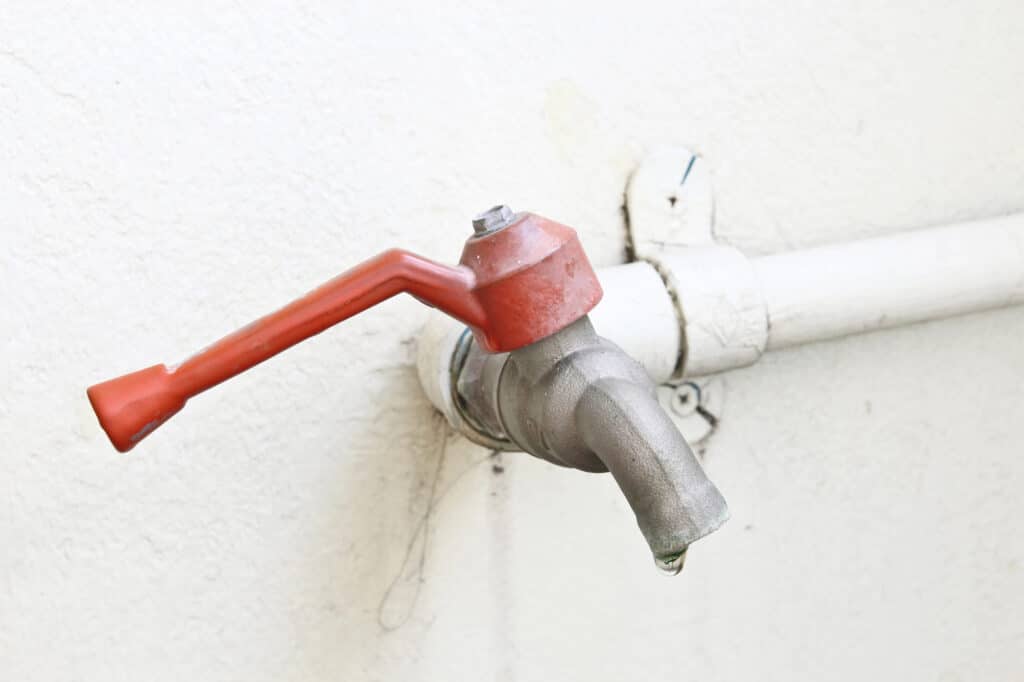
Signs of damaged hose bib handles include stiffness when turning, leaks around the handle base, or visible cracks or corrosion. These issues may indicate wear and tear, rust, or internal damage compromising the handle’s functionality.

Repairing or replacing a damaged hose bib handle starts with turning off the water supply. Remove the handle’s screw or fastener and carefully detach the handle from the stem. Inspect for any visible damage or worn components. Repair by replacing damaged parts or replace the entire handle if necessary, and lubricate moving parts with silicone grease before reassembling.

Opt for durable materials like brass or stainless steel for hose bib handles, which resist corrosion and withstand outdoor elements. Handles should be regularly inspected and lubricated to prevent corrosion and ensure smooth operation. Consider investing in handles with ergonomic designs or grip enhancements for added comfort and ease of use. Regular maintenance helps prolong handle longevity and maintains optimal functionality.
hose bib problems, Utah

Choose S&B Plumbing for Hose Bib Problems

Knowing how to diagnose and fix hose bib problems can be difficult at times, which is why choosing to have professionals fix them may be the best option. Our team at S&B Plumbing is skilled to diagnose all sorts of plumbing problems and fix them so they are functioning properly. Contact us today to get your hose bibs fixed, along with other issues like garbage disposals, faucet leaks, and clogged drains. 
Filed Under: Plumber

hose bibbs utah plumbing

Outdoor faucets or spigots are a key component of a home’s plumbing system. Hose bibbs go by many names, but they mainly help you with outdoor water needs. This guide will break down what a hose bib is, how they work, and how to care for them. Understanding the basics of hose bibbs will help you have access to your home’s water supply outdoors and prevent debris backup into your indoor water sources.

What Is A Hose Bib?

As previously mentioned, hose bibbs go by many names including outdoor faucets, hose faucets, hose attachments, outdoor taps, and spigots. They are typically mounted to the exterior wall of a building and help you access your home’s water supply from the outdoors. They consist of a valve mechanism to help provide you with water only when the water is turned on. Hose bibbs come in different sizes and configurations which can be used for different purposes. 

How Does A Hose Bib Work?

The main component of a hose bib is the valve. This controls the flow of the water by pushing a washer toward and away from the water flow when the water tap is turned off and on. 

Hose bibbs are connected to the home’s plumbing system and extend the water use to the exterior. A pipe delivers pressurized water to the hose bib so it is ready for outdoor tasks.

The hose bib also includes a spout where the water is released and where you attach the actual hose. The spout helps extend the water use even further by allowing the hose to reach different parts of your yard or garden. 

Types Of Hose Bibbs

Depending on your home’s needs, you may benefit from choosing a different type of hose bib than the standard option. Here are some of the most common types of hose bibbs.

  • Standard- The most common type of hose bib for residential homes features a simple knob or lever handle that will release the water. This type also has a threaded spout where people can attach a garden hose. 
  • Frost-free- These hose bibs are best for homes in a colder climate. They will reduce the risk of freezing because the spout extends farther from the home to allow water to drain once the faucet is turned off. This prevents standing water from freezing and causing pipe bursts. 
  • Wall-mounted- This is not technically a hose bibb, but hose reels that are mounted to the wall are still popular for homeowners. These conveniently store your hose and the reels include a built-in water outlet for an easy connection. 

Do Hose Bibbs Require Maintenance?

Like all home plumbing systems, hose bibbs need to be maintained to function properly. If you want the best results from your outdoor hose bib, perform maintenance tasks frequently. 

For homes in Utah or other colder climates, winterizing your plumbing is recommended. Winterizing your hose bibb requires you to shut off the water supply to this spigot and drain any remaining water from the hose bibb before the weather reaches freezing temperatures. 

Hose Bibbs 101: The Basics Of Outdoor Faucets

Plumbing fixtures are prone to corrosion and rust. Checking for these consistently can help prevent your pipes or hose bibbs from weakening. Corrosion on your hose bibb valve can cause irregularities in water pressure and eventually result in leaks. 

Leaks are common when it comes to home plumbing. Working to fix leaks promptly will help prevent expensive damage to your home. When it comes to fixing your hose bibbs, shut off the indoor water valve and drain the spigot. Depending on the cause of the leak, you may need to unscrew the hose bibb, replace the washer, replace the valve, or replace the spigot. If you are unsure of what is causing the leak, work with a professional plumber. 

Backflow Prevention Is Important

Backflow is where your water flows back into the main water supply. Hose bibbs should be installed with a backflow prevention system or backflow preventer to stop contamination from happening. Contamination of your potable water source can pose a lot of health risks and lead to serious illness. Backflow prevention is a crucial step when installing an outdoor hose bib. 

Hose Bib Services From S&B Plumbing

Our team has been providing quality plumbing systems for over 25 years. We offer multiple services for homes and businesses in Weber, Davis, Box Elder, and Salt Lake County. No matter what service you need, our team will work quickly and efficiently to improve your plumbing system. Our technicians travel with all the tools and parts they may need for the job, so your service will be completed in one visit. Reach out to our team in Marriott-Slatterville today!

Filed Under: Plumber

Common Sump Pump Problems And How To Troubleshoot Them

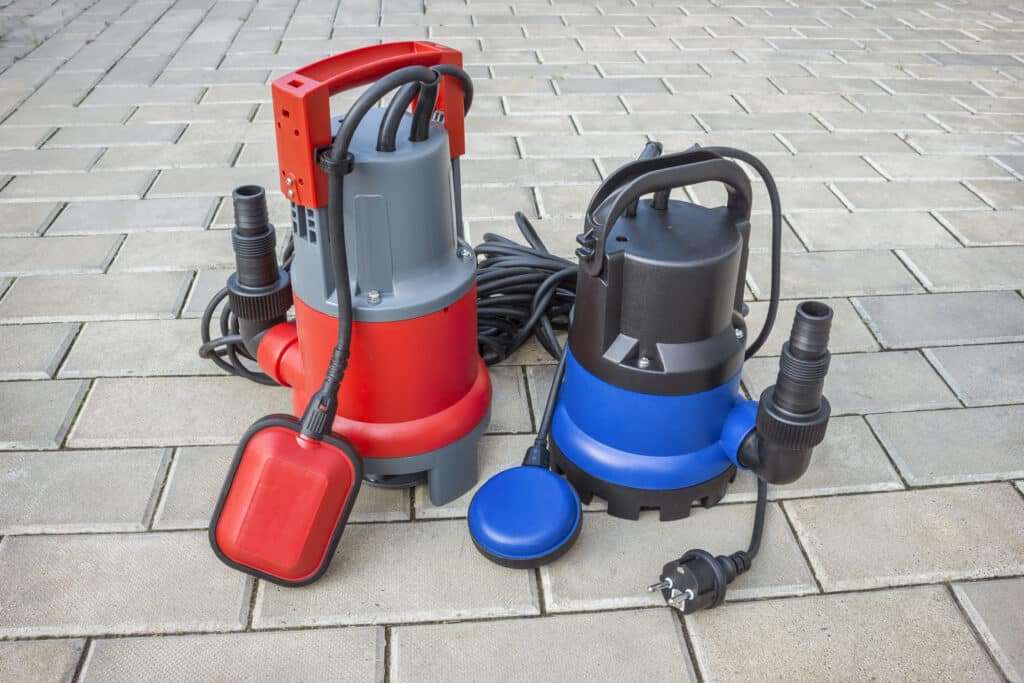
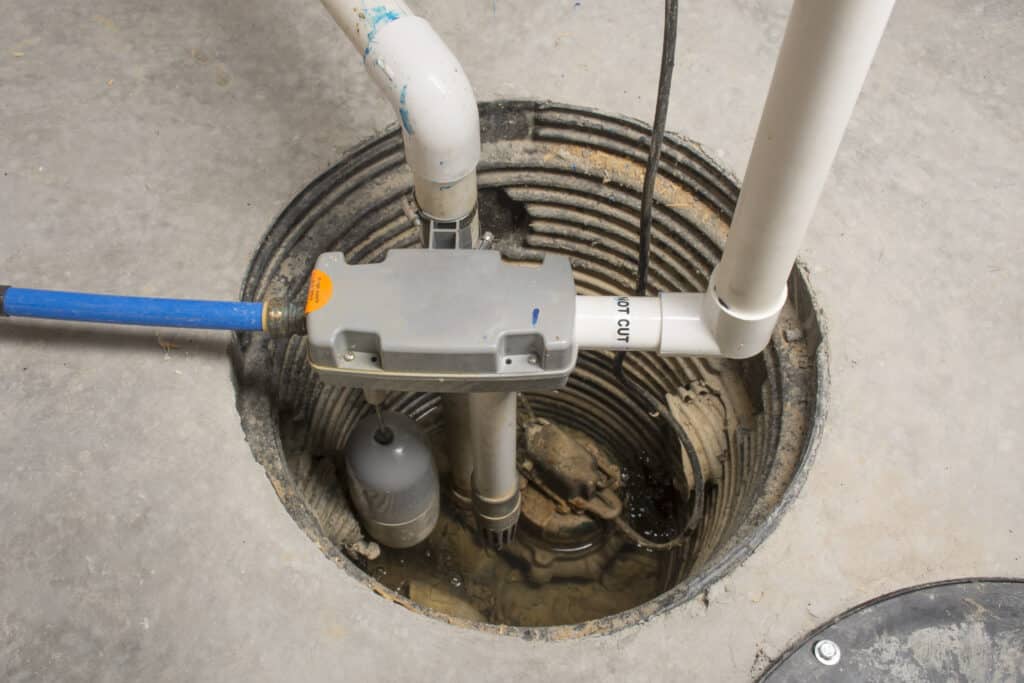
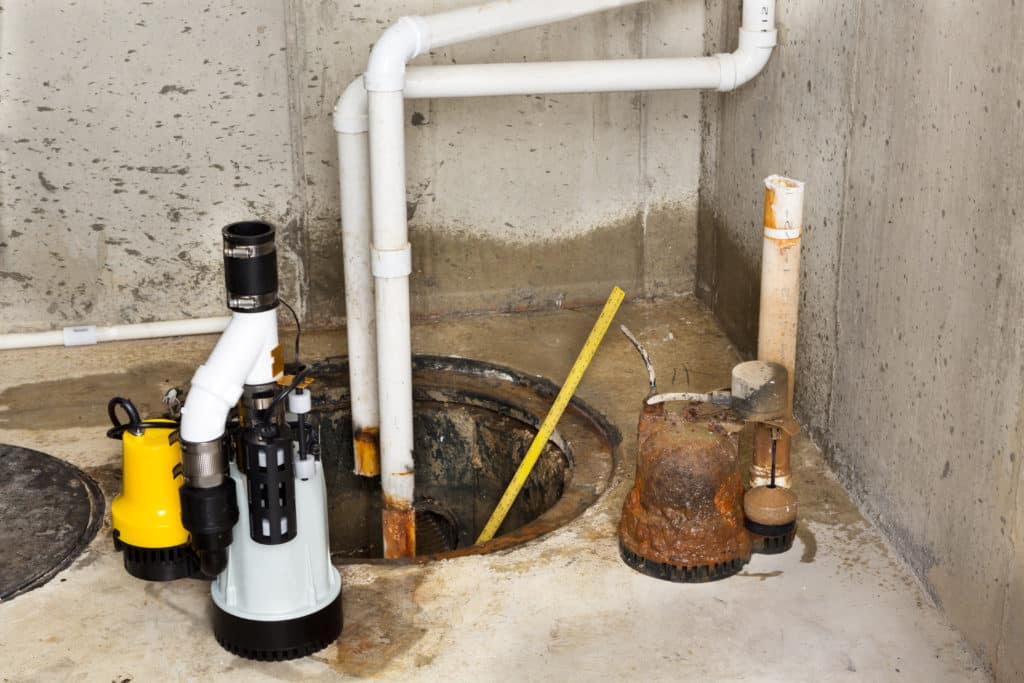
Sump pumps help prevent flooding in crawlspaces and basements. They work hard to remove water from the home and help you save money on damages that flooding can cause. Like any plumbing mechanism, a sump pump can get overworked or have problems. Knowing how to solve these problems will help keep water from destroying your home so you can enjoy your home without stress. 

1- Foul Odor

A sump pump has a trap that holds water to prevent gas and sewage backup from entering your home or other water supply. As the water in this trap evaporates, it can spread a foul order through your home. Foul odors usually occur during hot weather when the water dissipates but leaves behind the gunk. 

Ensure that your sump pump always has water in the trap so it covers the drain lines and pipes. This will help prevent a foul odor from spreading into your home. If this doesn’t solve the problem, you can also add a bleach solution that will help disinfect the drain. Add more water or bleach solution to engage the float switch.

2- Power Failure

A home sump pump runs off of electricity, so when your home loses power it affects the operation of the pump. Sump pumps can also cause your breakers to trip or temporary power outages when they are working continuously. Installing a backup power source like a battery backup or generator will ensure your sump pump runs during an emergency.

During a major storm or natural disaster, you may experience more water entering your basement or crawlspace and if your pump does not have access to a power source, it won’t be able to protect your home. Since floods and loss of power often go hand in hand, having a backup power source will ensure you don’t have another disaster to deal with.

3- Clogged Sump Pump

There are many reasons your sump pump can be clogged including:

Sump pump problems
  • The sump pit fills up with debris
  • Mechanical parts are clogged with dirt
  • The float switch jams up or is coated in debris
  • Switches jam or become stuck

As your sump pump works to move water out of your home, sediment and other contaminants will build up. Homeowners should check their pumps regularly and clean them out during the off-season. If your parts are not working properly, call in a plumber to help you know if it can be repaired or if you need a new sump pump. 

4- Frozen Discharge Lines

A discharge line can freeze during the winter months and prevent water from draining out of the sump pump. Expelling water from your home is the whole goal of a pump, so when the discharge line is frozen, the pump can not complete its job. Homeowners can install a freeze-resistant line before the winter to help avoid this problem. Lines can also be insulated so that freezing is less likely to occur. 

5- Pump Is Running Non-Stop

When a sump pump runs consistently, it doesn’t always indicate that there is water going into your home. Running sump pumps are a problem can can become overworked easily. The most common reason for running sump pumps is the float switch has become tangled. This can disable the pump from ever turning off and use a large amount of electricity. 

If a sump pump is overworking for any reason, it can run constantly throughout the day. It is important to have a plumber check out the pump to ensure that you don’t have backflow and to limit the electrical usage of the pump. 

6- The Pump Is Overwhelmed

During an intense flooding year or when your sump pump has damaged parts, the pump can get overwhelmed. This can cause the consistent running problem discussed above, or cause the pump to stop working altogether. Older versions of sump pumps may be more prone to overwhelm, so upgrading to a new unit can help ensure your home stays dry. 

Utah Plumbing Ogden

Plumbing Services From S&B Plumbing

Our plumbers are the best in Northern Utah. S&B Plumbing offers multiple services for residential and commercial properties including, sink repair, toilet repair, slab leak detection and repair, repiping, gas line installation, new construction plumbing, and more. No matter what service you need, our plumbers come prepared with all the tools and parts they may need. Your service will be completed efficiently with only one visit to the property. Reach out to our team to have better quality plumbing with ease!

Filed Under: Plumber

  • « Previous Page
  • 1
  • …
  • 24
  • 25
  • 26
  • 27
  • 28
  • …
  • 51
  • Next Page »

Address & Hours

Billing Address

691 N. 2075 W. Suite A

Marriott-Slaterville, UT 84404

Utah - (801) 528-4999

sbputah@gmail.com

Plumbing Services:

24/7


Office Hours:

M-TH 8am-5pm

Fri 8am-4pm

Directions

Follow Us

Contact Us

This field is for validation purposes and should be left unchanged.

2026 | S & B Plumbing | All Rights Reserved | Privacy Policy | Terms | XML Sitemap | Sitemap | Site by PDM