Call Anytime 24/7
tankless water heaters, Utah

S & B Plumbing

801-528-4999 Book Now Customer Loyalty Program
  • Plumbing
        • Commercial Drain Cleaning
        • Commercial Plumbing
        • Emergency Plumber
        • Faucet Repair
        • Garbage Disposal
        • Sink Repair
        • Toilet Repair
        • Frozen Water Line
        • Gas Line Install & Repair
        • Hose Bibbs
        • Main Water Line
        • Repiping
        • Stop and Waste Valve
        • Sump Pumps
        • Bathroom Remodeling
        • Kitchen Remodeling
        • New Construction
        • Water Leak Detection & Repair
        • Backflow Testing
  • Drain & Sewer
  • Water Heaters
    • Tankless Water Heater
  • Water Softener
    • Water Filtration System
  • Industries We Serve
    • Residential 
      • Single-Family Homes
      • Apartment Complex Plumbing
      • Condominiums And Townhouses
    • Industrial
      • Manufacturing Plants
      • Warehouses and distribution centers
      • Automotive Facilities
    • Healthcare
      • Hospitals
      • Nursing Homes And Assisted Living Facilities
      • Clinics And Outpatient Centers
      • Dental Offices
      • Medical Offices
    • Municipal and Government
      • Public Buildings
      • Libraries
      • Parks and Recreational Facilities
    • Hospitality and Entertainment
      • Hotels and Resorts
      • Theaters and Performance Venues
      • Stadiums and Arenas
      • Event Venues and Convention Centers
    • Real Estate and Property Management
      • Property Management Companies
      • Real Estate Developers
      • Rental Property Services
    • Utilities & Infrastructure
      • Water Treatment Facilities
  • About Us
    • Service Area
    • Blog
    • Reviews
    • Contact Us
    • Schedule a Plumbing Service
    • Careers
    • Customer Loyalty Program
    • Coupons
  • Recent Projects

Is a Plumbing Inspection Worth It Before Buying a House?

Home | Plumber | Page 6

Is a Plumbing Inspection Worth It Before Buying a House?

Buying a house is one of the biggest investments you’ll ever make. And while a general home inspection is a standard part of the buying process, many buyers overlook one critical system that can lead to major headaches in the future — the plumbing. While not always required, a plumbing inspection can save you thousands of dollars in unexpected repairs and give you peace of mind before signing on the dotted line. 

Why Plumbing Inspections Matter

Many buyers may assume that a standard home inspection covers plumbing. While inspectors may check for visible leaks and whether fixtures are working right, they typically don’t scope sewer lines with a camera, test water heaters in detail, or check for outdated or unsafe pipe materials. 

Plumbing systems run behind walls, under floors, and underground, so you may not be able to spot problems without a professional plumbing inspection. Issues such as hidden leaks, pipe corrosion, or sewer line blockages can remain undetected until they cause significant damage. An inspection helps uncover these risks early, so you know exactly what you’re buying into. 

Common Problems a Plumbing Inspection Can Catch

Leaks Behind Walls or Floors — These can go undetected during a visual inspection, leading to significant water damage, warped flooring, and structural issues over time. 

Leaky Fixtures — Dripping faucets and leaky toilets can waste water and indicate a more significant problem. 

Old and Corroded Pipes — Many older homes have galvanized steel or cast iron pipes that can corrode, restricting water flow and potentially leading to leaks. 

Pipe Blockages — Accumulated debris, grease, or tree roots can clog drains and sewer lines, causing backups and slow drainage. 

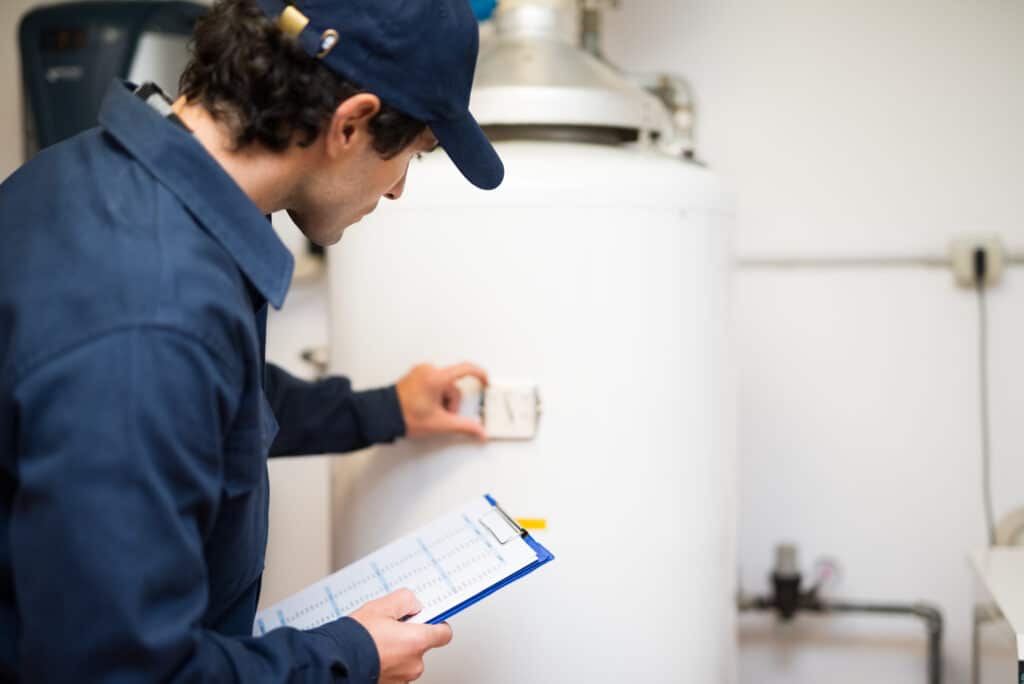
Water Heater Issues — Issues like sediment buildup, internal rust, or an improperly sized unit can reduce efficiency and lead to failure. Water heaters also have a limited lifespan, and an aging unit could cost you in the future. 

Low Water Pressure — Low water pressure could be a sign of hidden leaks, blockages, pipe corrosion, or issues with the water supply. 

Building Code Violations — A professional can identify incorrectly installed systems or fixtures that do not meet current code requirements. 

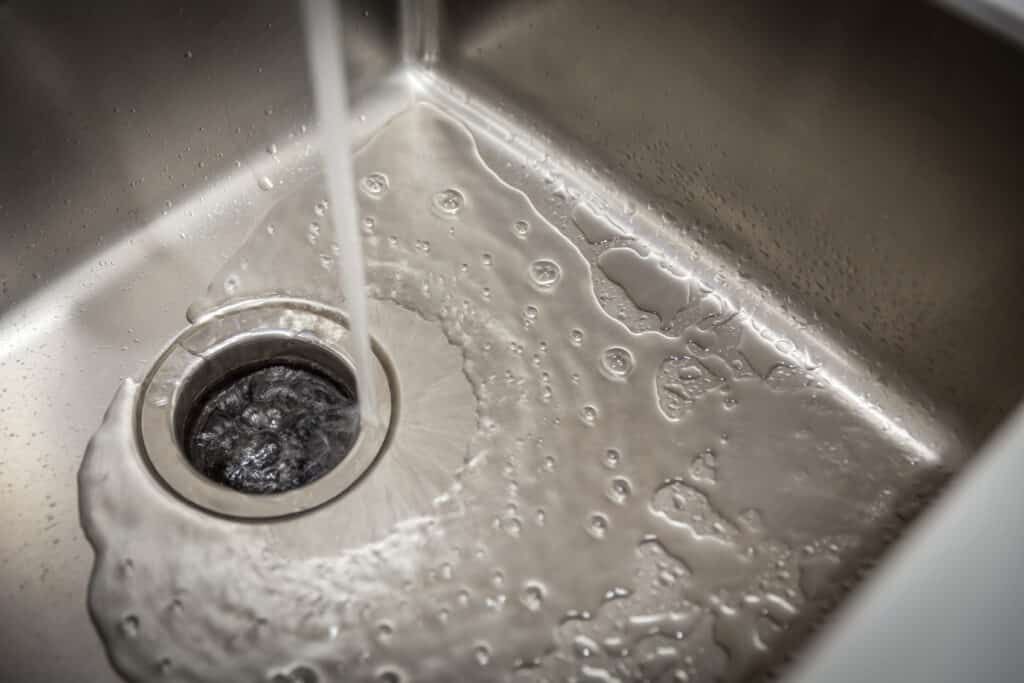
no hot water s&b plumbing

Benefits of Getting a Plumbing Inspection

Saves You Money — Identifying issues before purchase lets you negotiate repairs or adjust your offer, saving you money in the long run. 

Protects Your Investment — Avoid unexpected water damage or emergency plumbing calls after moving in, as well as the regret that can come with overlooking serious problems. 

Provides Peace of Mind — Knowing your plumbing system is in good condition and working properly will give you more confidence in buying your new home, and reduce uncertainty and stress about the home’s functionality. 

Gives You Negotiation Power — If issues are found, you can request repairs before the sale or request a credit toward the repair costs to lower the purchase price. 

Helps You Budget for Repairs — An inspection report helps you understand the plumbing system’s condition, allowing you to budget for future repairs, upgrades, and maintenance. 

When a Plumbing Inspection Is Especially Important

While it’s always a smart move, a plumbing inspection will benefit you the most if:

  • The home is more than 20 years old. 
  • You notice signs of water damage, such as stains, musty odors, cracks in the foundation, or unexplained puddles or sunken sections in the yard. 
  • The property has many large trees in the yard, as they could be near sewer or water lines. 
  • The home has had multiple owners who may have made repairs themselves. 
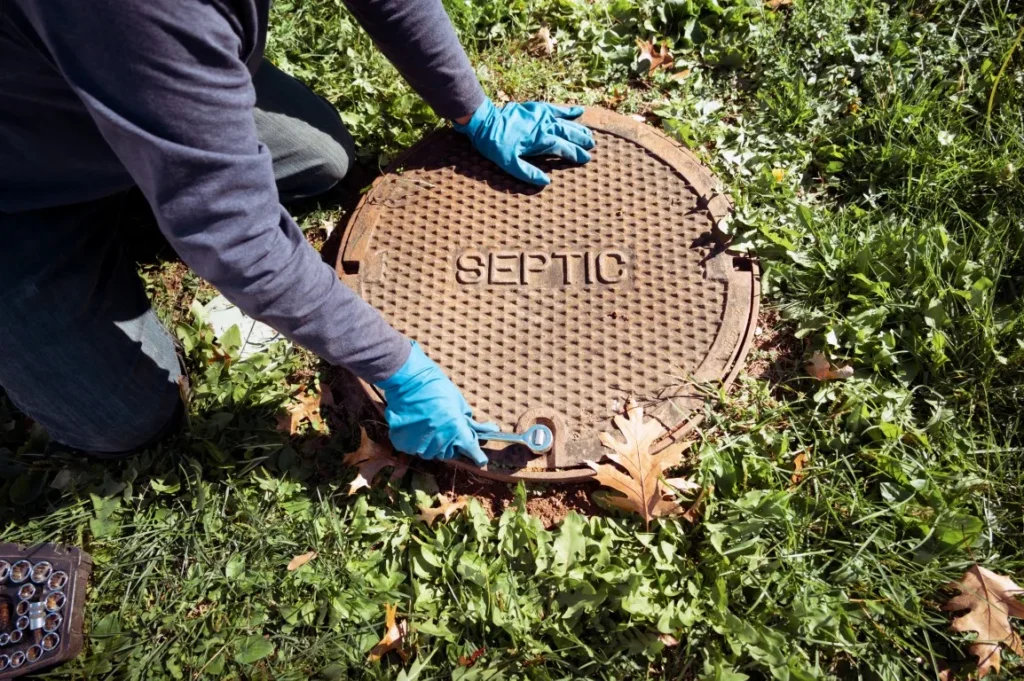
  • The home has a septic system. 

Tips for Keeping Your Plumbing in Good Condition

If you have just bought your first home, here are some good practices to keep your plumbing in good condition:

  • Avoid flushing anything that isn’t toilet paper and waste down the toilet. This is especially important if you have a septic tank. 
  • Avoid pouring grease, fats, oils, egg shells, coffee grounds, and fibrous foods down the drain or into your garbage disposal. 
  • Avoid using store-bought chemical drain cleaners.
  • Have your plumbing inspected annually by a licensed plumber. 
  • Insulate your pipes if you live in a cold climate. 
Is a Plumbing Inspection Worth It Before Buying a House?

Schedule a Plumbing Inspection Before Investing in a New Home

A home might look picture-perfect on the surface, but unseen plumbing issues can quickly turn your dream house into an expensive nightmare. Scheduling a plumbing inspection before buying may cost you more initially, but it will be worth it to avoid costly repairs down the road. If you want peace of mind and protection for your investment, a plumbing inspection is absolutely worth it.

Filed Under: Plumber

How to Keep Tree Roots Out of Your Main Water Line

Tree roots may be strong and essential for keeping trees alive and healthy, but they can wreak havoc on your home’s plumbing system. Roots naturally seek out water sources, and your main water line can become an ideal target. If left unchecked, they can cause clogs, cracks, or even full pipe collapses — leading to expensive repairs. Fortunately, there are several ways to protect your pipes and keep your plumbing running smoothly. 

Why Tree Roots Invade Water Lines

Tree roots seek out moisture, nutrients, and oxygen within the earth. If your water line has small cracks, leaks, or loose joints, it releases just enough vapor to attract roots. Over time, the roots can infiltrate the line through these small openings, expand inside the pipe, and block the flow of water. 

Tree roots aren’t typically strong enough to break intact pipes, so it’s important to look for and repair weak points. 

Signs of Tree Root Intrusion

Slow Drains — Water draining slower than usual in sinks, showers, or bathtubs is often the first sign of root infiltration, especially if it’s more than one fixture at a time. 

Frequent Clogs and Backups — Persistent clogs, especially in multiple sinks, bathtubs, or toilets that don’t clear with plunging or snaking, or sewage backing up in your home, can indicate a severe root intrusion. 

Gurgling Sounds — Unusual gurgling noises from drains or toilets can indicate trapped air due to a blockage from roots. 

Wet Spots or Sinkholes — Puddles of water or sinkholes in your yard could be signs of a severely damaged or collapsed pipe that has released water into your yard. 

Unusually Green Spots — Patches of grass that are greener, lusher, or growing faster than the surrounding lawn can indicate your main water line has a serious leak. 

Decreased Water Pressure — A significant drop in water pressure can sometimes be a sign of a damaged or blocked water line. 

High Water Bills — If there is an unexplained increase in your water bill, you may have water leaking from your water line that’s costing you extra. 

If you notice several of these signs, roots may already be affecting your main line. 

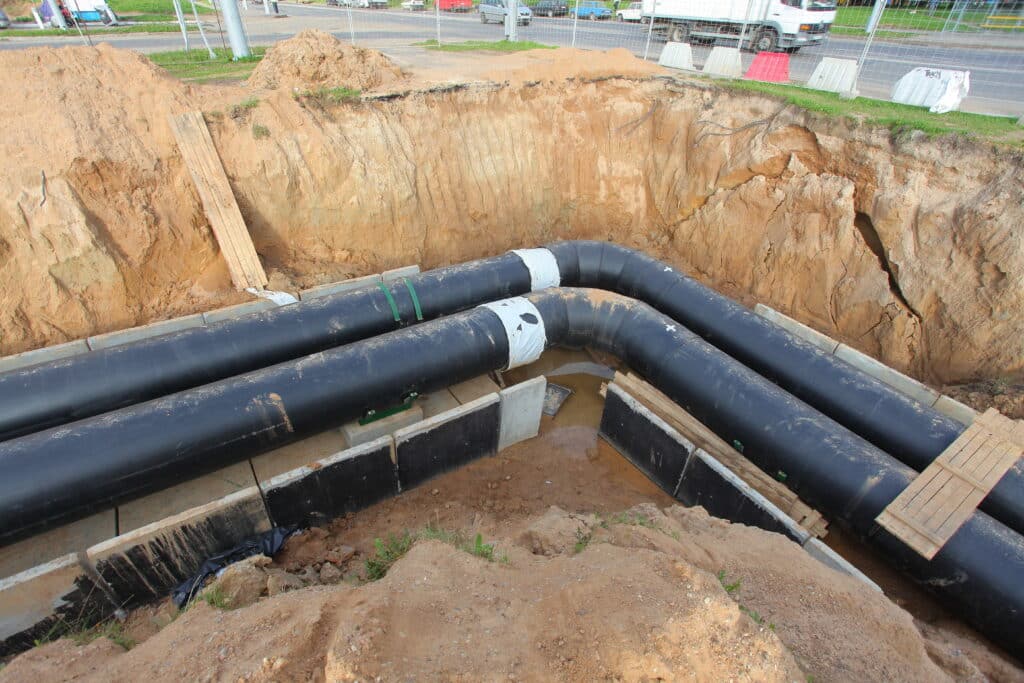
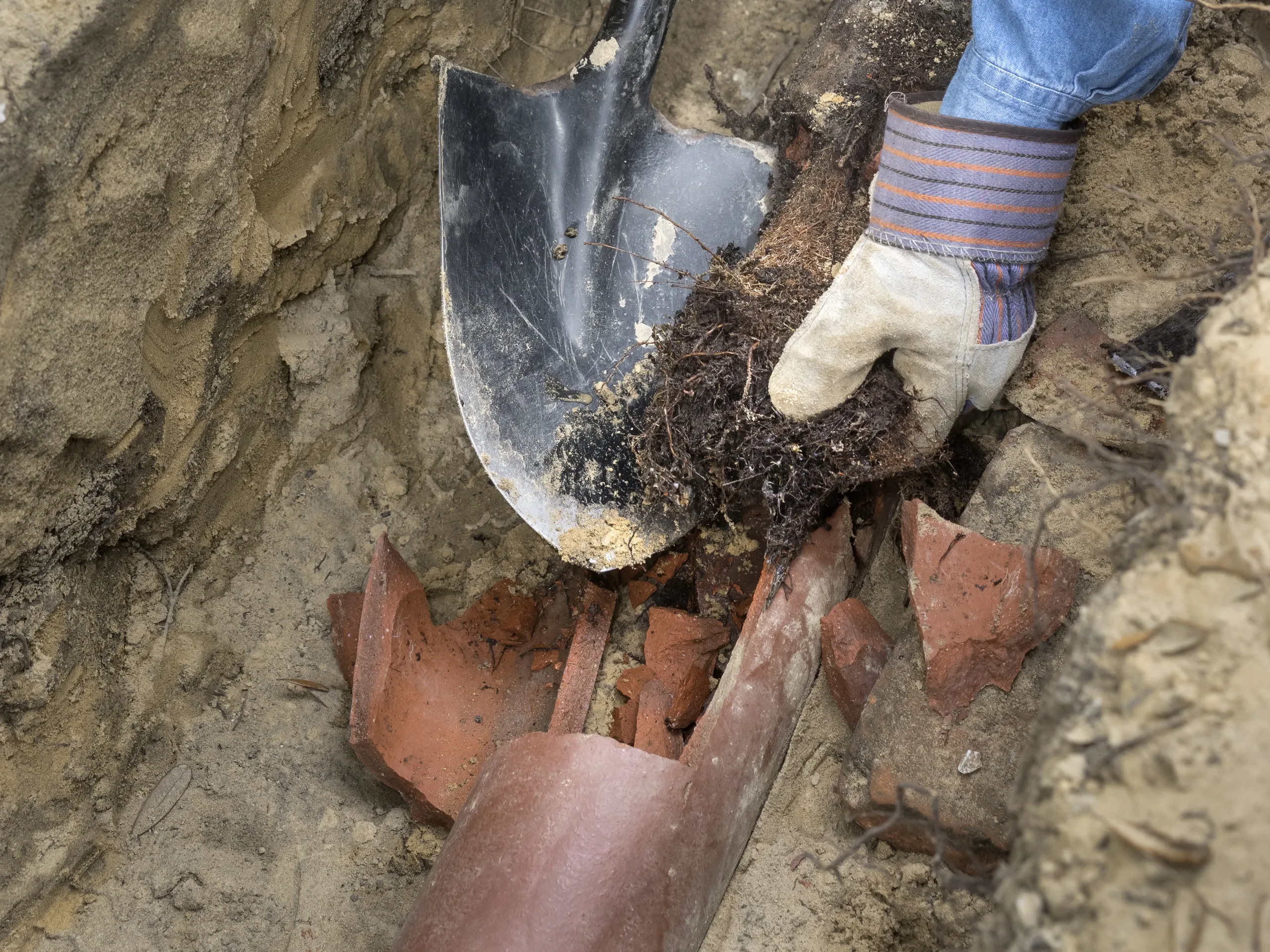
main water line ogden utah

Preventing Tree Root Problems

1. Plant Trees Strategically 

When landscaping, keep large trees with aggressive root systems, such as willows, maples, and oaks, far away from your main line. As a general rule, plant trees at least 10 to 15 feet away from water and sewer lines. To ensure you don’t plant near these lines, you should determine their exact location by contacting your city or a professional. 

You may want to opt for slower-growing trees and shrubs with shallow root systems, such as Japanese maples, eastern redbuds, or certain types of azaleas, to avoid issues in the future.  

2. Install a Root Barrier

Physical barriers, like metal, fabric, or thick plastic panels, can be buried vertically between trees and water lines to block root growth and redirect them away from the pipes. 

3. Use Pipe Lining or Replacement

Modern treachless technologies like pipe lining create a seamless inner coating inside your existing pipes. This prevents roots from finding tiny cracks or other entry points. If your home is older and has clay or cast iron pipes, you may want to replace them with PVC, which is less vulnerable to tree roots. 

4. Apply Root-Repellent Solutions

Plumbers can apply safe chemical root inhibitors, such as copper sulfate, that discourage growth near water lines. These treatments typically last a few years and can be reapplied as needed. Note that using an incorrect amount could harm your trees and inhibit growth. 

5. Schedule Routine Drain Inspections

Annual or biannual video camera inspections can help spot early signs of root intrusion. Catching the problem before it escalates is key to avoiding costly repairs. 

What to Do If Roots Are Already in Your Water Line

If you suspect roots have already invaded your line, don’t rely on chemical drain cleaners, as they won’t fix the problem. Call a licensed plumber who can:

  • Use hydro-jetting to blast away tree roots. 
  • Repair cracks and leaks with trenchless technology. 
  • Replace sections of pipe if there’s severe damage. 
main sewer line Ogden Utah sewer backup

Tree Roots: The Hidden Enemy of Your Water Line

Tree roots and water lines don’t mix. Fortunately, with the right preventive strategies, you can keep your plumbing system safe. Smart landscaping, modern pipe protection, and routine inspections can help you avoid major headaches down the road. And if you ever suspect root intrusion, contact a professional plumber as soon as possible to save time, money, and stress. 

Filed Under: Plumber

What Is an Expansion Tank and Why Is It Important?

When it comes to home plumbing, you’re likely familiar with common components, such as pipes, faucets, and water heaters. But you may not know about one crucial part of your plumbing system: the expansion tank. This small, simple device plays a vital role in maintaining the safety and longevity of your water heater and the overall plumbing system. 

What Is an Expansion Tank? 

An expansion tank is a small tank installed near your water heater, usually connected to the cold water supply line. It’s divided into two sections by a rubber bladder: one side holds water and the other side contains compressed air; this helps keep the air from dissolving into the water, which can cause corrosion. This tank absorbs excess water pressure caused by thermal expansion, protecting your pipes, fixtures, and the water heater itself. 

Why Does Pressure Build Up? 

When water heats up, it expands in a process known as thermal expansion. In a closed plumbing system (where there’s a check valve or backflow preventer keeping water from flowing back into the municipal supply), the expanding water has nowhere to go. This causes a buildup of pressure within your pipes and water heater. A 50-gallon water heater can generate over a gallon of extra water volume when heating from cold to hot.

Too much pressure can cause:

  • Pipes to crack, buckle, or even burst.
  • Seals and joints to break down and leak.
  • Appliances, such as a dishwasher and washing machine, to break down prematurely.
  • The relief valve to malfunction. 
  • The water heater to weaken, eventually leading to leaks or even a catastrophic rupture. 
  • Extremely hot water to flow through faucets and fixtures, posing a risk of scalding. 

In rare cases, a weakened water heater under high pressure can explode. 

What Is an Expansion Tank and Why Is It Important?

How Does an Expansion Tank Help?

An expansion tank gives the expanding water a place to go. As the water heats and expands, it pushes against the bladder, compressing the air inside the other chamber. This keeps your system’s pressure within safe limits and reduces stress on your plumbing. 

Do You Need an Expansion Tank? 

In many areas, building codes require an expansion tank if you have a closed plumbing system. But even if it’s not required by code, it’s highly recommended, especially if you:

  • Have a backflow prevention device or pressure-reducing valve.
  • Notice frequent leaks or drips from your temperature and pressure relief valve. 
  • Want to extend the life of your water heater and plumbing fixtures. 
  • Your water heater warranty will be voided without one.
  • You hear banging or knocking in the pipes after heating cycles. This is called water hammer, and it happens when a pressure surge has nowhere to go. 

Signs You May Need a New One

Expansion tanks don’t last forever. Over time, the internal bladder can rupture or the tank can lose its air charge. Here are signs it might need replacing: 

  • Water is leaking from the tank or connections. 
  • The tank feels full of water on both ends (to test this, tap the top half of the tank where the air chamber is: it should sound hollow if working correctly).
  • You experience water pressure issues or frequent valve leaks.
  • The tank is over 10 to 15 years old, even if you don’t notice any immediate signs of failure.
  • You notice black debris or rubber flakes when you run your faucets. 

An expansion tank should be installed by a professional to ensure it works properly and maintains the correct pressure.

Even though expansion tanks are low-maintenance, they should be checked periodically. You should:

  • Test the pressure annually to ensure it matches your home’s water pressure, typically 40 to 60 psi. 
  • Look for signs of corrosion or water leakage.
  • Replace the bladder if it fails or pressure readings are off. 
  • Listen for rattling or noise during operation, which may indicate that the tank is leaking and needs repair or tightening. 

Don’t Let Pressure Build Up in Your Water Heater 

new construction Plumbing Ogden Utah

An expansion tank may be small and inconspicuous, but it plays a big role in keeping your water heater and plumbing system safe. By absorbing excess pressure from the heated water, it helps protect your water heater, pipes, and fixtures from costly damage. By recognizing the signs of a failing expansion tank, such as leaks, a waterlogged tank, or fluctuating pressure, you can save yourself from dealing with bigger plumbing issues down the road. 

If you suspect your expansion tank isn’t working properly, don’t wait. Have a licensed plumber inspect and replace it if necessary so your home stays protected and your water system runs smoothly.

Filed Under: Plumber

  • « Previous Page
  • 1
  • …
  • 4
  • 5
  • 6
  • 7
  • 8
  • …
  • 50
  • Next Page »

Address & Hours

Billing Address

691 N. 2075 W. Suite A

Marriott-Slaterville, UT 84404

Utah - (801) 528-4999

[email protected]

Plumbing Services:

24/7


Office Hours:

M-TH 8am-5pm

Fri 8am-4pm

Directions

Follow Us

Contact Us

This field is for validation purposes and should be left unchanged.

2026 | S & B Plumbing | All Rights Reserved | Privacy Policy | Terms | XML Sitemap | Sitemap | Site by PDM