Call Anytime 24/7
tankless water heaters, Utah

S & B Plumbing

801-528-4999 Book Now Customer Loyalty Program
  • Plumbing
        • Commercial Drain Cleaning
        • Commercial Plumbing
        • Emergency Plumber
        • Faucet Repair
        • Garbage Disposal
        • Sink Repair
        • Toilet Repair
        • Frozen Water Line
        • Gas Line Install & Repair
        • Hose Bibbs
        • Main Water Line
        • Repiping
        • Stop and Waste Valve
        • Sump Pumps
        • Bathroom Remodeling
        • Kitchen Remodeling
        • New Construction
        • Water Leak Detection & Repair
        • Backflow Testing
  • Drain & Sewer
  • Water Heaters
    • Tankless Water Heater
  • Water Softener
    • Water Filtration System
  • Industries We Serve
    • Residential 
      • Single-Family Homes
      • Apartment Complex Plumbing
      • Condominiums And Townhouses
    • Industrial
      • Manufacturing Plants
      • Warehouses and distribution centers
      • Automotive Facilities
    • Healthcare
      • Hospitals
      • Nursing Homes And Assisted Living Facilities
      • Clinics And Outpatient Centers
      • Dental Offices
      • Medical Offices
    • Municipal and Government
      • Public Buildings
      • Libraries
      • Parks and Recreational Facilities
    • Hospitality and Entertainment
      • Hotels and Resorts
      • Theaters and Performance Venues
      • Stadiums and Arenas
      • Event Venues and Convention Centers
    • Real Estate and Property Management
      • Property Management Companies
      • Real Estate Developers
      • Rental Property Services
    • Utilities & Infrastructure
      • Water Treatment Facilities
  • About Us
    • Service Area
    • Blog
    • Reviews
    • Contact Us
    • Schedule a Plumbing Service
    • Careers
    • Customer Loyalty Program
    • Coupons
  • Recent Projects

Safety Relief Valves: The Protectors of Your Plumbing System

Home | Plumber | Page 7

Safety Relief Valves: The Protectors of Your Plumbing System

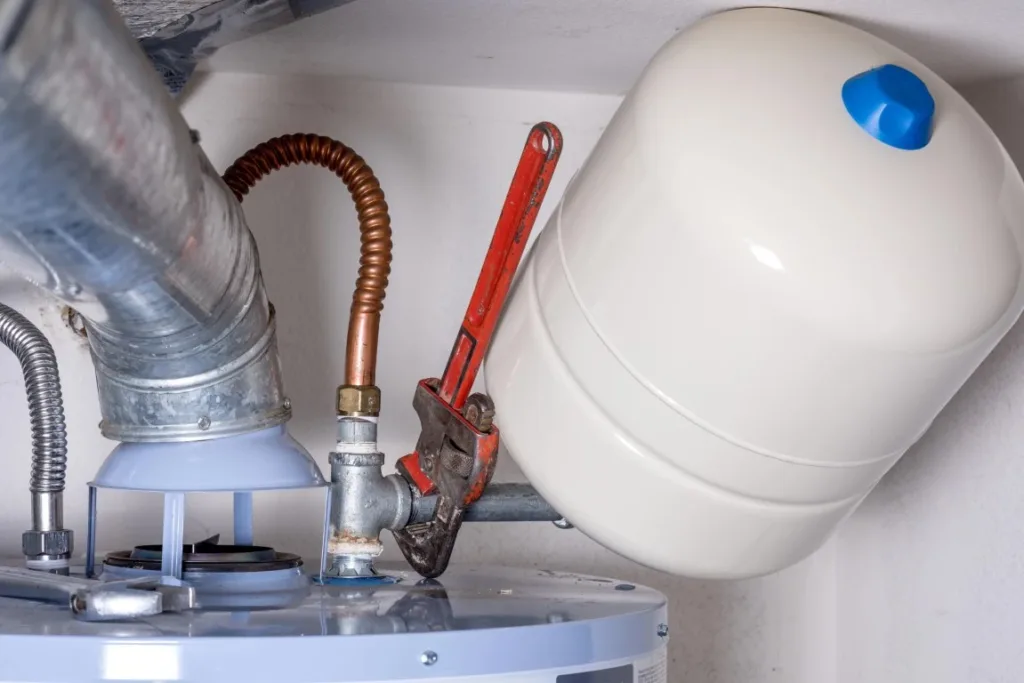
When it comes to plumbing safety, one small device can make a huge difference: the safety relief valve. This component may not look like much, but it plays a critical role in protecting your home, your plumbing system, and your family from the consequences of pressure buildup. 

What is the Safety Relief Valve?

A safety relief valve protects your home by releasing excess pressure from your water heater or plumbing system when it exceeds a predetermined level, usually triggered by temperature or pressure. Without it, pressure could build to dangerous levels, potentially causing pipe bursts, water heater explosions, severe water damage, or flooding. 

Why Is It So Important?

Prevents Pressure Build-Up — As water heats, it expands and creates extra pressure inside your tank. The safety relief valve automatically opens when that pressure reaches unsafe levels, keeping your system stable.

Protects Your Home From Damage — Without a functioning valve, excess pressure can cause leaks, burst pipes, or even catastrophic water heater explosions, leading to devastating damage and costly repairs. 

Enhances System Longevity — By maintaining safe operating conditions, the valve helps extend the life of your water heater and plumbing system. 

Keeps Your Family Safe — High-pressure accidents are not only expensive but also very dangerous. The valve minimizes the risk of scalding water or structural damage from a sudden failure, keeping your family safe from injury. 

Protects Against Overheating — In addition to excessive pressure, the valve also keeps your water from overheating and potentially causing damage to the heater’s components. 

Keeps You in Compliance — Many building codes and safety standards require the installation of a relief valve on water heaters to ensure the system is safe. 

Safety Relief Valves: The Protectors of Your Plumbing System

Signs Your Safety Relief Valve Needs Attention

Your safety relief valve may need to be repaired or replaced if there’s: 

Frequent Leaking or Dripping — This could be a sign of internal wear or a failing seal. 

Visible Corrosion or Buildup — This could indicate that there’s a leak that could hinder proper operation. 

Leakage After Valve has Discharged — Leakage could indicate that debris has become lodged in the valve seat, preventing proper closure. 

Unusual Noises — Hissing, banging, whistling, or gurgling coming from the valve may indicate that it’s struggling to maintain proper pressure or that the valve disc is vibrating excessively. 

Cracks, Fractures, Dents, or Deformities — Imperfections on the valve body can weaken the valve and compromise its integrity. 

Aging Components — Valves, like any other mechanical device, have a lifespan, and components can wear out over time. 

Valve Opening Too Frequently — This could mean the valve has internal wear, damage, or improper calibration. 

Reasons a Safety Relief Valve Can Malfunction:

Pressure Spikes — Sudden surges in water pressure from the municipal supply or other system issues can overwhelm the valve and cause it to malfunction. 

High Temperature — If the water temperature exceeds the valve’s design limit, it can cause the valve to open or leak, especially in water heaters. 

Sediment Buildup — Mineral deposits, rust, or other debris can accumulate inside the valve, preventing it from sealing properly or obstructing its moving parts. Minerals can also cause parts to corrode, leading to leaks or failure 

Blocked Pipes — Obstructions in the inlet or outlet pipes can disrupt the valve’s functionality, causing it to malfunction. 

Damaged Components or Improper Installation — Wear and tear or incorrect sizing, orientation, or connection to the system can lead to leaks or premature failure. 

How to Maintain It

To keep your safety relief valve functioning correctly, you should perform regular maintenance and inspect it annually. 

External Inspection — Visually inspect the valve for signs of corrosion, mineral buildup, damage, or leaks. Occasional drips are normal, but steady leaks may signal a problem.

Internal Inspection — Inspect internal components like seats, springs, and discs for wear and replace any damaged parts. 

Test Annually — Perform a “pop test” to verify the valve opens at the correct pressure. If it doesn’t work correctly, it may need to be inspected by a professional. 

Clean Regularly — Keep the valve and surrounding area clean to prevent blockages. 

Record Maintenance — Document all cleanings, inspections, maintenance, and repairs to track any recurring problems or trends. 

Safety Relief Valves: The Protectors of Your Plumbing System

The Bottom Line

Your safety relief valve isn’t just another plumbing component; it’s a critical safeguard for your home. By releasing excess pressure, it prevents costly damage, extends the life of your water heater, and most importantly, keeps you and your family safe. By regularly testing your valve and investing in professional inspections, you ensure it’s ready to do its job when it matters most. 

Filed Under: Plumber

The Dangers of Gas Line Leaks

Gas lines power essential appliances in many homes — from stoves and water heaters to furnaces and fireplaces. But if a gas line breaks or something goes wrong, gas can leak out and quickly become a serious safety hazard. Understanding the dangers of gas line leaks and how to prevent them is crucial for every homeowner. 

Why Gas Leaks Are Dangerous 

Gas leaks, especially involving natural gas or propane, can pose several serious risks:

Fire and Explosion Hazards — Natural gas is highly flammable. A leak in an enclosed space can ignite with just a spark, like turning on a light, causing a devastating explosion. 

Carbon Monoxide Poisoning — Some gas line leaks produce carbon monoxide, a deadly, odorless gas. If inhaled in high concentrations, it can cause nausea, dizziness, headaches, loss of consciousness, and even death. 

Methane Exposure — Methane isn’t as toxic as carbon monoxide, but it can still cause asphyxiation in high concentrations, and people may struggle to breathe. 

Environmental Damage — Natural gas is a greenhouse gas. A leak doesn’t just waste resources — it contributes to air pollution and climate change. 

Health Symptoms — Even without carbon monoxide buildup, exposure to leaking gas may cause:

  • Breathing difficulties
  • Fatigue
  • Eye or throat irritation
  • Nausea
  • Headaches and lightheadedness 
  • Flu-like symptoms 
  • Chest pain
  • Nosebleeds
  • Ringing in your ears

In severe cases, you can experience respiratory problems, depression, memory loss, or coordination problems. 

Common Causes of Gas Line Leaks

Several factors can lead to gas line leaks, including: 

Physical Damage 

Digging and Construction — Accidental strikes during excavation for construction or landscaping can damage gas lines and cause leaks.

Natural Disasters — Earthquakes, floods, and other natural disasters can shift the ground and put stress on gas lines, leading to leaks. 

Shifting Ground — Even subtle ground settling or soil erosion can cause stress on underground gas lines, potentially leading to leaks over time. 

Faulty Piping and Connections 

The Dangers of Gas Line Leaks

Corrosion and Wear — Over time, gas pipes can corrode or deteriorate due to moisture and soil conditions, especially in older homes. This can lead to leaks. 

Weakened Seals — Joint seals around pipes can weaken or disconnect, allowing gas to escape. 

Poor Installation — Incorrectly installed fittings or connections can create gaps where gas can leak. 

Appliance Issues — Gas appliances, like water heaters or stoves, can develop leaks due to wear and tear, improper installation, or manufacturing defects. 

Fitting and Connection Issues — Fittings and connections between gas lines and appliances are vulnerable to leaks if not properly installed or maintained. 

How to Spot a Gas Line Leak

You may not always smell a gas leak, but here are some common warning signs:

  • Hissing sounds near gas lines or appliances.
  • Dead or discolored vegetation around outdoor lines.
  • Unusually high gas bills.
  • Dizziness or health symptoms when inside your home.
  • A strong “rotten egg” odor (added to gas for detection) 
  • Air bubbles in standing water outside your home. 

If you suspect a gas leak:

  • Evacuate immediately. 
  • Do NOT use electrical devices, phones, or light switches. 
  • Leave doors open.
  • Call 911 and your gas company from a safe distance. 

Do not try to fix a gas line leak yourself or enter your home until it is declared safe by professionals. You can shut off the natural gas valve if it’s located outside your house and you know how to do it safely. 

How to Prevent Gas Line Leaks

Preventing gas leaks starts with awareness and proper maintenance: 

Schedule Regular Inspections — Hire a licensed professional to inspect your gas lines, connections, and appliances, especially if you live in an older home.

Avoid DIY Repairs — Always hire a licensed plumber or gas technician to handle gas line installation, repair, or replacement in order to avoid any fatal mistakes. 

Install Carbon Monoxide Detectors — Place detectors near gas-powered appliances and sleeping areas. Test them regularly and replace the batteries as needed. 

Know Where Your Gas Lines Are — Before doing any digging or remodeling, call 811 to locate underground utilities and avoid accidental damage. 

Replace Aging Appliances — Using old, gas-powered appliances can put you and your home at risk. Upgrade to newer models, with updated safety features yours are over 15 years old.

The Dangers of Gas Line Leaks

Gas Leaks Can Be Very Dangerous 

Gas line leaks should be taken very seriously. They can threaten your home, health, and life. Fortunately, with regular maintenance and a few smart precautions, you can greatly reduce the risk of leaks. Remember, always rely on trained professionals for inspections and repairs, and never ignore the signs of a potential gas leak. 

Have questions or need a gas line inspection? Contact S & B Plumbing today — your safety is our top priority.

Filed Under: Plumber

when you plumbing needs hydro jetting

When it comes to deep clogs, stubborn blockages, and years of accumulated debris, traditional methods like plunging and snaking may not be enough. This is where hydro jetting comes in — a powerful and effective plumbing solution designed to clear out even the most persistent blockages. But what exactly is this cleaning technology, and when should you invest in it?

What Is Hydro Jetting?

Hydro jetting is a professional plumbing technique that uses high-pressure water (up to 4,0000 PSI or more) to thoroughly clean the inside of pipes. A specialized nozzle is inserted into your plumbing lines, blasting water in multiple directions to remove:

Grease, Fat, and Oil Buildup — These substances can accumulate over time, creating a sticky residue that traps other debris and leads to slow drains or blockages. 

Hair Clogs — Hair is a common culprit in bathroom drains, creating clogs and trapping soap scum.                                       

Soap Scum and Mineral Deposits — Like grease and fat, soap scum and mineral deposits can build up in your plumbing, causing clogs and slow draining. 

Tree Roots — As tree roots grow, they can infiltrate sewer lines, causing cracks and blockages. 

Unlike snaking, which simply pokes a hole through a clog, hydro jetting completely scours the pipe walls, restoring flow, removing years of built-up debris and sludge, and reducing the likelihood of future clogs.

When Is Hydro Jetting Needed?

Hydro jetting isn’t usually the first thing used by plumbers. It’s usually recommended when other methods fail or when a serious build-up or sewer line issue is suspected. Here are the most common situations where you may need high-pressure water:

Recurring Drain Clogs

If you continually deal with constant backups, you likely have grease, soap, or residue clinging to your pipe walls. Hydro jetting eliminates buildup, instead of pushing it further down the line or only creating a small dent in the blockage. 

hydro jetting clog elimination

Slow Draining Pipes

If you constantly experience slow-draining water in sinks, showers, or toilets, you may benefit from hydro jetting. It can clear out partial blockages and buildup you might not see in your drains, restoring proper flow. 

Sewer Line Blockages

High-pressure water is especially effective for cleaning out your main sewer line, which often suffers from tree root invasion, grease buildup, and accumulated waste. 

Preventive Maintenance 

Commercial properties, restaurants (especially those with high grease usage), and multi-unit residences often use hydro-jetting proactively to avoid costly backups and plumbing emergencies. 

After a Video Inspection

Plumbers often perform a camera inspection before sending high-pressure water down your pipes to identify the type and location of the blockage. This ensures the right approach and confirms that the pipes are in good enough condition to handle high-pressure water.

Is Hydro Jetting Safe for All Pipes?

Hydro jetting is very effective, but it’s not suitable for every plumbing system. Older, fragile, worn-out, or damaged pipes may not withstand the high pressure. This is why a camera inspection is critical. It allows the plumber to assess the condition of your pipes and recommend the best solution, which is especially important if you own an older home, where the pipes have experienced a significant amount of wear and tear. 

The Benefits of Hydro Jetting

Thorough Cleaning — High-pressure water cleans the entire pipe, unlike snaking, which may only clear a path through the blockage. 

Future Clog Prevention — By removing all debris and buildup in the pipes, hydro jetting helps prevent future clogs and backups.

Improved Drainage — Clean pipes allow for faster and more efficient drainage, eliminating the annoying and unsightly standing water in your sinks, bathtubs, or showers. 

Odor Elimination — Hydro jetting removes bacteria and buildup, reducing foul odors. 

Environmental Safety  — Hydro jetting only uses water, making it a safe and eco-friendly alternative to chemical drain cleaners, which can harm your plumbing system, local water sources, and the environment.

Non-Invasive Technology — Hydro jetting doesn’t require digging or pipe replacement, making minimal impact to your yard and property. 

Versatility — Hydro jetting can be used on a variety of pipe materials and sizes and is effective at removing a wide range of obstructions from grease and hair to tree roots. 

hydro jetting toilet repair

Hydro Jetting — The Most Effective Plumbing Tool 

Hydro jetting is one of the most useful and effective tools in a plumber’s arsenal, especially when dealing with severe or recurring clogs. Whether you’re experiencing a slow-draining sink or a backed-up sewer line, this method offers a safe, powerful, and eco-friendly solution. 

If you think your home or business could benefit from this service, contact S&B Plumbing for a professional inspection and personalized recommendation. 

Filed Under: Plumber

  • « Previous Page
  • 1
  • …
  • 5
  • 6
  • 7
  • 8
  • 9
  • …
  • 50
  • Next Page »

Address & Hours

Billing Address

691 N. 2075 W. Suite A

Marriott-Slaterville, UT 84404

Utah - (801) 528-4999

[email protected]

Plumbing Services:

24/7


Office Hours:

M-TH 8am-5pm

Fri 8am-4pm

Directions

Follow Us

Contact Us

This field is for validation purposes and should be left unchanged.

2026 | S & B Plumbing | All Rights Reserved | Privacy Policy | Terms | XML Sitemap | Sitemap | Site by PDM