Call Anytime 24/7
tankless water heaters, Utah

S & B Plumbing

801-528-4999 Book Now Customer Loyalty Program
  • Plumbing
        • Commercial Drain Cleaning
        • Commercial Plumbing
        • Emergency Plumber
        • Faucet Repair
        • Garbage Disposal
        • Sink Repair
        • Toilet Repair
        • Frozen Water Line
        • Gas Line Install & Repair
        • Hose Bibbs
        • Main Water Line
        • Repiping
        • Stop and Waste Valve
        • Sump Pumps
        • Bathroom Remodeling
        • Kitchen Remodeling
        • New Construction
        • Water Leak Detection & Repair
  • Drain & Sewer
  • Water Heaters
    • Tankless Water Heater
  • Water Softener
    • Water Filtration System
  • Industries We Serve
    • Residential 
      • Single-Family Homes
      • Apartment Complex Plumbing
      • Condominiums And Townhouses
    • Industrial
      • Manufacturing Plants
      • Warehouses and distribution centers
      • Automotive Facilities
    • Healthcare
      • Hospitals
      • Nursing Homes And Assisted Living Facilities
      • Clinics And Outpatient Centers
      • Dental Offices
      • Medical Offices
    • Municipal and Government
      • Public Buildings
      • Libraries
      • Parks and Recreational Facilities
    • Hospitality and Entertainment
      • Hotels and Resorts
      • Theaters and Performance Venues
      • Stadiums and Arenas
      • Event Venues and Convention Centers
    • Real Estate and Property Management
      • Property Management Companies
      • Real Estate Developers
      • Rental Property Services
    • Utilities & Infrastructure
      • Water Treatment Facilities
  • About Us
    • Service Area
    • Blog
    • Reviews
    • Contact Us
    • Schedule a Plumbing Service
    • Careers
    • Customer Loyalty Program
    • Coupons
  • Recent Projects

Water Softener vs. Filtration System: What’s the Difference?

Home | Plumber | Page 7

Water Softener vs. Filtration System: What's the Difference?

When it comes to improving your home’s water quality, you can commonly choose from a water softener or a filtration system. But how do you decide which one is right for your home? While both improve water quality, they serve very different purposes. Here’s a guide to the differences so you can make an informed decision regarding your home’s water.

What Does a Water Softener Do?

A water softener removes hard minerals, primarily calcium and magnesium, from your water supply through a process called ion exchange. Resin beads attract and trap these minerals, replacing them with sodium or potassium ions, effectively creating softened water. Hard water is a common issue in many areas and can lead to:

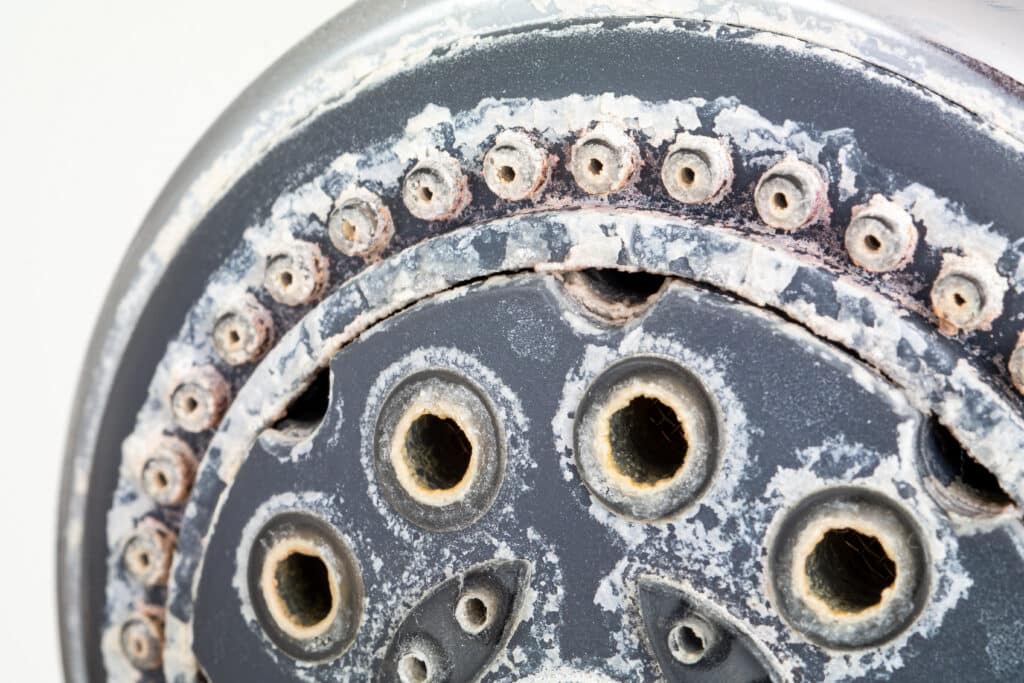
  • Scale buildup on plumbing fixtures and appliances
  • Reduced efficiency and lifespan of water-using appliances
  • Dry skin, dull hair, and possible skin irritation
  • Spotting on dishes and glassware
  • Plumbing issues, such as reduced water flow, low water pressure, and clogged pipes

While an ion-exchange water softener is the most common system used, you can also choose a:

Salt-Free Water Softener — This system, also known as a water conditioner or descaler, does not remove hard water minerals. Instead, it changes their structure so they don’t stick to surfaces and case scale buildup, using Template-Assisted Crystallization (TAC). 

Magnetic Water Softener — This system uses magnets to treat hard water. It alters the behavior of hard minerals as water flows through a magnetic field, preventing scale buildup. However, this process may not be as effective as salt-free and ion-exchange systems. 

What Does a Water Filtration System Do?

A water filtration system removes contaminants and impurities from your water to improve quality and safety. The type of contaminants targeted depends on the specific system you choose, but common filtration systems address: 

  • Chlorine and chemical by-products
  • Sediment and debris
  • Heavy metals like lead or iron
  • Microorganisms such as bacteria or cysts 
  • Bad taste and odors

Filtration systems work in many different ways:

water filtration system Ogden Utah

Mechanical Filtration — This involves physical barriers like mesh or membranes to remove particles, sediment, and other debris. 

Activated Carbon Filtration — This system absorbs contaminants through a process called adsorption. This process effectively removes chlorine, taste, and odor, as well as some chemicals. 

Ion Exchange Filtration — This works like a water softener, removing hard water minerals and other impurities using a resin that exchanges ions for other ions. 

Reverse Osmosis — This advanced process uses a semi-permeable membrane to filter out a wide range of contaminants, including dissolved solids, heavy metals, and certain chemicals. 

Ultraviolet (UV) Disinfection — This method uses UV light to kill bacteria and viruses, providing a final layer of protection. 

You can choose from two different filtration systems: whole house water filtration or point-of-use filters, such as under a kitchen sink or on a faucet 

Which One Do You Need?

The right choice depends on the specific issues you’re facing with your water supply. 

You May Need a Water Softener If: 

  • You notice white scale buildup on faucets, showerheads, or appliances
  • Your skin feels dry and itchy after showering
  • Your laundry feels stiff or looks dull
  • Soap and shampoo don’t lather well
  • You’ve had to repair or replace water-using appliances more often than expected

You May Need a Water Filtration System If:

  • Your water smells or tastes unpleasant
  • You have concerns about chlorine, chemicals, or sediment 
  • You live in an area with known water contamination issues
  • You want safer, better-tasting drinking water
  • You’ve had your water tested and specific contaminants were found

Can You Have Both?

Yes! You can have a water softener and a filtration system, and many homeowners opt for both to have a comprehensive water treatment. In fact, some whole-house systems combine both technologies to address hard water and water quality concerns simultaneously. 

The Importance of Water Testing

Before investing in either system, you should have your water tested. A professional water test can:

  • Reveal your water system’s hardness level
  • Detect the presence of contaminants, bacteria, and viruses
  • Determine your overall water quality 
  • Ensure compliance with local, state, and federal regulations 
  • Identify and address sources of pollution 

With these results, you can confidently choose the system — or combination of systems — that meets your specific needs. 
Water Softener vs. Filtration System: What's the Difference?

Should You Choose a Water Softener or Filtration System?

When it comes to improving your home’s water quality, there’s no one-size-fits-all solution. A water softener tackles hard water problems, while a filtration system focuses on removing contaminants and improving taste and safety. The best way to decide is to have your water tested and consult with a professional. With the right system — or combination of systems — you can enjoy clean, safe, and high-quality water throughout your home. 
Filed Under: Plumber

8 Signs It’s Time to Replace Your Water Heater

You don’t often have to think about your water heater; it heats water for laundry, showers, and dishwashing without requiring any effort on your part. However, there will come a day when it stops working. While regular maintenance can help extend its lifespan, even the best water heater will eventually need to be replaced. Missing the warning signs of a failing unit can lead to unexpected cold showers, costly water damage, and high energy bills. Here are the most common signs that you need to replace your water heater.

1. Age of the Water Heater

Most traditional tank water heaters last between 8 to 12 years, while tankless models can last 20 years or longer with proper maintenance. If your water heater is approaching its expected lifespan, consider planning for a replacement even if it’s still functioning. 

2. Rusty or Discolored Water

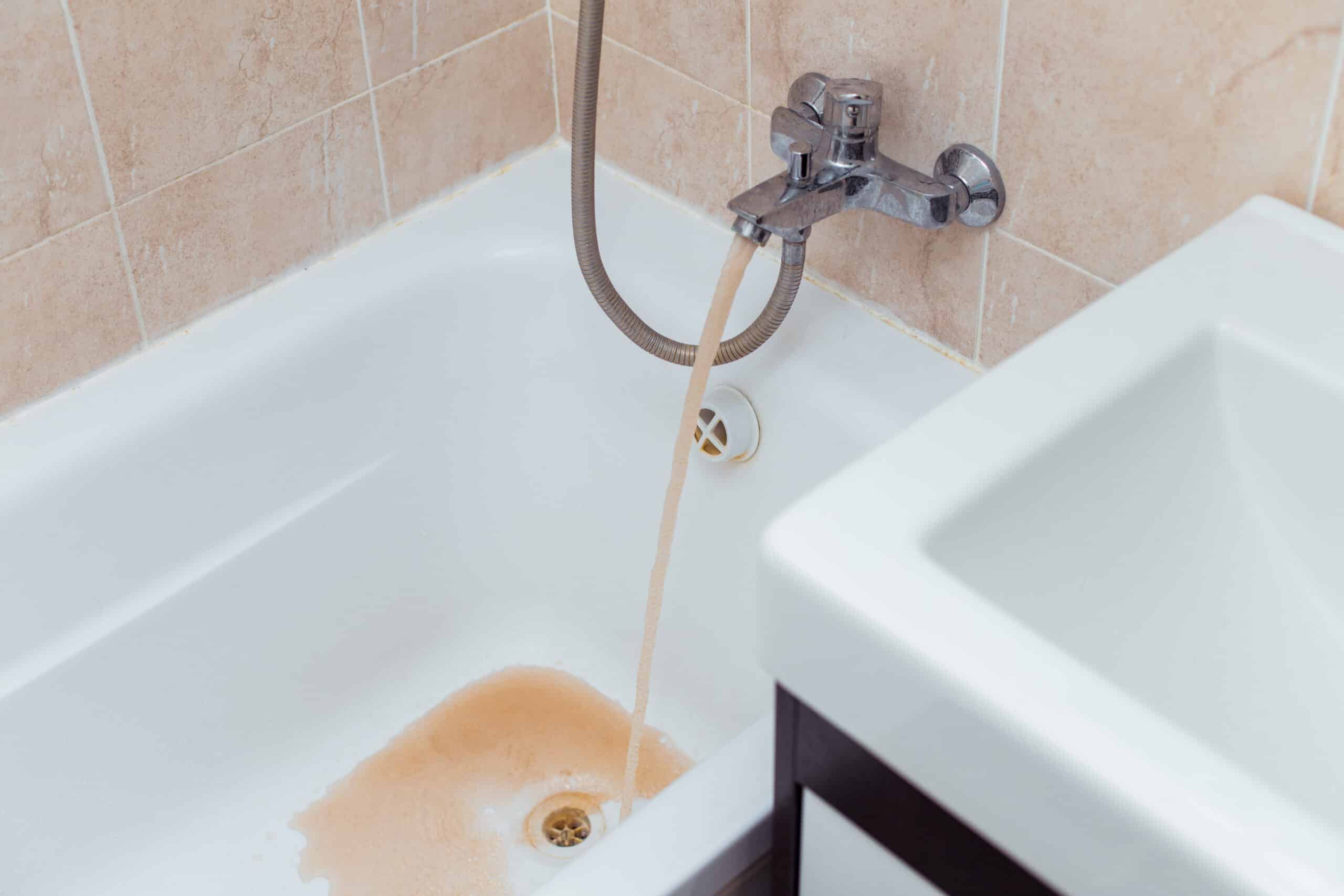
If you notice rusty, cloudy, or brown-colored water coming from your hot water tap, the anode rod in your water heater could be the culprit. Your anode rod is responsible for protecting the inside of the water heater from corrosion. Corrosion can cause dirty water and leaks. If the discoloration is consistent and only affects the hot water, consider having your unit inspected. 

3. Odd Noises

Over time, sediment builds up at the bottom of your water heater tank. When this happens, you may hear rumbling, banging, or popping sounds. This buildup reduces efficiency and puts added stress on the tank, increasing the likelihood of cracks, leaks, overheating, and failure. 

4. Inconsistent or Insufficient Hot Water

If you are running out of hot water faster than usual or if your water isn’t as hot as it used to be, your water heater could be struggling to keep up with the demand. While you can replace the heating element or thermostat, you often need to replace older units entirely if they continue to experience consistent performance issues. 

8 Signs It’s Time to Replace Your Water Heater

5. Water Leaks Around the Unit

Water heaters are designed to be airtight, so if you notice water pooling around your water heater, you could have fractures in the tank and small leaks developing due to years of heating and cooling cycles. Ignoring leaks can lead to significant water damage in your home. 

6. Strange Smell

If your water smells off, you could have bacteria growing in your water heater tank. Bacteria thrive in warm, moist environments, especially if the temperature sits below 120 degrees, and multiply if there is an abundance of corrosion and rust. If you continue to have smelly water, consider investing in a new water heater.

7. Higher Energy Bills

An aging, inefficient water heater with sediment buildup has to work harder to heat water, resulting in higher energy bills. If your utility costs have climbed without explanation, your water heater may be to blame. 

8. Frequent Repairs

If you find yourself constantly calling a plumber to fix your water heater, it may be more cost-effective to replace the unit. Frequent repairs are often a sign that your heater is nearing the end of its life. 

Risks of Using an Old or Malfunctioning Water Heater 

When you prolong the use of a failing water heater, you risk not only no hot water but also:

Mold Growth — A leaking water heater can encourage the growth of mold, which can pose a danger to your health and a risk to the structural integrity of your house. 

Electrical Outages and Shortages — As an electrical water heater ages, the heating elements can start to short-circuit, possibly tripping the breaker and blowing a fuse. 

Blocked Valves — Old water heaters may fail to maintain water pressure due to failing valves. Valves may stop working because of a buildup of sediment and minerals. 

Overheating — An aging or failing water heater will start to overheat because of sediment buildup. The burners have to stay on longer and work harder, causing high temperatures. Overheating is a serious issue and can lead to skin burns or even fire. 

Switch to a Tankless Water Heater

If you’re tired of dealing with inconsistent hot water or water tank issues, consider switching to a tankless unit. This type of water heater heats water directly as it flows through the system, so there is no need for hot water storage. It provides continuous hot water, energy efficiency, a longer lifespan, and a lot of saved space. 

8 Signs It’s Time to Replace Your Water Heater

Your Hot Water Heater Won’t Last Forever

Your water heater works hard behind the scenes to provide hot showers, clean dishes, and fresh laundry. However, like any appliance, it won’t keep working forever. If you notice any concerning behavior or issues, it’s better to replace your water heater before it fails completely. Not sure if it’s time to replace? Contact S&B Plumbing, and we can give you an honest assessment. 

Filed Under: Plumber

Water Meter 101: A Simple Guide for Homeowners

You may not think much about your water meter, but it is an important tool in your home. It measures how much water your household uses, helps detect leaks, and can even alert you to unusually high water usage. Whether you want to conserve water, lower your utility bills, or just understand how things work, here’s a guide to understanding water meters.

What Is a Water Meter?

A water meter is a device that tracks the amount of water flowing into your home from the main water supply. Most homes have their meter located at ground level near the front curb in a covered concrete or plastic box. In colder climates, the meter may be located inside the home in the basement or utility area to prevent freezing. In some cases, a “W” may be marked on the curb to indicate the meter’s location. 

Why Should You Know How to Read It?

Understanding how to read your water meter can help you:

Understand Water Usage — Reading your water meter allows you to understand and track your water consumption patterns and identify areas where you might be overusing water. 

Detect Leaks — Water meters have a low-flow indicator that rotates when water is flowing. If it’s moving when the appliances and faucets are off, you could have a leak somewhere in your plumbing system. Early leak detection can help you save water and money 

Ensure Accurate Billing — Water companies often estimate bills if they cannot access the meter. By reading the meter, you can verify the accuracy of your bill and dispute high water bills with confidence

Conserve Water — Reading your water meter allows you to be mindful of your water, reduce water waste, and make informed decisions about conservation.

How to Read Your Water Meter

Water Meter 101: A Simple Guide for Homeowners

There are two main types of water meters: analog and digital.

Analog Meters — Analog meters have a series of dials or a rotating needle, similar to a car’s odometer. The numbers represent the total gallons or cubic feet used (one cubic foot equals 7.48 gallons). Read the numbers left to right as they appear on the dial. If the pointer is between numbers, use the lower one. 

To check for leaks, turn off all water in your home and see if the small triangle or dial is still moving. If it is, you likely have a leak somewhere on your property. 

Digital Meters — These display your usage on a screen and may have a leak indicator as well. Some smart models even offer app connectivity for real-time monitoring. Read the numbers displayed from left to right.

Both meters will tell you how much water has been used since installation, as well as the current flow rate. 

What Your Water Meter Can Tell You

By checking your meter regularly, you can:

  • Track daily or weekly water use
  • Catch running toilets or dripping faucets
  • Compare your usage before and after repairs or upgrades
  • Set goals for water conservation

Tips for Using Your Water Meter to Save Money

Test for Leaks — Shut off all water sources, ensure no water is being used inside or outside, and see if the leak indicator on your meter still moves. If it does, investigate further or call a plumber. 

If you don’t have a leak indicator, write down the numbers on your meter, wait an hour or two without using water, then take down the next reading. If they are different, you may have a leak.

Check During Off-Hours — If the meter is moving overnight or while you’re away, it’s likely detecting a hidden leak.

Monitor Usage — Track how much water you use over a week, and see where you can cut back. This may involve taking shorter showers, watering your lawns efficiently, turning off the tap more often, and switching to eco-friendly appliances. 

When to Call a Professional

If your water usage suddenly spikes or your meter seems to run nonstop, you may want to have a plumber come out and investigate. You may have a slab leak, an underground pipe issue, or a faulty appliance. 

Water Meter 101: A Simple Guide for Homeowners

Don’t Forget About Your Water Meter

Your home’s water meter does more than put a number on your bill; it provides a valuable tool that you can use to save water, money, and serious plumbing issues. By learning to read it and checking it regularly, you can identify leaks, avoid unexpected spikes in your water bill, and make smarter decisions about water conservation. A little knowledge goes a long way toward responsible homeownership.

Filed Under: Plumber

  • « Previous Page
  • 1
  • …
  • 5
  • 6
  • 7
  • 8
  • 9
  • …
  • 49
  • Next Page »

Address & Hours

Billing Address

691 N. 2075 W. Suite A

Marriott-Slaterville, UT 84404

Utah - (801) 528-4999

sbputah@gmail.com

Plumbing Services:

24/7


Office Hours:

M-TH 8am-5pm

Fri 8am-4pm

Directions

Follow Us

Contact Us

This field is for validation purposes and should be left unchanged.

2026 | S & B Plumbing | All Rights Reserved | Privacy Policy | Terms | XML Sitemap | Sitemap | Site by PDM