

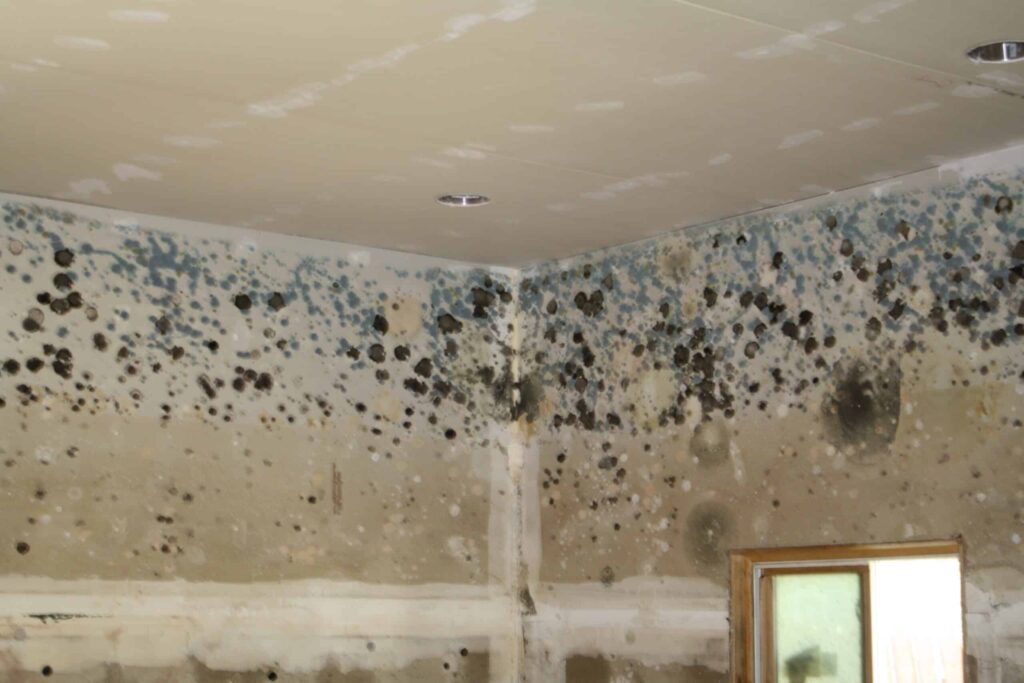
Mold and mildew not only create an unsightly mess but they also damage your home, create unpleasant odors, impact indoor air quality, and even lead to health issues. In most homes, mold grows because of excess moisture from plumbing issues. Fortunately, with proper plumbing care and early intervention, you can largely prevent mold and mildew.
Below, we’ll explain how plumbing problems contribute to mold growth and what homeowners can do to stop it before it starts.
Dangers of Mold and Mildew Growth in Your Home
Fungal growth does more than damage walls and cause foul smells; it also puts your family at risk of health issues, such as:
Allergic Reactions — Sneezing, runny nose, red eyes, and skin rash
Respiratory Issues — Coughing, wheezing, stuffy nose, sore throat, difficulty breathing, asthma attacks, and worsened asthma symptoms
Irritation — Irritation of eyes, skin, nose, throat, and lungs
Neurological Issues — Headaches, fatigue, weakness, difficulty concentrating, memory issues, and balance problems
Gastrointestinal Problems — Nausea, diarrhea, and cramps
People who have mold allergies, asthma, or weakened immune systems, as well as the elderly, are more likely to have severe reactions to mold exposure.
Difference Between Mold and Mildew
Mold and mildew are both fungi, but they have a few key differences:
Mildew
- Flat
- Powdery
- White or gray
- Stays on the surface of materials
- Easier to clean
Mold
- Fuzzy, slimy, or raised
- Dark green, black, or brown
- Penetrates deep into materials
- Often requires professional remediation
Why Plumbing Issues Lead to Mold and Mildew
Mold thrives in damp, dark environments. Even small plumbing problems can create the perfect breeding ground, especially in hidden areas. Common plumbing-related causes include:
- Slow or hidden leaks behind walls or under cabinets
- Dripping faucets or showerheads
- Clogged or poorly draining pipes
- Condensation on cold water pipes
- Appliance leaks from washing machines, dishwashers, or water heaters
Mold and mildew can begin growing in damp areas within 24 to 48 hours. It is often found around tubs, showers, and toilets, under sinks, around floor drains, and in basements or crawl spaces with exposed pipes.
How to Prevent Mold and Mildew
Fix Leaks Promptly

One of the most effective ways to prevent mold is to address leaks as soon as they appear. Even a small drip can lead to significant moisture buildup over time.
What to Do:
- Check under sinks regularly for signs of moisture, such as stains or puddles
- Watch for unexplained increases in your water bills
- Look for peeling paint, warped cabinets, or musty odors
- Schedule professional leak detection if you suspect a hidden issue
Early repairs not only prevent mold but also save money on water damage restoration.
Keep Drains Flowing Properly
Slow or clogged drains can lead to standing water, which increases humidity and mold risk in bathrooms, kitchens, and laundry rooms.
Plumbing Care Tips:
- Avoid pouring grease, fat, food scraps, or hair down drains
- Use drain strainers to catch debris
- Flush drains periodically with hot water
- Have drains professionally cleared if backups occur
Consistent drainage keeps moisture from lingering where mold can grow
Reduce Condensation on Pipes
Cold water pipes can sweat in humid environments, especially during warmer months or in basements and crawl spaces.
Prevention Strategies Include:
- Insulating exposed pipes
- Improving airflow around plumbing areas
- Using a dehumidifier in damp spaces
Reducing condensation helps keep surrounding materials dry and mold-free.
Maintain Plumbing-Connected Appliances
Appliances that use water are common sources of hidden leaks.
Be Sure To:
- Inspect hoses and connections regularly
- Replace worn or cracked supply lines
- Check behind appliances for moisture or mold odors
- Schedule routine plumbing inspections if you have older units
Preventative maintenance can stop small issues from turning into major mold problems.
Schedule Regular Plumbing Inspections
Professional plumbing inspections can expose potential moisture issues before mold has a chance to develop. A licensed plumber can detect hidden leaks, evaluate drainage systems, and recommend improvements to protect your home.
Long-Term Benefits of Preventive Plumbing Maintenance
Proper plumbing care offers more than mold prevention. Homeowners also benefit from:
- Improved air quality
- Fewer emergency plumbing repairs
- Lower water bills
- Longer-lasting plumbing fixtures and appliances
- Peace of mind knowing moisture issues are under control
Dry Plumbing Means a Healthier Home
Preventing mold and mildew starts with proper plumbing care. By fixing leaks quickly, maintaining drains, reducing condensation, and scheduling regular inspections, homeowners can minimize property damage, protect their family’s health, and improve air quality year-round.
If you’re concerned about leaks, moisture, or plumbing performance, contact S&B Plumbing. Early detection can make a huge difference.

